-
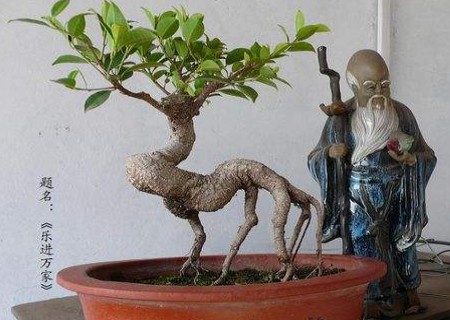
How do you prune exposed roots for bonsai? A detailed guide to the method
We often come across bizarre old trees in wild mountain forests; some are jagged and craggy, some are graceful and elegant, some are ancient and vigorous, and some are majestic and imposing. In short, trees of every type stand in nature with their own postures, becoming part of nature. For ordinary people
-
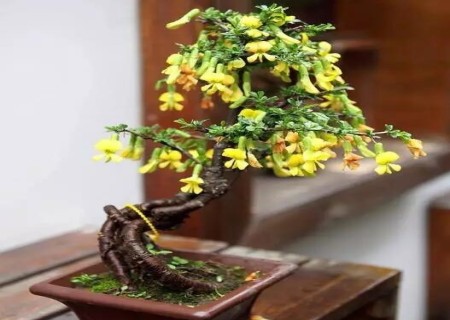
How to Expose the Roots of a Broom (Genista) Bonsai for Styling? A Complete Guide to the Methods
Broom (Genista) is famous for its flowers that bloom in the shape of a bird soaring on outstretched wings, and its bright, striking colors bring vibrant life to any setting. The roots of broom are even more gnarled and powerfully rugged, and they are highly flexible, making them easy to twist into shape, which makes it an excellent species for creating bonsai. So a broom bonsai is not only enjoyed for its flowers
-
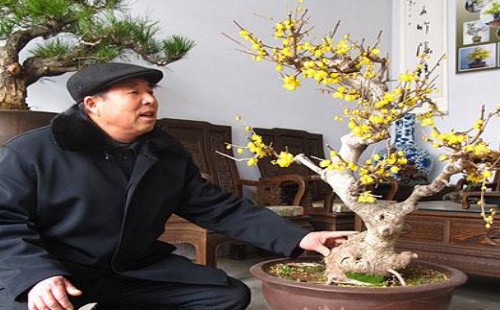
What is the best rootstock for grafting winter jasmine
Winter jasmine is a very important landscaping tree species in our country. Because of its high ornamental value, whether it is used to beautify the urban environment or made into a bonsai, it is very pleasing to look at. And winter jasmine, as a bonsai tree species with a very outstanding ornamental effect, is deeply favored by the vast number of bonsai enthusiasts
-
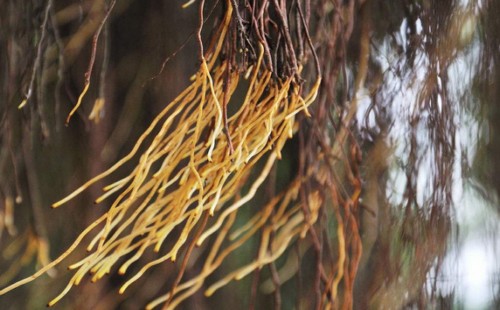
How to grow a bonsai ficus so it develops aerial roots
Ficus trees have the characteristic of growing aerial roots, and these aerial roots hang down from the branches and trunk like a person's beard, making them very distinctive. Some aerial roots are also very long, and can even hang down to the surface of the pot, looking quite unique. On closer observation, the aerial roots growing from the branches and trunk will, as time goes on, develop dangling fibrous roots
-
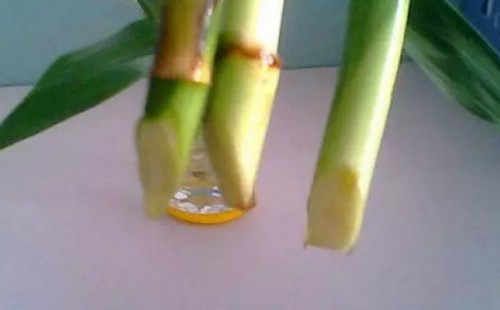
How to trim the roots of lucky bamboo grown in water? Detailed explanation of the correct method
Many people like growing lucky bamboo in water, and compared with lucky bamboo potted in soil, its care and management are simpler and cleaner, and it also has extremely high ornamental value. However, because each gardening enthusiast has a different level of experience in planting and growing, the lucky bamboo grown by each household often has its own characteristics, with varying quality
-
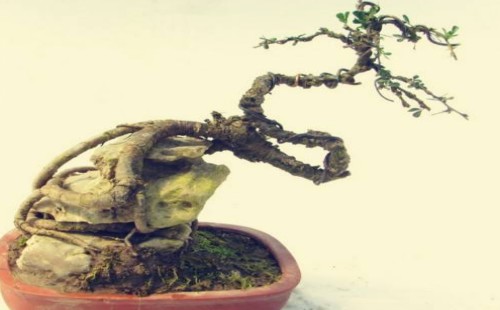
How to coil and expose the roots of a Caragana bonsai? Master the correct method
Coiling the roots is an important means of shaping the roots in the process of making an exposed-root bonsai. First of all, during the potting process, the roots must be properly handled, and soil must not be covered in the traditional way. When potting, you can lift the roots up slightly so that they are exposed above the soil surface. This not only makes shaping easier
-
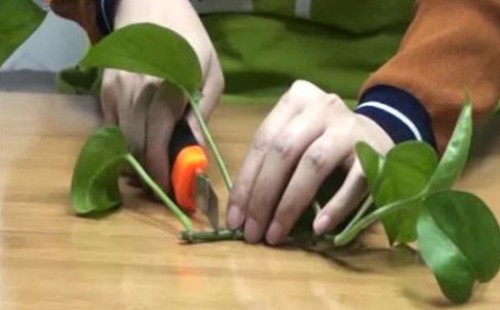
Can You Trim the Roots and Stems of Hydroponic Pothos? A Detailed Guide to the Correct Cutting Method
Pothos grows very quickly, relying mainly on its powerful root system. Even in a hydroponic state, pothos often has a massive root system. As the plant keeps growing, the roots and stems also become more numerous and denser. During normal metabolism, quite a few old roots are bound to form
-
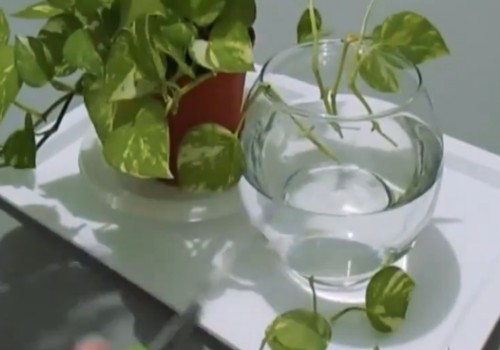
Reasons Why Pothos Cuttings Don't Grow Roots in Water and How to Fix It
Although pothos (Epipremnum aureum) grown in water grows more slowly than in soil, its care and management are relatively simple, and when grown well it also has extremely high ornamental value. Water-cultured pothos is usually grown by cutting a stem section from the mother plant and placing it in water. If we do it improperly, the water-cultured pothos may fail to grow roots.
-

Hsieh Chih-cheng Takes the Helm at Harvest Farm Magazine, Bringing Grassroots Agricultural Knowledge to Light
The Harvest Farm Magazine Foundation held a board meeting on the morning of the 3rd, during which Hsieh Chih-cheng was elected as the new chairman. Hsieh Chih-cheng previously served as a professor in the Department of Bio-Industrial Mechatronics Engineering and retired in 2013. He has also served as CEO of the 921 Earthquake Post-Disaster Reconstruction Foundation, Secretary-General of the Taiwan Professors Association, and a member of the
-
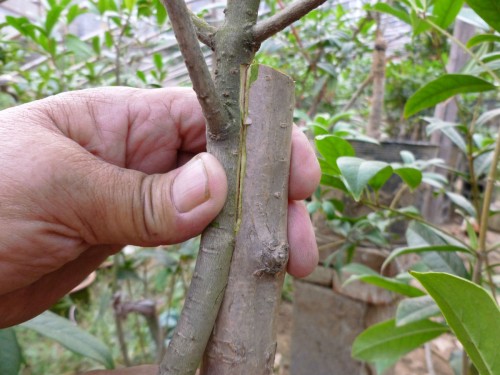
Illustrated Tutorial on the Approach Grafting Method for Stump Bonsai Head Roots
For stump bonsai grafting, the approach grafting method and the cleft grafting method are used. In North China, approach grafting can be carried out from May to August, and the best time is from before the dog days to the third dog days. With outdoor care, success is generally achieved in just over two months. Cleft grafting is carried out in late March when Chinese ash and osmanthus begin to sprout. After grafting, place them in a sunny shed to prevent wind from causing water loss.
条件筛选