-
-
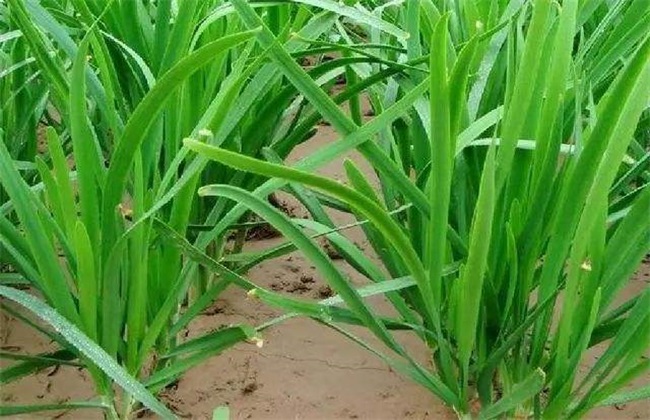
How to grow roots for garlic chives? These few little tips you should know
Little tips for growing roots of garlic chives
-
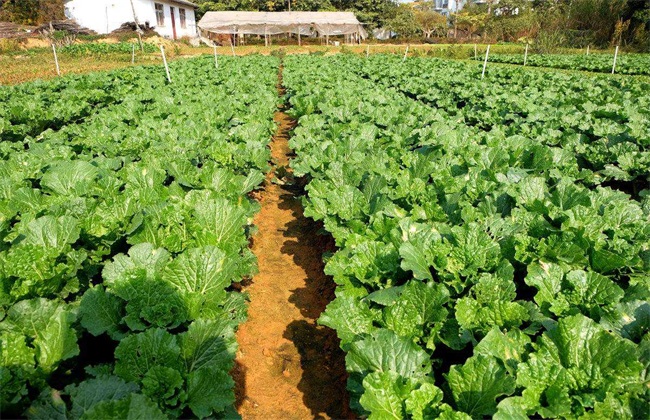
What are the methods for promoting deep roots and increasing yield in vegetables?
How to promote deep roots and increase yield in vegetables
-
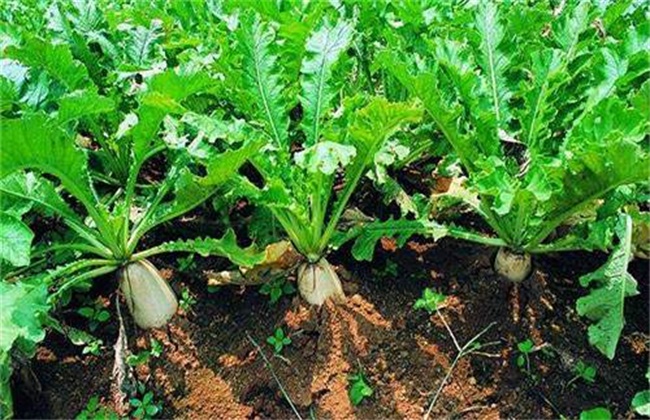
What causes cracked roots in daikon radish? Causes and control methods
Causes of cracked roots in daikon radish and control methods
-

Why does corn have roots but no sprouts? How to prevent it
Causes of and prevention methods for corn having roots but no sprouts
-

How long after opening the bag does enoki mushroom (Flammulina velutipes) produce mushrooms, and management points on whether enoki roots can regrow mushrooms
Water management during the fruiting period of enoki mushroom
-

What causes deformed roots in radishes? How to prevent and control them
Causes of deformed roots in radishes and prevention and control methods
-
Rice management aims to nourish the roots, protect the leaves and promote tillering
Wang Shengxuan, associate researcher at the Grain Crops Research Institute of the Provincial Academy of Agricultural Sciences, believes that every year when the rainy season arrives, regional heavy rainfall occurs in the rice-growing areas in both the north and south of the province, and waterlogging causes disasters in some areas, especially for rice planted in lower-lying paddy fields, where some rice seedlings are submerged to the top. After being flooded, the rice root system and leaves are severely damaged, the plant's normal physiological metabolism and stress resistance are severely weakened, and the total number of stems and tiller seedlings drops sharply. If flooded paddy fields do not receive timely and effective management, it will inevitably cause a large reduction in yield, or even a total loss. Therefore, scientific remedial measures must be taken promptly for flooded paddy fields
-
How are potato roots distributed? Understand it in one article
The roots of potatoes grown from tubers are fibrous roots, with no taproot; potatoes grown from seed have a primary root and lateral roots, and here we mainly discuss the fibrous root system. Potatoes are a shallow-rooted crop, with most of the root system distributed within 40 cm below the soil surface, generally not exceeding 70 cm, and in sandy soil the roots can reach more than 1 m deep. The root system of early-maturing varieties is generally less developed than that of late-maturing varieties, and early-maturing varieties have a shallower root distribution, while late-maturing varieties have a wide and deep distribution.
-
Detailed Explanation of the Growth, Development and Functions of Rice Roots
After the seeds are pre-germinated, they sprout and grow roots. At first, only one root grows, called the seminal root (primary root), which develops from the radicle of the seed. The fibrous roots that later grow from the root primordia at the stem nodes are called adventitious roots. The coleoptile node and the incomplete leaf node produce about 5 roots, the first, second and third leaf nodes produce about 10 roots each, and the nodes above the fourth leaf position produce about 10 to 20 roots each. This is because the leaves increase in size in sequence from bottom to top, so the nutrients supplied for root growth increase in sequence, and the number of roots produced also increases. The nodes of the aboveground part generally do not produce roots. The nutrients produced by the leaves are
条件筛选