Put a little of this in the clivia pot: it keeps the soil loose and airy, nourishes the roots, and stops the flower stalk from getting stuck.
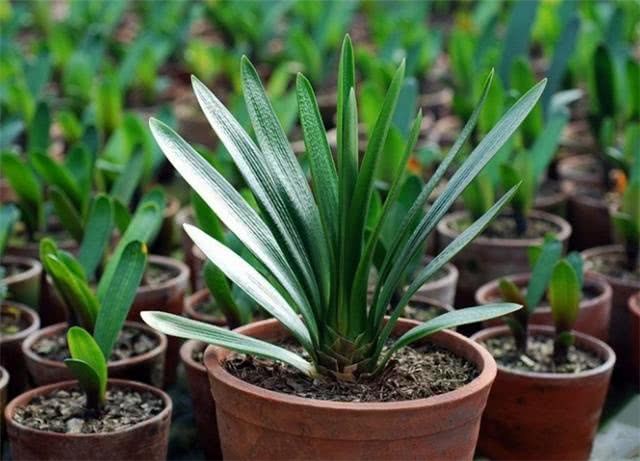
Many flower lovers know that clivia is not easy to grow. Although it is very beautiful, clivia, as a flowering plant, blooms brightly and elegantly and looks noble in the living room, but caring for it is very complicated, and yellow leaves, root rot, stuck flower stalks and the like appear at the slightest provocation. Flower lovers must master the correct care techniques to get clivia to bloom.
Clivia care techniques
As the saying goes, to grow flowers you must first grow roots. Clivia has a well-developed root system, and as long as the roots are grown well, it will naturally grow nicely. Growing roots requires fertile, airy soil, and you also need to add some "pine needles" to the clivia pot soil. Pine needles are the oxidized black pine needles on leaf mold soil (rotted pine needles).
The benefits of pine needles
Pine needles (rotted pine needles) are themselves rich in humus, light in weight, and have good permeability, and their water-seeping effect is also strong. They can keep clivia warm and moist, and also repel insects. Moreover, the branches and leaves of pine needles can control the water and space in the pot, which helps clivia grow and breathe and avoids oxygen deprivation.
Most flowers can be grown with pine needles placed in the pot. When mixing nutrient soil, you can add some pine needles, which can provide aeration and keep things warm and moist. When winter comes, the effect of pine needles shows itself. Flower lovers must learn the technique of growing flowers with pine needles.
That is all for sharing the knowledge about growing clivia with pine needles. Flower lovers should master the correct care methods in daily life. Besides paying attention to watering and fertilizing, you should also pay attention to the loose, airy quality of the pot soil and use pine needles to grow the roots. This way the flowers can bloom even more beautifully!