-

Detailed Explanation of the Key Cultivation Techniques for Fast-Growing Kudzu Root
Kudzu is a leguminous vine plant, and every part of it is valuable, with extremely high economic value. Among them, kudzu powder is a specialty health food that combines nutrition, dietary therapy, and deliciousness, and through deep processing it can also be made into more than a dozen kinds of exquisite foods; kudzu leaves are rich in plant protein and belong to complete feed; kudzu flowers are a precious medicinal material and a good remedy for sobering up. Kudzu has a short growth cycle...
-
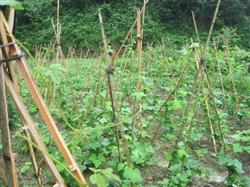
How is artificial trellising carried out in kudzu root cultivation?
Artificial trellis cultivation of kudzu root is suitable for wasteland, farmland, in front of and behind houses, vegetable gardens and other low-lying land. (1) Select good varieties. Give priority to stabilized high-yield kudzu root, with local folk-cultivated varieties as a supplement; absolutely do not cut corners by planting wild kudzu or local varieties with coarse fiber. (2) Plastic film seedling raising 1. Preparation of nutrient seedling beds: choose...
-
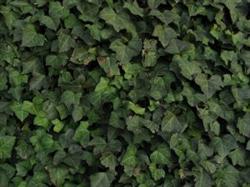
Detailed Explanation of Main Diseases of Kudzu Root and Their Control Methods
The dried root of the leguminous plant wild kudzu (Pueraria lobata (Willd.) Ohwi), also known as sweet kudzu, dried kudzu, and powder kudzu. Nature neutral, taste sweet and pungent. It has effects such as relieving muscles and reducing fever, promoting fluid production and quenching thirst, and promoting eruption of rashes. It mainly treats symptoms such as cold and fever, incomplete rash eruption, gastroenteritis, and high blood pressure. Its flowers are neutral in nature and sweet in taste, and have the effect of sobering up and stopping...
-
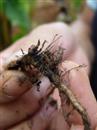
Detailed Guide to Identifying Symptoms of Banana Root Nematode Disease and Control Methods
What is banana root nematode disease and how is it controlled? Please provide an introduction. The introduction to banana root nematode disease and control methods is as follows: (1) Symptoms. Root nematodes infect the roots of banana. Affected large roots appear short and swollen, with cracking, and galls sometimes form on small roots. Sometimes they are destroyed before developing into large roots; when swollen, cutting the tissue open reveals brown dotted substances. Because of nematode damage, the roots become infected by pathogenic bacteria, causing root rot and leaving few effective roots. Above ground, the main symptoms are stunted plants, yellow leaves or clustered leaves, loose bunches, loss of green at leaf margins, many dead leaves, and wavy, crinkled leaves. In plants that have emerged from the bud, old leaves look scorched, withering from the leaf margin to the midrib. In severe cases, the fruit bunch cannot bend down normally, and the fruit is thin, small, shriveled and hard; sometimes the symptoms resemble bunchy top disease, except that the petiole has no "green veins".
-

What to Do About Root Rot and Bud Drop in Peonies? A Detailed Guide to Prevention and Treatment
Peony gray mold is one of the most important diseases of peonies worldwide, and it also occurs from time to time in China, being relatively severe in places such as Shanghai and Zhengzhou. The disease can occur throughout the peony growing season and is seriously harmful to young, tender plants, causing seedlings to lodge and wilt. This is a fungal disease that visibly affects peony leaves, stems, flowers and more...
-
This orchid treasure that comes only once in ten years: grow jade roots and boost the rich fragrance, not for sale even at a thousand yuan
Old Li loves growing orchids. Ever since he started growing orchids, his home has basically turned into a "toll station." He has peeled tree bark, dug up mountain soil, and gone to the pond to scoop out pond mud. His wife at home also likes to say a few words to him, but every time the orchids bloom...
-
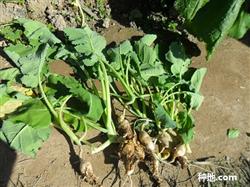
Control Methods and Technical Key Points for Clubroot of Rapeseed
How to control clubroot of rapeseed? Please explain. Clubroot of rapeseed occurs on the roots. The pathogen generally invades through root hairs or young roots, forming galls on the main root or lateral roots. It is commonly known as "big head disease." In the early stage, the surface is smooth and white; later it turns brown, rough and cracked. It is easily infected by other pathogens and rots...
-

Correct watering method for the money tree (Pachira aquatica): should you water at the roots?
You can water the money tree at the roots, but there must be no standing water in the potting soil. Watering at the roots should not be too frequent; once a week is enough. When humidity is low, you can mist appropriately to increase humidity. In addition, in summer, avoid watering at noon; do it in the morning or evening. In winter, when temperatures are low, water at noon to avoid damaging the roots.
-
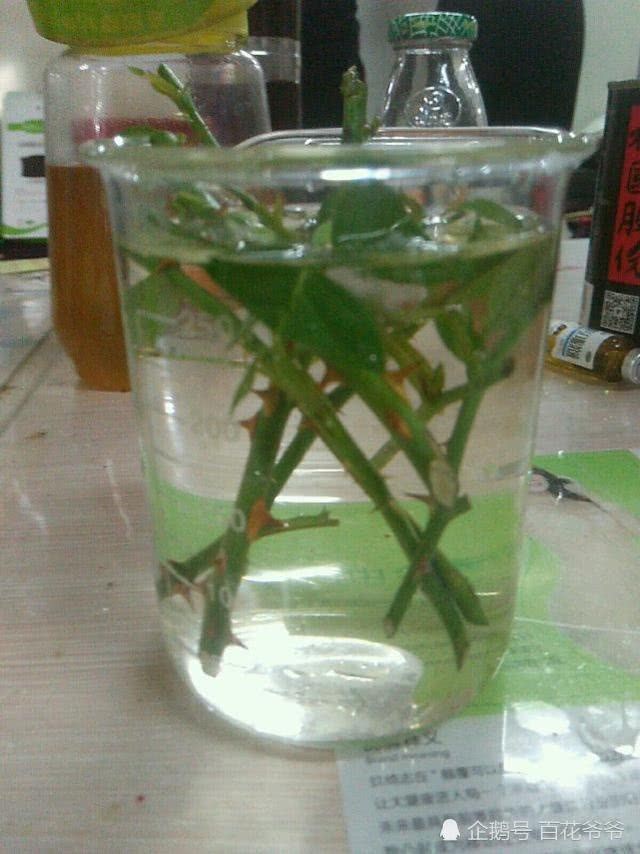
Do rose cuttings this way: every cutting you stick will live, and in 2 weeks they grow big white roots
Recently, some flower friends left comments saying that their own rose cuttings looked like they were sprouting new shoots, but a few days later the stems turned black and died. What is going on? Exactly how should roses be propagated by cuttings so the survival rate is high? Bai Xiaomei'er has also tried many kinds of rose...
-
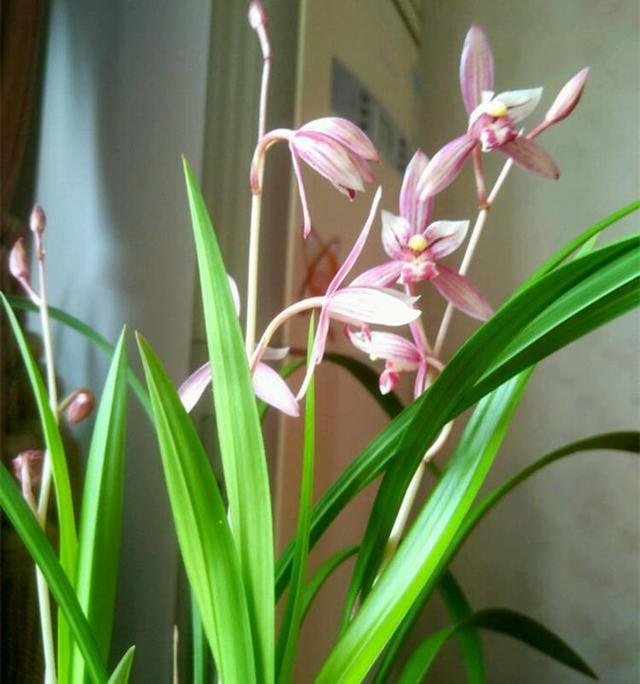
Potted orchids need both roots and leaves well fed to bloom profusely
We have talked a lot before about the issue of watering orchids, and flower lovers all know that watering orchids has a bearing on whether orchids grow well or poorly. However, many flower lovers probably do not understand that when watering orchids, both the roots and the leaves need to be watered; only when the roots and leaves of the orchid are "well fed"...
条件筛选