-
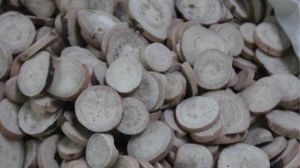
Is peony the same as white peony root? A detailed explanation of their relationship and differences
Peony and white peony root are different. Specifically, peony is divided into white peony root and red peony root. Generally speaking, what we call white peony root is just one type of peony, so it cannot be said that peony is white peony root. In simple terms, the broad concept of peony includes the narrower concept of white peony root, but it cannot be said that peony is white peony root, as that would be an overgeneralization.
-

Can the original soil still be used after pothos root rot?
Soil from pothos with root rot can still be used, but it is not recommended. If you want to use it, you need to spread it out flat in the sun to bake for a few days, or put it in a microwave to heat it, killing all the microorganisms in the soil, before it can continue to be used for growing flowers.
-
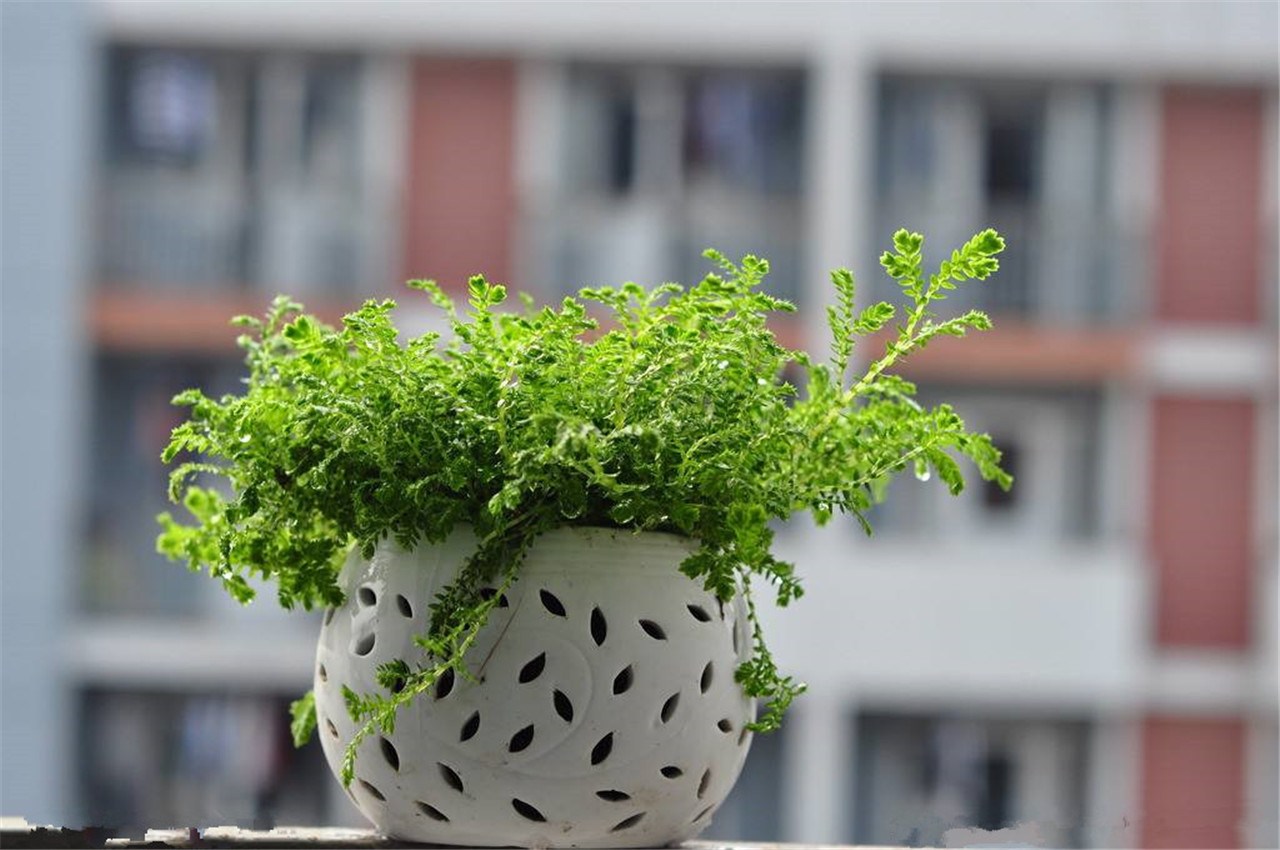
Take cuttings of these 2 flowers in summer: they root fast, grow well, and are not prone to yellow leaves or root rot
Just take cuttings of these 2 flowers in summer: they root quickly and grow well, with no need to worry about yellow leaves or root rot! In the hot summer, many friends want their homes to be full of life, yet when choosing potted plants they worry they will not be able to...
-
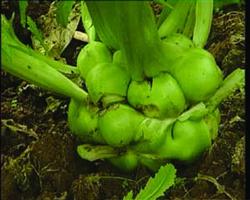
How should root mustard be fertilized when growing it?
How should root mustard be fertilized? Please give an introduction to the methods. Root mustard fertilization can refer to the following methods: 1. Application of base fertilizer. Root mustard likes soil rich in organic matter, so before land preparation, a sufficient amount of organic fertilizer must be applied. Generally, farmyard manure or composted urban waste can be used, then wood ash and super...
-

How to grow root mustard? Detailed planting methods and techniques
How to grow root mustard? What should you pay attention to? Please guide. Root mustard cultivation and management can refer to the following methods: (1) Cultivation season. Root mustard is sown in autumn regardless of north or south. In regions where autumn temperatures drop rapidly and winters are severely cold, autumn sowing is earlier; in regions where temperatures drop slowly and winters are not very cold, autumn sowing is later. From North China...
-

After rose cuttings take root, care for them like this and the young plants will easily fill the pot
Everyone must be very familiar with roses. When they bloom, each flower is big and very beautiful. When taking rose cuttings, you need soil suitable for their growth. Newly rooted rose seedlings need good care to better...
-
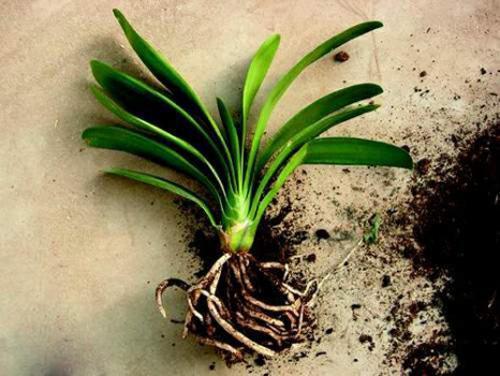
When repotting flowers, avoid 3 wrong practices, otherwise the flowers will rot at the roots and yellow leaves quickly
Some flowering plants have roots that grow very fast, and within a few months they need to be repotted, otherwise the breathing and growth of the roots will be affected. When it comes to repotting and changing soil, this is actually a field of knowledge, and the finer points involved are no fewer than those of growing flowers. Some...
-
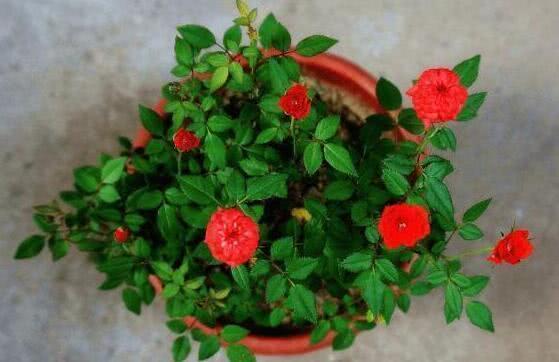
It is a natural growth agent, even more powerful than aspirin, and it makes sprouting and rooting super fast.
As people's living standards improve, more and more people have fallen in love with growing flowers, and as the ranks of flower growers swell, more and more little gardening tips and tricks keep emerging, many of them giving household waste a second life, such as rice washing...
-
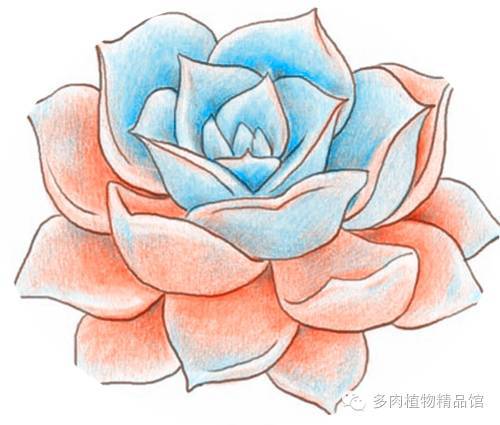
Identifying and Managing Succulent Dormancy to Effectively Prevent Root Rot
Main text with images: Internet Succulents, in their places of origin, have developed a physiological habit of an annual fixed dormancy or semi-dormancy period in almost every variety to adapt to the environment. Because varieties differ, their dormancy periods are sometimes in summer, ...
-

Learn root trimming from the experts: do you really understand the claim that skipping it means certain death?
When it comes to succulent roots, the most common points are probably three: washing the roots, trimming the roots, and drying the roots! Washing the roots is to wash away pathogens, insect eggs and other things harmful to succulent health. Trimming the roots is to remove old roots and dead roots so that new roots can grow faster and healthier...
条件筛选