-
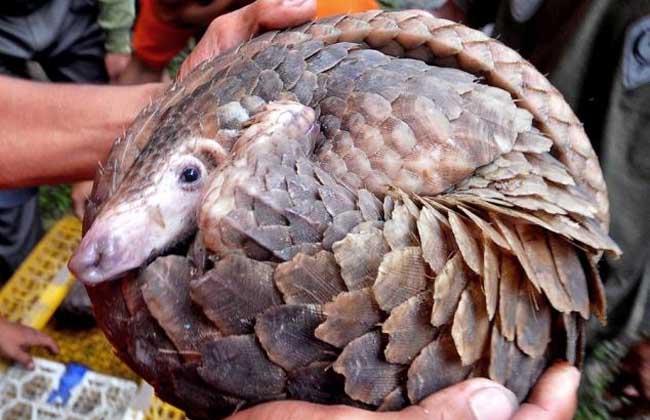
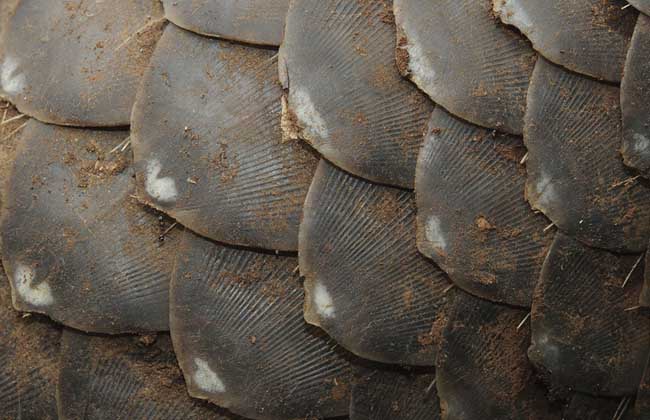
Pangolin: Benefits and Uses, Scale Prices and Breeding Techniques Explained
Pangolin Benefits and Uses_ Pangolin Scale Prices_ Pangolin Breeding Techniques
-
-
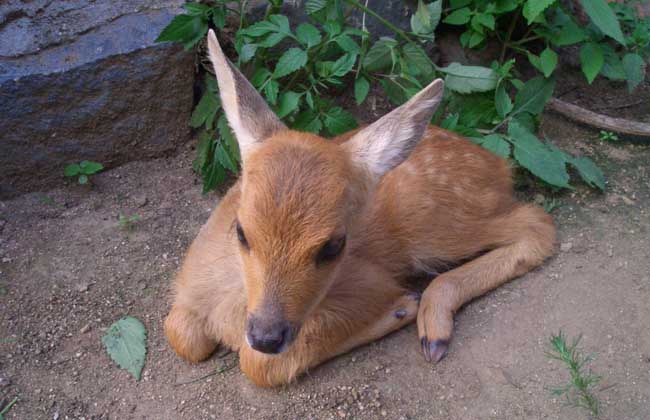
Roe Deer Farming Techniques and Market Prices Explained
Roe Deer Farming Techniques_Roe Deer Market Prices
-
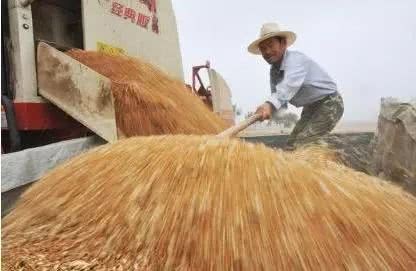
Wheat prices are stabilizing, with further gains likely later on; farmers with stored grain may want to wait a while longer
You are surely aware of how wheat prices kept climbing through June. Now, in mid-July, although the price increase is not as large as last month's, the market is running steadily. And given this year's wheat market situation...
-
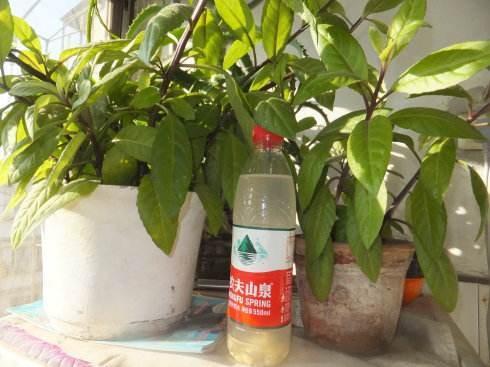
Why do some people no longer use rice water for their plants? I only found out after asking an expert, and I regretted not knowing sooner
As more and more people take up gardening, all kinds of little gardening tips have multiplied too. For example, the fairly common practice of watering plants with rice water, or with beer diluted in water, and so on. It is true that some of these little tricks are very good for the growth of potted flowers. But that is on the premise...
-
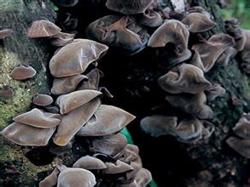
Detailed Explanation of Purple Wood Ear Cultivation Technology on Rice Straw and Sand Beds
Fungus mites, commonly known as "fungus lice," belong to the phylum Arthropoda, class Arachnida, order Acari. They are the most harmful fungal pest in the spawn production and cultivation of edible fungi, and they are also harmful to people. Their harm occurs in three aspects: first, fungus mites directly feed on mycelium, causing failure to grow after inoculation or the appearance of "mycelium regression" after growth, leading to culture...
-
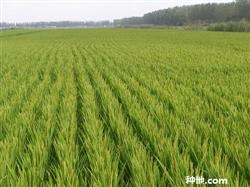
How to cultivate rice well? Detailed explanation of key planting techniques
How to cultivate rice well? If you want to grow rice well, you can refer to the following methods: 1. Field plot selection. Choose a blank field with smooth drainage and irrigation and no water leakage. 2. Timely and even sowing. The sowing period is late April. For hybrid rice, sow 1 kg per mu. Sow when 80% of the seeds have broken their hulls and turned white. Divide into sections and weigh before even sowing. After sowing, press the seeds into the soil so that no grains are exposed, to help increase the emergence rate. At the three-to-four-leaf stage of the seedlings, do a good job of thinning dense areas and filling sparse areas.
-
What causes yellowing leaves in rice?
Why do rice leaves turn yellow? Please explain. Yellowing of rice leaves is a common phenomenon, and its symptoms mainly fall into the following situations, which should be carefully identified and treated accordingly. 1. Toxic yellowing ① Hydrogen sulfide poisoning. The root system turns black and has a rotten egg smell, with few and thin white roots; the old leaves at the base appear yellow...
-
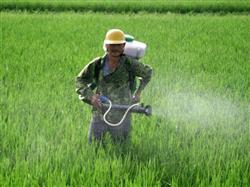
What precautions should be taken for foliar fertilization of rice?
What should be noted in foliar fertilization of rice? Please advise. Foliar fertilization has the advantages of low dosage, strong targeting, fast absorption, obvious effect and low cost. At present, rice is in its vegetative growth stage. How can the rapid growth of rice roots, stems, leaves and tillers be promoted? The author reminds farmers that when carrying out foliar fertilization on rice, they should...
-
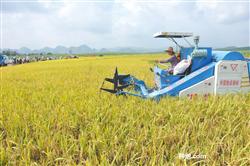
What precautions should be taken when soaking rice seeds in chemical agents?
What should be noted before and after rice harvest? Please note the following four points before and after rice harvest. 1. Drain early. Drain the water in the paddy field as much as possible, and if necessary, dig ditches to drain the water from low-lying areas early and dry the field. 2. Harvest at proper maturity. For manual harvesting, harvest when more than 95% of the rice husks in the field have turned yellow...
条件筛选