-
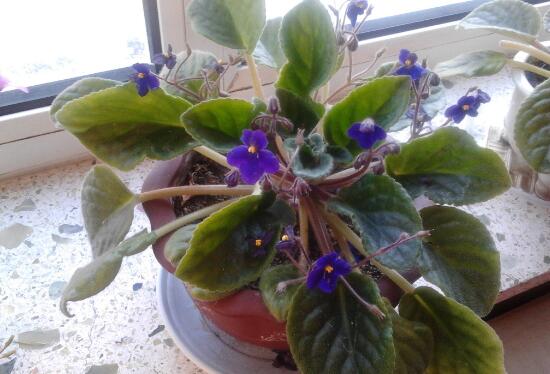
How do you water an African violet? Water once every 3-7 days
When growing African violets indoors, watering is the thing gardeners love to do most. If you're an old hand, that's fine - you'll water in real time according to the plant's growth state; but if you're a beginner, it's not so easy. How often to water an African violet and how much water to give are things you have no concept of at all. So how do you water an African violet?
-
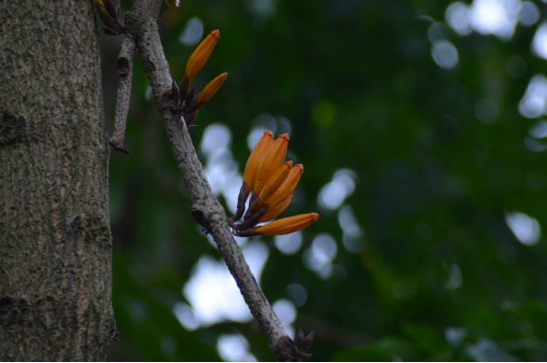
Cultivation methods and precautions for the African tulip tree
I. Soil The African tulip tree prefers fertile soil with a deep soil layer, ideally neutral or slightly acidic soil with good drainage. Although the African tulip tree is native to the tropics and has strong tolerance to poor soil, we still need to apply a certain amount of base fertilizer when planting it. II. Light and temperature The African tulip tree likes light
-
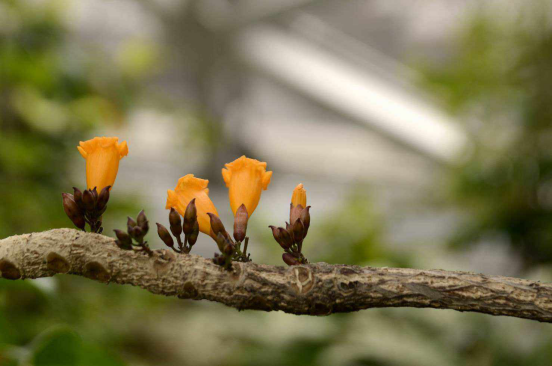
How to grow Spathodea campanulata (African tulip tree)? Detailed guide to care precautions
I. Common diseases Damping-off is the most important disease of Spathodea campanulata (African tulip tree), occurring mainly during the rainy spring season and causing severe damage. Both mature Spathodea campanulata trees and seedlings are affected by this disease. The main symptom is the appearance of dark brown lesions on the affected parts.
-
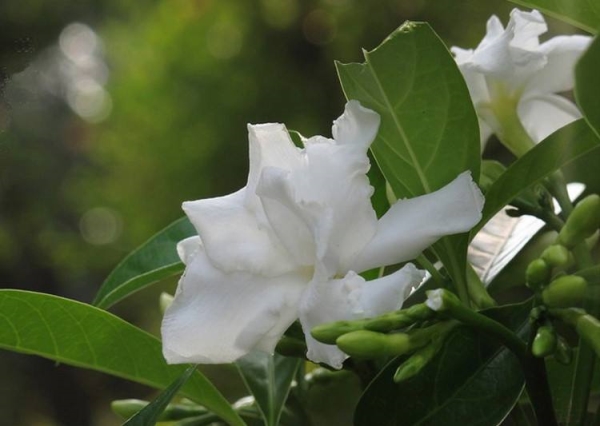
How to grow Tabernaemontana divaricata? A detailed guide to care precautions
Tabernaemontana divaricata has a fairly high demand for nutrients, so we need to fertilize in time before it blooms; it is best to alternate compound fertilizer and nitrogen fertilizer, which helps it bloom more vigorously and increases the number of flowers
-
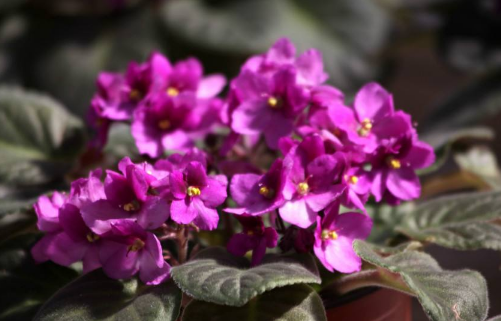
A Detailed Guide to Growing African Violets from Seed
Sowing time: either spring or autumn works; for greenhouse cultivation, autumn sowing in September to October gives a higher germination rate. Soil: African violet seeds are very small, so the potting soil for sowing must also be fine; after sowing, do not cover with soil, just press flat. Temperature: the optimal growing temperature for African violets is about 18-26°C
-
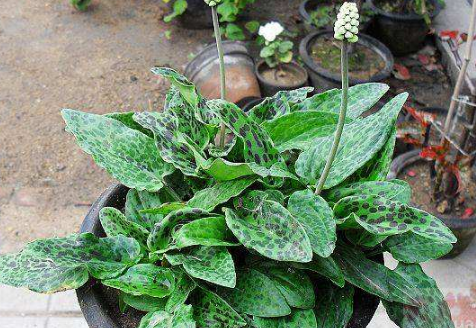
How to Grow and Care for the African False Hosta (Ledebouria kirkii)
1. Light The African False Hosta loves light, and its growth is closely tied to how much light it receives. Plants grown in ample light stay adorably compact and short, while a lack of light makes them leggy and hurts their ornamental value. If you notice new leaves coming in wider and larger than the old ones, with paler color, that is a sign the plant needs a lot more light.
-
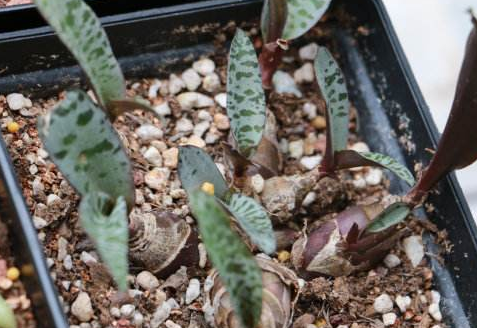
What are the propagation methods for the African false hosta (Ledebouria petiolata)?
Division For African false hosta (Ledebouria petiolata), division can be done at any time except winter; usually the plant is separated at the bulb, the old and withered leaves are trimmed off, and the divisions are planted elsewhere. Sowing African false hosta (Ledebouria petiolata) can be done in spring, summer and autumn; generally a soft brush is used to help with pollination, and once the seeds are ripe they are harvested and grown in a seedbed, with a moderate amount of thin fertilizer applied during the growing period.
-

American Black Grape Cultivation Methods and Key Technical Points
How do you grow American Black Grapes? If you are looking for methods, the following methods can be referenced for growing American Black Grapes: Core tip: For orchard establishment and planting, a wind-sheltered, sunny slope is best, and the soil should be sandy loam or loam with strong fertilizer and water retention capacity. Before planting, dig planting trenches 100 cm deep and 80 cm wide. At the bottom of the trench, apply 4000-5000 kg of farmyard manure per 667 sq m. Select layered cuttings or stem cuttings from the previous year as seedlings, requiring many fibrous roots, robust vines, and plump buds. Before planting, soak the seedlings in clean water for 1-2 days so they absorb enough water. Then the roots
-

Is American pokeweed toxic? A detailed explanation of its toxicity hazards and precautions
Is American pokeweed toxic?
-

Cultivation Management and Pest and Disease Control Techniques for the African Tulip Tree
The African tulip tree is an exceptionally beautiful plant, and many places want to introduce it for ornamental landscaping applications. Today, the editors at Huinong Network bring you the propagation and pest and disease control cultivation techniques for the African tulip tree.
条件筛选