-
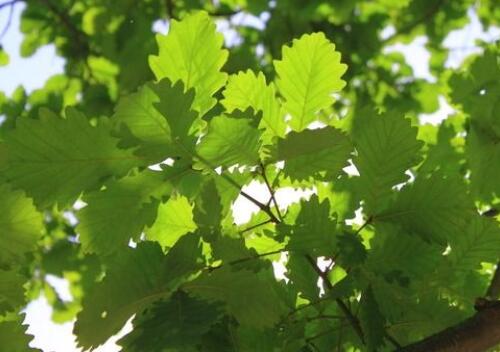
Can You Eat the Acorns of the Oak, America's National Tree? Appearance, Planting Methods and Fruiting Time
Oak, also known as the oak tree, the Mongolian oak, or the sharp-toothed white oak, is a general term for plants in the Fagaceae family, the largest flowering plant in the world, with some living up to 400 years old, and is the national tree of the United States. So what does an oak look like? When is it planted, and when does it fruit? Can its fruit be eaten? How is it grown? From Fagaceae reference materials we learn
-
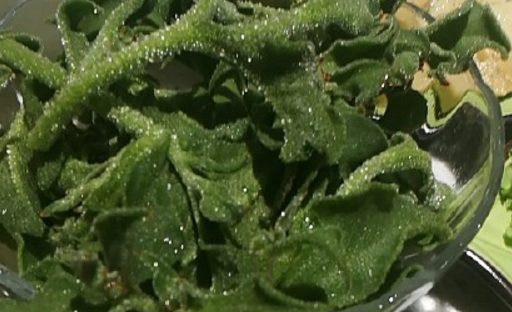
How to Grow Salt-Tolerant African Ice Plant: Care Tips, Seed-Sowing Methods and Value
African ice plant, also known as ice vegetable or crystalline ice plant (Mesembryanthemum crystallinum), so what are the growing methods and care tips for African ice plant? How do you sow the seeds? What value does it have? According to available information, African ice plant is a salt-tolerant plant, and the cells of the plant contain salt, so it has a slightly salty taste when eaten.
-

The King of Herbs: American Ginseng (Xiyangshen) Soaked in Water - Benefits, Dosage, and Long-Term Use
American ginseng, also known as Huaqishen, is regarded as the king of herbs. The best growing areas in China are in Huairou, Beijing, and the Changbai Mountains. So what are the benefits of drinking American ginseng soaked in water? How many slices is most appropriate? Can it be drunk long-term? What diseases can it treat? What are the benefits of drinking American ginseng soaked in water
-
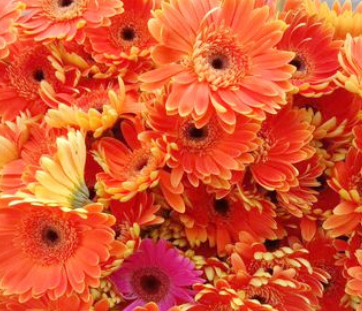
What are the cultivation methods for Gerbera (African daisy)?
When people hear "Gerbera," they may feel a bit unfamiliar, but in fact the Gerbera is a common flower for us, and it also has several other names such as African daisy. It comes in many colors and is bright and eye-catching, and is often used in home decor. Below, the editor will introduce the cultivation methods for Gerbera: Gerbera introduction, Gerbera, Asteraceae
-
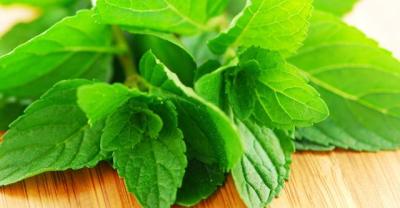
How to grow cineraria (Pericallis × hybrida) so it thrives
Other names for cineraria: cucumber flower, ganrilian, cineraria lotus. Place of origin: the Canary Islands, Spain. Cineraria flowers vary greatly in form and can be divided into large-flowered, star, intermediate and double types...
-
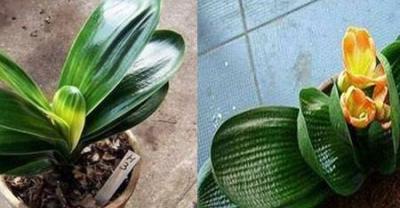
How to grow African violets? Teach you to grow the indoor flowering queen well
The original name of the African violet is also called African violet, it is a perennial herbaceous plant, native to the South Africa region. Because the African violet plant is small and exquisite, ...
-
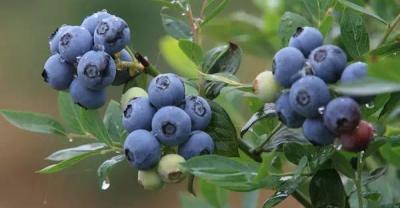
The crystal-clear cultivation and care methods for Haworthia cooperi var. truncata, native to South Africa
In today's era of succulent popularity, one succulent flower has become the target pursued by many gardening enthusiasts, and that is Haworthia cooperi var. truncata. Haworthia cooperi var. truncata is native to South Africa...
-

How to Grow Cherries? 9 Tips from American Farmers
1. Not all places are suitable for growing cherries, so if American farmers want to grow cherries, they will check the conditions suitable for growing cherries. 2. American farmers...
-
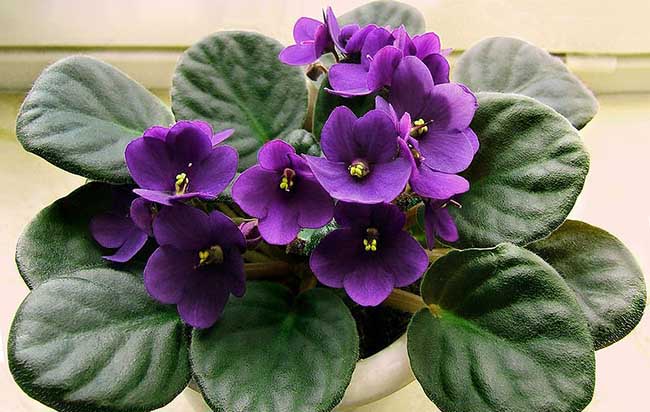
What are the cultivation methods and propagation methods for African violets?
African violet morphological characteristics: the whole plant is hairy; the leaves are clustered at the base, slightly succulent, with round or ovate blades, purple on the underside, and long petioles. Flowers are borne 1 to 6 together in long-stalked dichasial cymes; the flowers have a short tube, a 2-lipped corolla, unequal lobes, and diverse colors, including white, purple, light purple, or pink
-
High-yield soybean Kaidou No. 4 improved from an American variety
Kaidou No. 4 is a high-yield, high-quality new soybean variety developed by Kaifeng Zhengda Company of Henan Province, with the support of the State Administration of Foreign Experts Affairs, from advanced-generation lines introduced from the United States, through irradiation treatment and systematic selection. Determinate podding habit. Plant height 75 cm. 6-8 branches per plant. Leaves ovate. White flowers. Seeds yellow, brown hilum, oval. 100-seed weight 15.6 g. Contains 42.1% crude protein and 2.03% fat. Medium maturity, summer-sown growth period 110 days. Outstanding features include dense podding; high yield, 200-400 pods per plant, generally 250
条件筛选