-
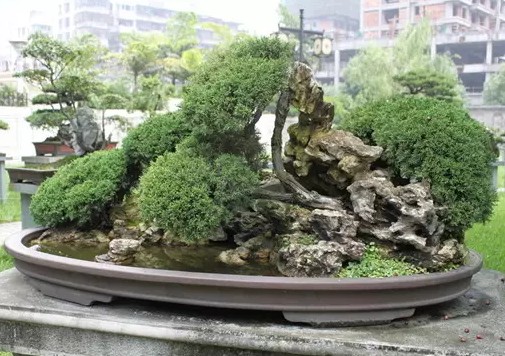
How to choose a pot and repot a creeping juniper bonsai? A detailed guide to the method
The creeping juniper (Juniperus procumbens) has emerald-green foliage, winding and creeping, and is worth viewing in all four seasons. The ornamental effect is at its best in spring when tender green new branches and leaves emerge. During the growing season, it should not be kept indoors for long periods. The creeping juniper is easy to shape and can be made into a horizontally spreading symmetrical bonsai, placed in a courtyard or reception room for appreciation
-
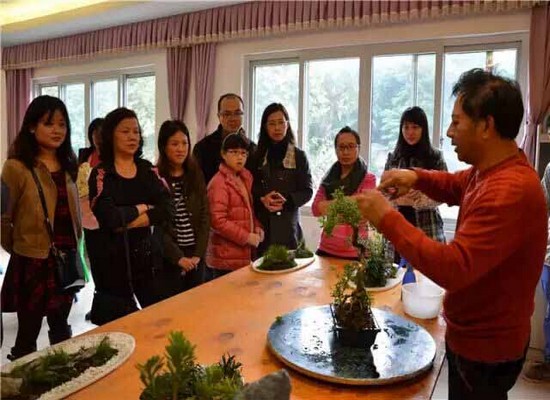
Detailed Explanation of Repotting, Potting and Making Steps for Small Bonsai
Instructor introduction: Chen Wanjun, Lingnan bonsai artist, president of the Jianghai District Flowers and Trees Bonsai Association
-
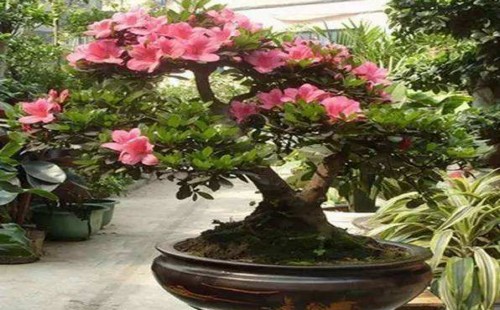
Detailed Guide to Repotting Methods and Steps for Satsuki Azalea Bonsai
Satsuki azaleas have diverse flower forms and rich colors. Especially during the flowering period, the flowers basically become the star of the bonsai, naturally making them the greatest ornamental highlight. However, Satsuki azalea bonsai also needs to be repotted regularly. Especially when it has grown in the original pot for too long, the soil becomes compacted, which reduces the efficiency of watering and fertilizing, resulting in a lack of nutrients in the pot.
-
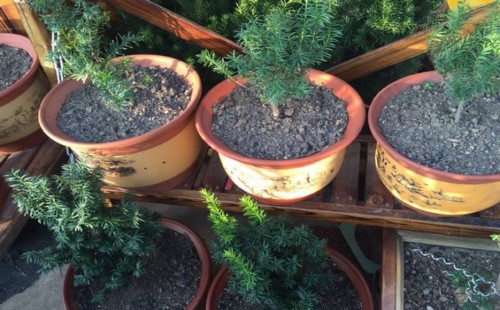
How to properly repot a yew (Taxus) after root rot
The yew bonsai is elegant and beautiful, very pleasing to look at, but daily care and management must be done well, otherwise it may adversely affect growth and thus reduce its ornamental value. One of the more common problems is root rot, and the causes of root rot are often varied, generally due to improper water and fertilizer management
-
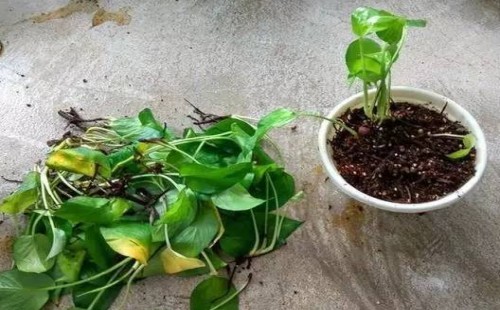
Will a Pothos Die After Wilting Following Repotting? Causes and Remedies
Pothos is one of the most popular green plants for household pots. Although it is relatively easy to grow, it still needs our care, since only with effort comes reward. Especially after growing it for 1-2 years, it needs to be repotted in time, because Pothos has strong root sprouting ability. Under suitable growing conditions
-
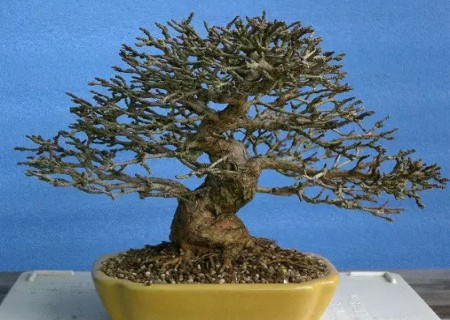
Illustrated guide to bonsai repotting methods, easy to learn with detailed steps
Everyone knows that the growing space for bonsai plants in a pot is limited after all. If they are not repotted for a long time, it may cause many growth problems, such as roots being unable to continue extending and showing signs of aging, the potting soil being unable to provide more nutrients, and pests and diseases invading the soil. Therefore, we need to repot them at the right time.
-
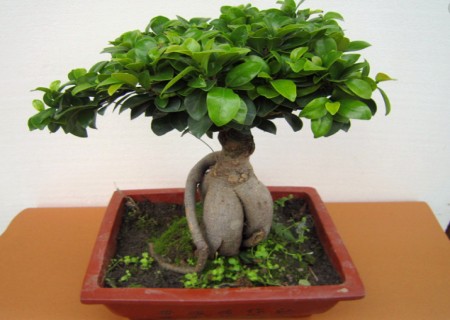
The Correct Method and Detailed Steps for Repotting a Ficus Bonsai
Ficus bonsai generally need repotting once every 2 years, and the timing for repotting is generally set after the ficus enters dormancy, that is, the two periods of early spring or late autumn. When repotting a ficus, the potting soil should be adjusted; a suitable amount of fully decomposed organic matter can be added to the potting soil
-
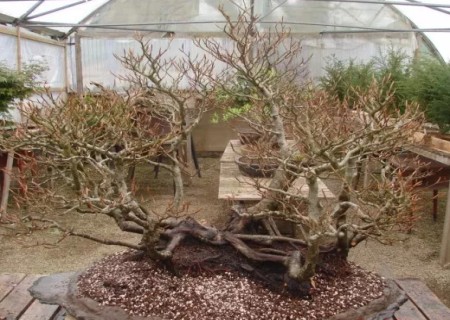
How to repot a Japanese zelkova (Zelkova serrata) bonsai? Master the correct repotting method
When a bonsai tree grows too long in a limited potting-soil environment, the fertility gradually runs out over time, and the potting soil also becomes increasingly compacted, so air and water permeability are both seriously affected. Therefore, repotting a bonsai tree at the right time is the foundation for ensuring it continues to grow well. Japanese zelkova bonsai is no exception.
-
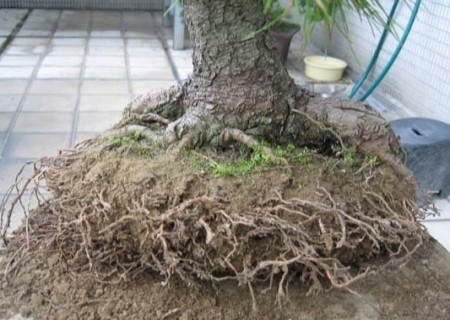
How to repot a pine bonsai? Detailed guide to the correct method
If a pine has been growing in a pot for too long, its root system becomes tangled and crisscrossed, and the potting soil easily breaks down into powder, seriously hindering aeration and drainage while also reducing water retention. In this case, we need to consider repotting the bonsai. Pines can be repotted in spring and autumn.
-
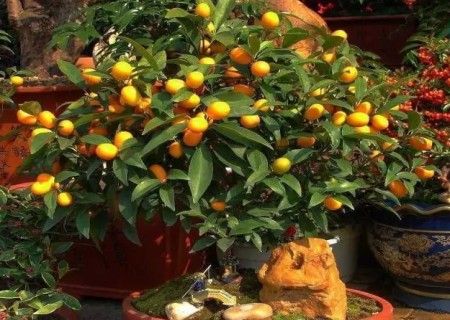
A Detailed Guide to the Correct Method of Repotting and Changing Soil for Fruit Tree Bonsai
To ensure fruit trees retain high ornamental value every year, the repotting frequency and timing must be chosen sensibly. If the repotting frequency is too high, the branches will grow vigorously, resulting in fewer fruits forming that year; if the repotting frequency is too low, the nutrients in the potting soil will be exhausted
条件筛选