-
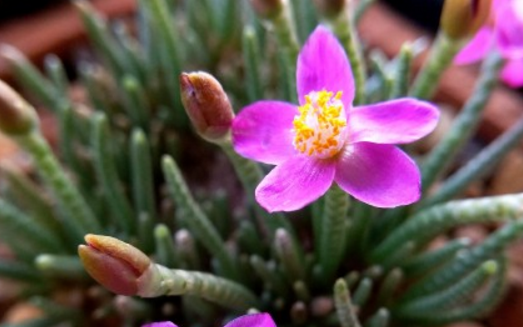
White-flowered Anacampseros (Anacampseros albissima) Home Care Tips: Repotting, Transplanting, and How to Solve the Problem of Not Blooming
White-flowered Anacampseros is commonly known as Avonia albissima. So what are the home cultivation and care tips for Anacampseros? How do you repot and transplant it? What should you do if it does not bloom? According to available information, the white-flowered Anacampseros belongs to the genus Anacampseros in the family Portulacaceae. It is native to the desert regions of South Africa and Namibia, and prefers a cool, dry, and sunny environment. It is tolerant of drought and partial shade
-
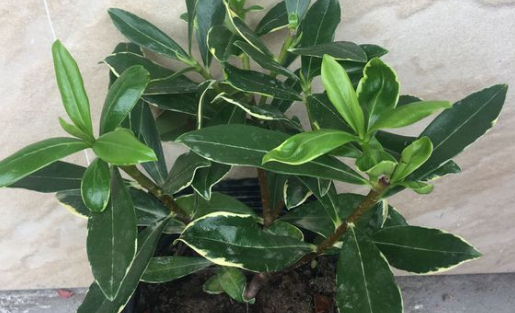
How to grow Daphne odora and things to note, and how to repot and prune?
Daphne odora (scientific name: Daphne odora), also known as Shuixiang, Penglai Zi, Fengliu Shu, Mao Ruixiang, Qianli Xiang and so on. So what are the growing methods and things to note for Daphne odora? When to repot? How to prune? According to available information, Daphne odora prefers a semi-shaded and fairly well-ventilated environment, and is rather afraid of strong sunlight and exposure.
-
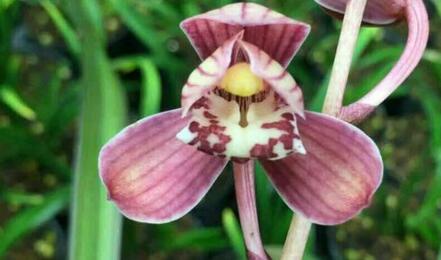
Fertilizing, Repotting and Care of Home Potted Orchids and What They Symbolize
Nowadays many people like to buy all kinds of potted plants and grow them on the balcony or indoors; this not only decorates the room but also freshens the air. Today the editor will introduce to you: what fertilizer is best for home potted orchids? In which season is it suitable to repot them? What should be noted in their care? What meaning do they symbolize
-
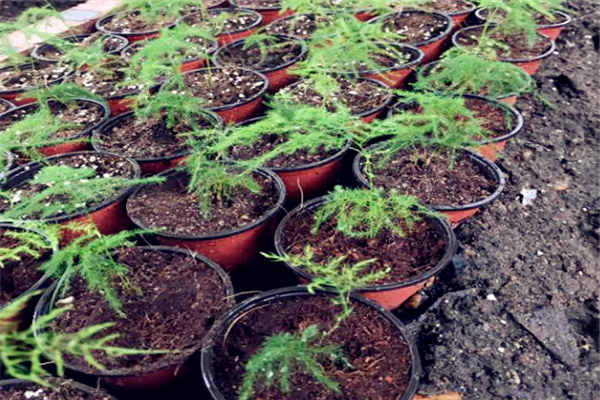
The best time and correct method for dividing, repotting and transplanting asparagus fern
Asparagus fern has extremely high ornamental value, and it also has a certain air-purifying effect. Many people know that asparagus fern can also be grown by division
-
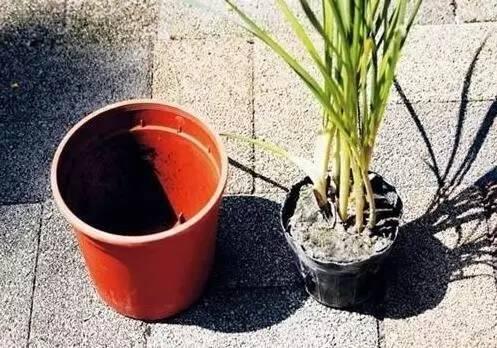
Improper repotting of flowers can easily lead to plant death
The editor often sees messages sent in by everyone, and many friends ask me why flowers die not long after being repotted. Why exactly is that? Below, the editor will explain it to everyone. 1. The best time to repot is during the plant's dormant period or early growth stage; repotting at this time
-
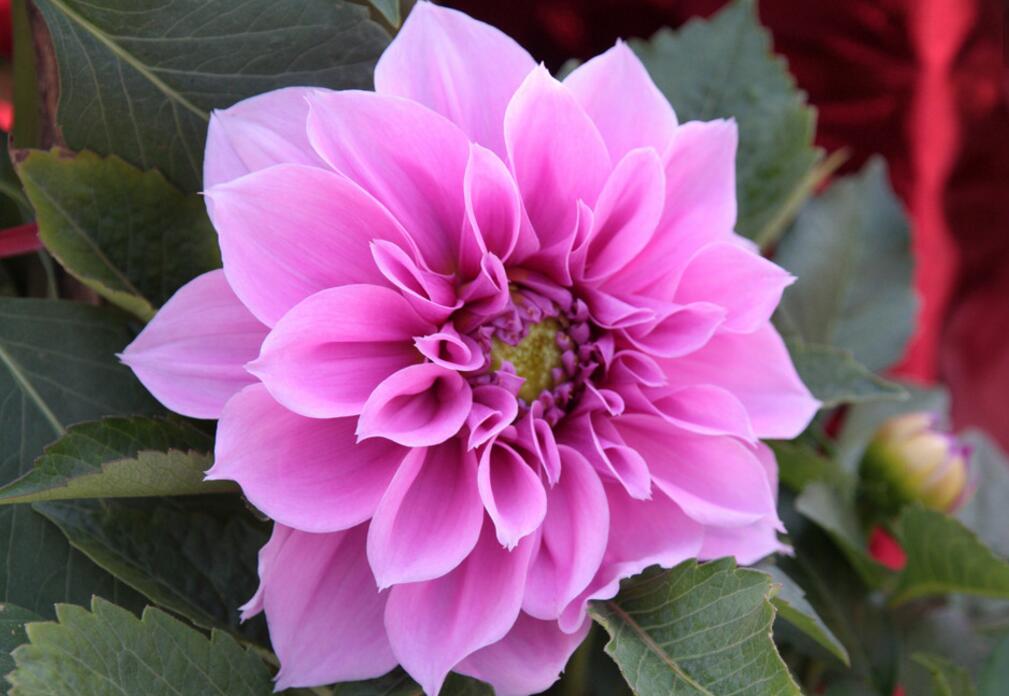
What to do when a camellia has root rot? Repot in fresh soil and re-root it from cuttings
The root system of the camellia is very fragile. Once care is improper, root rot comes easily, and if it is not treated promptly or is handled poorly, the whole camellia can die. In fact, there are still ways to save it. Below, Huacaole shares with you repotting in fresh soil for cultivation.
-
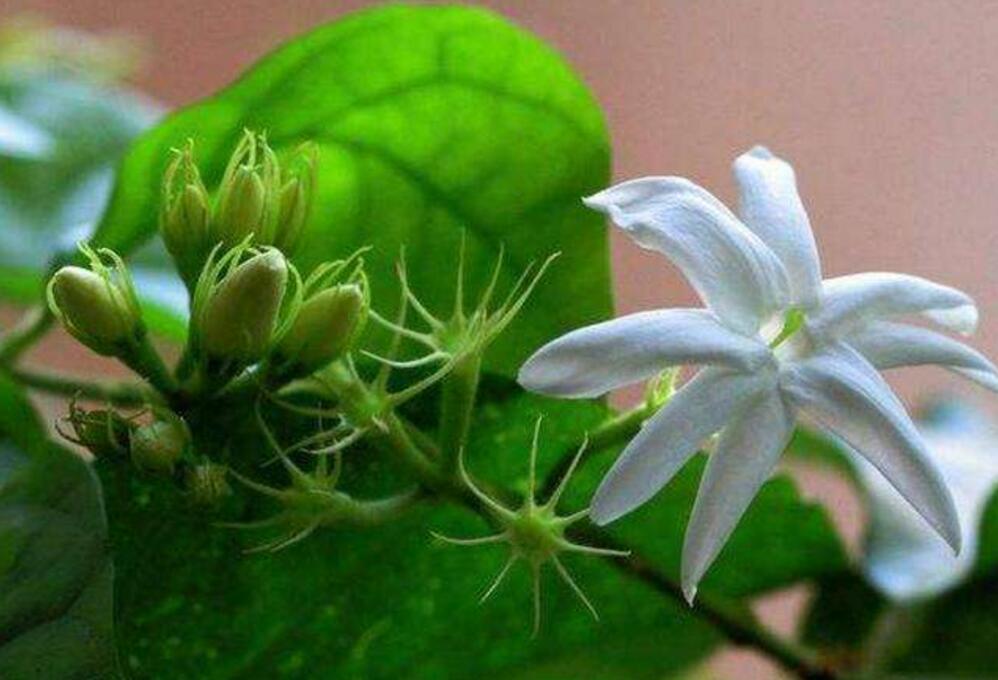
How to grow jasmine? A guide to spring pruning and repotting
As spring returns and temperatures gradually rise, jasmine that was moved indoors to escape the severe cold can now be moved outdoors for care. After being stored for several months, the jasmine has sparse leaves and has lost its vitality. At this time, everyone wants to give the jasmine a quick tidy-up, pruning and repotting. So how should jasmine be cared for now, and can it be pruned and repotted?
-

How to repot houseplants, flowers and bonsai? Teach you the correct method
Bonsai potting and daily maintenance and management methods for the golden marble! Nowadays, all kinds of bonsai on the market are becoming more and more beautiful, and everyone's favorite bonsai is different. Today I want to talk about the pottery potting and daily maintenance and management of the golden marble bonsai, which is popular on the market. The golden marble is called "bottle orchid"
-
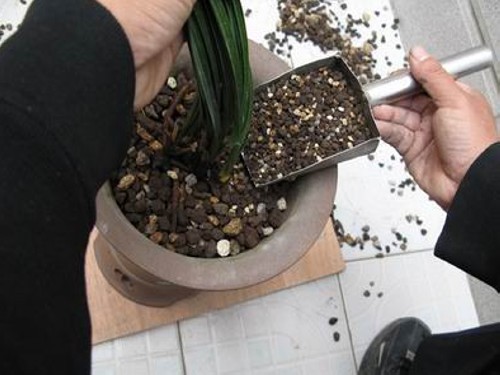
The correct method and steps for repotting bonsai
The process of renewing the potting soil and replanting a potted plant in its pot is called repotting. According to the needs of the styling, either a deep pot is swapped for a shallow one, or the planting position or posture of the tree is changed, while carrying out the necessary work to make the bonsai more beautiful and of higher ornamental value. Some potted flowers and trees suffer from pests and diseases
-
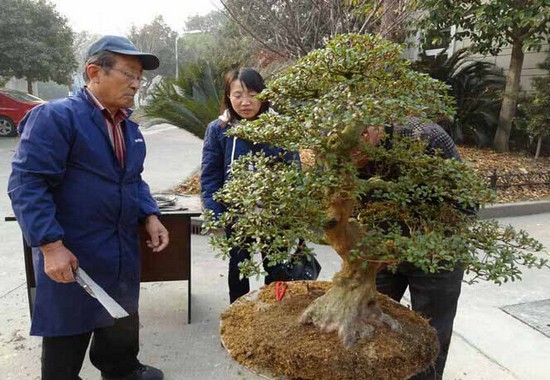
What Happens If You Don't Repot a Bonsai? My Experiment Record
According to traditional thinking, a bonsai should be repotted every two to three years or every four to five years. This heavy task consumed a great deal of manpower, materials and time. Especially for large-scale production and collection units, repotting became an even bigger burden. At first, I also repotted every three to four years, and while it was tiring and troublesome,
条件筛选