How to grow jasmine? A guide to spring pruning and repotting
As spring returns and temperatures gradually rise, jasmine that was moved indoors to escape the severe cold can now be moved outdoors for care. After being stored for several months, the jasmine has sparse leaves and has lost its vitality. At this time, everyone wants to give the jasmine a quick tidy-up, pruning and repotting. So how should jasmine be cared for now, and can it be pruned and repotted? Below, Huacaole shares with you:
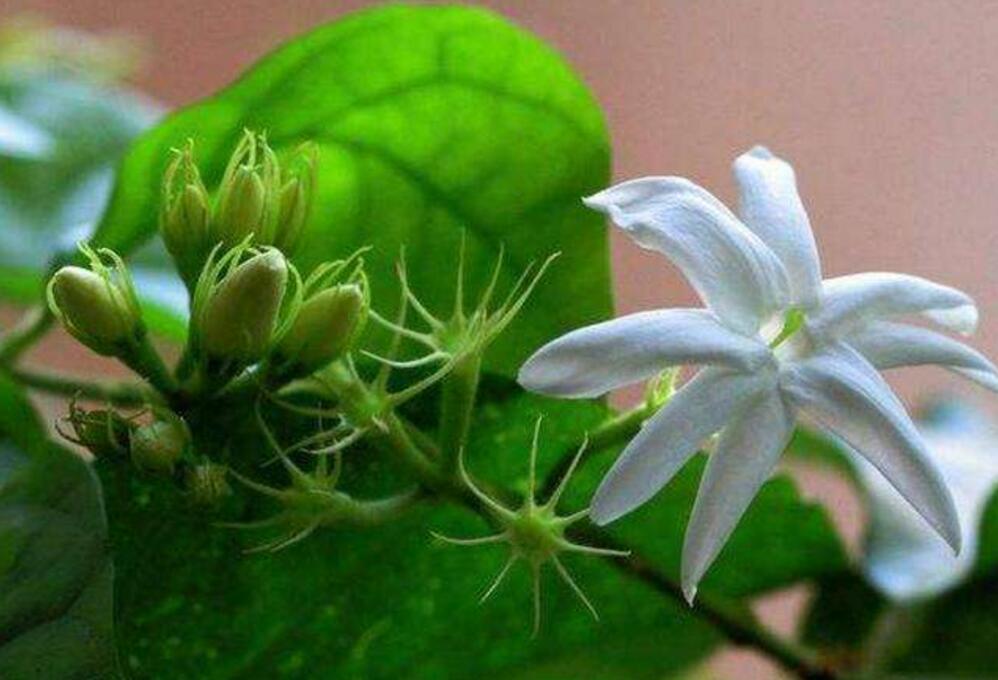
1. Repotting jasmine
Although it is now mid-March and temperatures are rising, the temperature is still unstable, occasionally climbing to 20°C, but also encountering a late spring cold snap down to 10°C. So at this stage, both indoor and outdoor temperatures are unfavorable for repotting. Jasmine is currently in its flowering period. This is a period of high nutrient consumption. This period is also unfavorable for repotting. It is recommended to carry out repotting in mid-to-late April.
2. Pruning jasmine
1. Jasmine is currently in its flowering period, so heavy pruning is not advisable either, as it will cause nutrient loss; the air is dry, which will dry out the branches. Just prune away individual dead branches.
2. Normal pruning is done after the flowering period. Cut the flowering scape of the jasmine downward to just below the first leaf, which will stimulate new branches again. This forms a natural open-center shape.
3. Points to note when repotting jasmine
1. Soil: It prefers loose, breathable, well-draining soil. You can also buy peat soil (coco coir soil) from the flower market and grow it with added perlite and vermiculite. The bottom of the pot needs well-rotted, fermented organic fertilizer as a base fertilizer.
2. Repotting: It is best done on a cloudy day. When planting, place the plant right in the center, check the root system, prune rotten roots, and after planting, water with rooting powder solution. Place it in a semi-shaded spot to recover for about 20 days. Then place it in sunlight for care, and water and fertilize normally. Jasmine prefers acidic soil; northern soil and water tend to be alkaline, so it is recommended to use ferrous sulfate once a month.
4. How to grow jasmine?
1. Jasmine by nature loves hot, humid, ventilated environments and needs sufficient light. With strong light, the branches and trunk are robust, the leaves are dark green, and the flowers are abundant and fragrant; with insufficient sunlight, the nodes are sparse, the flowers are few, and they are not fragrant.
2. Jasmine is not drought-tolerant, but it also dislikes waterlogging. On sunny summer days, water twice a day, once in the morning and once in the evening. During the flowering period, do not spray water on the flowers, to prevent premature flower drop and loss of fragrance.
3. For jasmine, fertile sandy and semi-sandy soil is best, planted in slightly acidic soil with a pH value of 6 to 6.5.
4. Jasmine loves fertilizer; every 3-5 days, apply 1 top dressing of well-rotted, dilute liquid fertilizer. In autumn, appropriately reduce the amount of watering and gradually stop fertilizing.
5. Before the minimum outdoor temperature drops to 5°C, move the potted plant indoors to a sunny spot. When first brought indoors, open the windows often for ventilation. And control watering.
6. Jasmine is often harmed by snout moth larvae, scale insects and red spider mites, with July to September being the most severe. You can use fenvalerate diluted with water for spraying, once every half month. The best spraying times are 9 a.m. and 4 p.m. on sunny days; do not spray under the scorching midday sun, to prevent chemical damage.