Improper repotting of flowers can easily lead to plant death
The editor often sees messages sent in by everyone, and many friends ask me why flowers die not long after being repotted.
Why exactly is that? Below, the editor will explain it to everyone.
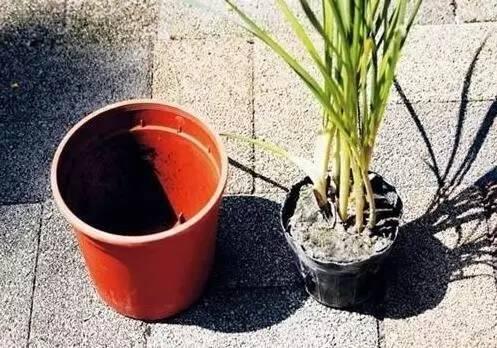
1. The best time to repot is during the plant's dormant period or early growth stage. Repotting at this time causes the least damage to potted plants, and potted plants recover quickly. Most potted plants can be repotted in spring and autumn.
2. Remember that plants must never be repotted during their growth period, seedling recovery period, or flowering period! At best it affects the plant's normal growth; at worst it causes the plant to die directly.
When repotting, pay attention to:
1. If it is a new pot, soak the new pot in water overnight, clean it, and let it dry. This is because new flower pots contain alkaline substances, and if they are not cleaned thoroughly, they will affect the plant.
If it is an old pot, leave it under the sun for four or five hours to disinfect and sterilize it, and prevent insect eggs and pathogens from infecting the plant.
2. When repotting, it is best not to transplant with bare roots; keep more of the old soil.
3. After repotting, water immediately, and water thoroughly. Place it in a shaded area for about half a day. Once the plant recovers its vitality, normal care can resume.
4. Prune away all dead branches, diseased branches, and weak branches. If the root system has grown too vigorously, it needs to be pruned.
(Before pruning the roots, the scissors must be disinfected before use; they can be soaked in potassium permanganate solution.)
5. When repotting, it is best to wait until the potting soil is half dry and half moist, so that the pot and soil separate easily.
6. Plants that have just been repotted must not be fertilized. You can place some decomposed organic fertilizer at the bottom of the pot, but note that the organic fertilizer must not come into direct contact with the plant's roots.
Except for succulents, after other plants are repotted, water them thoroughly and move them to a ventilated, shaded place for one to two weeks of care before they can gradually be exposed to light.
If it is a potted plant with overly luxuriant branches and leaves, some branches and leaves also need to be properly cut off. This can avoid excessive nutrient consumption, which causes yellowing of branches and leaves.
7. After repotting, wait until the plant has adapted for 3 months before resuming fertilization, and apply light fertilizer. Gradually increase light. Only in this way can the plant maintain a good growth state.
Key points for repotting and care:
1. Repot when the potting soil is half dry and half moist, clean off the old soil, and pay attention to disinfecting the potting soil.
2. Do not fertilize within 3 months after repotting. After watering thoroughly, keep it shaded for a period of care.
3. Plants with fast root growth should be repotted once a year, while slow-growing plants should be repotted once every 2 to 3 years.