-
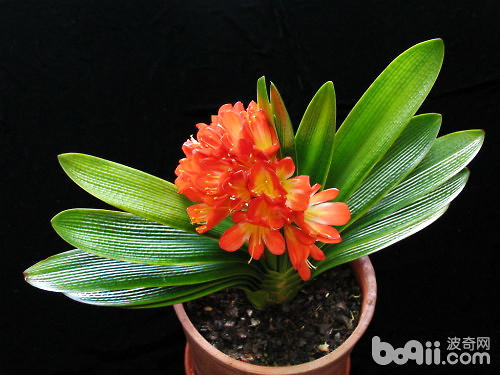
What are the reasons why Clivia does not bloom?
Why does Clivia not bloom? For a Clivia that has reached flowering age, failure to bloom normally is mainly due to the following reasons: ① Too much nitrogen fertilizer and too little phosphorus and potassium fertilizer, so it does not form buds when it comes time to bud and bloom. ② Too strong sunlight in summer has an adverse effect on budding and blooming. ③ In winter it is placed in a place with too high a temperature
-
Why does the sensitive plant move? The reason is here
[Why does the sensitive plant move]Why does the sensitive plant move
-
Why does the sensitive plant (Mimosa pudica) shy away? A detailed explanation of the reasons behind leaf closing
[Reasons why the sensitive plant shies away] What are the reasons the sensitive plant shies away?
-
What is the reason for the mimosa plant's contraction and closing
Why does the mimosa plant contract and close
-
Why does the sensitive plant shy away? Uncovering the reason green plants shy away
Why the green plant Mimosa pudica (sensitive plant) shies away: the reason the sensitive plant shies away
-
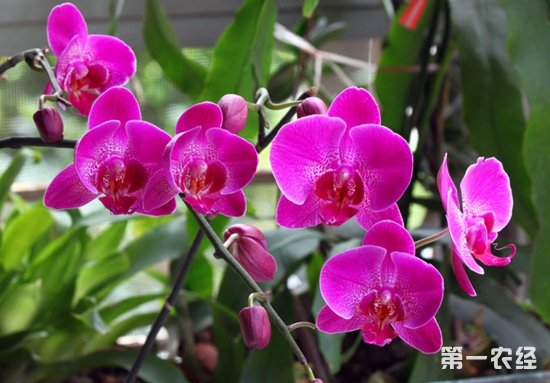
What are the reasons why Phalaenopsis orchids do not bloom
Why Phalaenopsis orchids do not bloom. Phalaenopsis cultivation requires special management, but that does not mean they cannot grow in living rooms; a large proportion of orchids can grow well in ordinary living rooms. To successfully cultivate Phalaenopsis, light, temperature and humidity must be strictly controlled
-
Is Mimosa Pudica Toxic? Uncovering the Reason It Shies Away
Explaining Whether Mimosa Pudica Is Toxic and Why It Shies Away
-

Reasons Why Phalaenopsis Only Grows Leaves Without Blooming and Solutions for Not Growing a Flower Spike
Why Phalaenopsis Does Not Bloom. Phalaenopsis cultivation requires special management, but this does not mean it cannot grow indoors; a large proportion of orchids can grow well in ordinary rooms. To successfully cultivate Phalaenopsis, light, temperature and humidity must be strictly controlled
-
Reasons and solutions for the leaves of fragrant pistacia dropping at the slightest touch
Fragrant pistacia is a tree species tolerant of dry heat. Aromatic oil can be extracted from its bark and leaves, and it is used as a spice among the people. In gardens it is often used as a bonsai shaping material and an excellent fruit-ornamental plant. Fragrant pistacia prefers humidity, and the growing medium must not be too dry, otherwise the leaves easily turn dull and the plant becomes listless and very unattractive. Each watering must soak through in one go, and never give "halfway water."
-
条件筛选