-
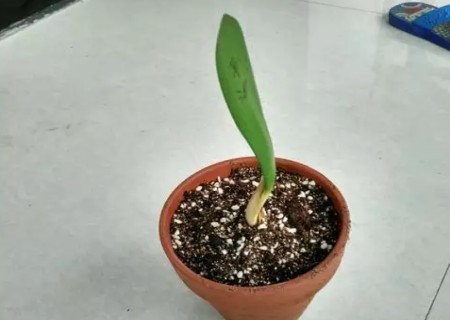
Illustrated Guide to Propagating Clivia by Dividing Offsets, Easy for Beginners to Learn
Once a clivia (Clivia miniata) reaches maturity, it can produce new offsets. These offsets are twisted off and grown into new plants; this is called asexual propagation of clivia. According to where they emerge, the offsets can be classified as stem-side offsets, stem-base offsets and leaf-gap offsets, all of which grow from the stem. When an offset has grown to 6 leaves, stem-base offsets and stem-side offsets can be divided off.
-
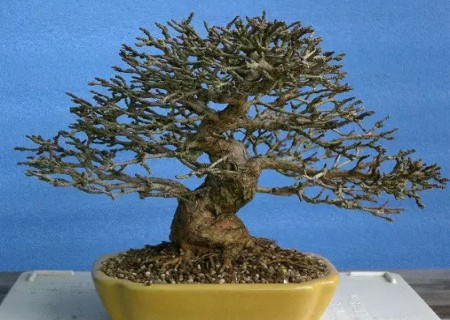
Illustrated guide to bonsai repotting methods, easy to learn with detailed steps
Everyone knows that the growing space for bonsai plants in a pot is limited after all. If they are not repotted for a long time, it may cause many growth problems, such as roots being unable to continue extending and showing signs of aging, the potting soil being unable to provide more nutrients, and pests and diseases invading the soil. Therefore, we need to repot them at the right time.
-
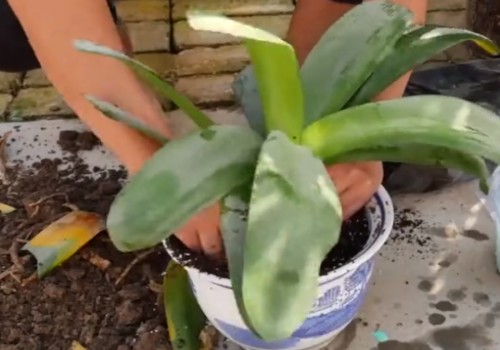
How to replant a Clivia after root rot? Detailed illustrated tutorial
Whether grown for its flowers or its foliage, Clivia has high ornamental value, but if watering is excessive, fertilizing is too heavy, or other care and management practices are improper, potted Clivia is also quite prone to root rot. Once Clivia root rot occurs, we need to take timely rescue measures
-
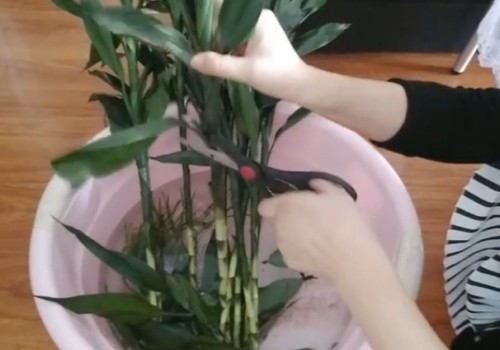
How to grow lucky bamboo in water for a higher survival rate and more vigorous growth
Lucky bamboo is an evergreen plant that many plant lovers like to grow, and it is mostly grown in water. As everyone knows, water-grown plants are generally not as easy to keep alive as soil-grown ones, and their growth is also somewhat weaker. So we need to master certain methods and techniques to grow them well. Then
-
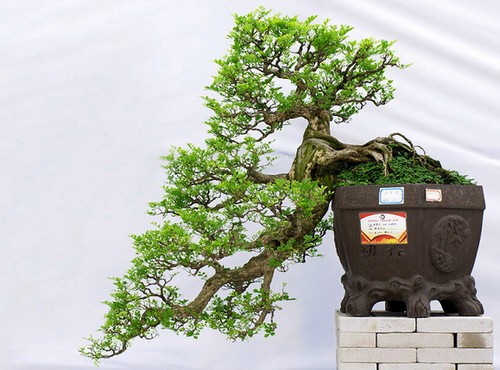
The Bend-and-Graft Method of Lingnan Penjing: Techniques to Accelerate Earlier Formation
Trunk chopping and branch training is the primary artistic technique for creating Lingnan penjing. This method, based mainly on pruning and sawing, produces vigorous, natural, tall and bold large-tree-style penjing. It is the result of long-term shaping by Lingnan penjing artists who draw from nature and learn from nature. However, this pruning skill of trunk chopping and branch training especially requires patience and perseverance.
-
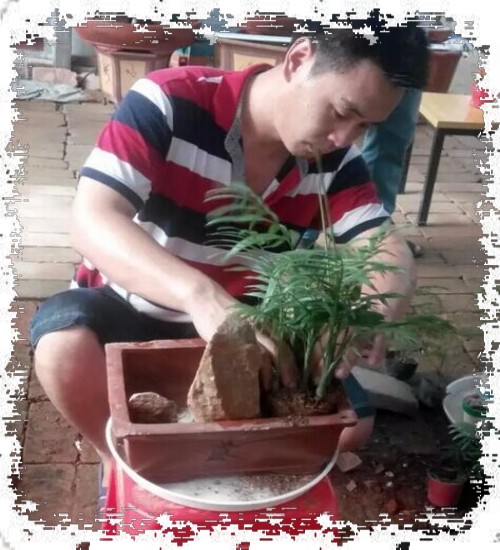
How to make a landscape bonsai? DIY illustrated tutorial explained in detail
Without further ado, today let's first look at the pictures: bamboo + Buddhist pine (Podocarpus macrophyllus) rock-and-stone bonsai; bamboo + pennywort (Hydrocotyle vulgaris) landscape bonsai; parlor palm (Chamaedorea elegans) + Buddhist pine landscape bonsai; parlor palm + Buddhist pine rock-and-stone bonsai. How do they look? After seeing the pictures above, don't you want one too?
-
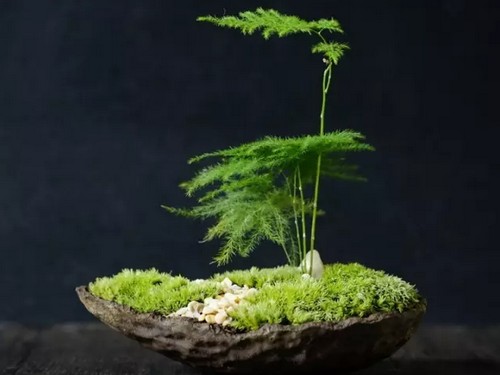
Illustrated guide to making bonsai moss: detailed steps that are easy to understand at a glance
Moss is generally used in bonsai only as a layer spread over the potting soil to retain moisture, but growing moss separately in a water-stone pot and viewing it as a moss bonsai in its own right actually has a distinctive charm. As the saying goes, three parts cultivating the plants, seven parts cultivating the person. Every morning, bend down and feel the primal wild breath together with the moss.
-
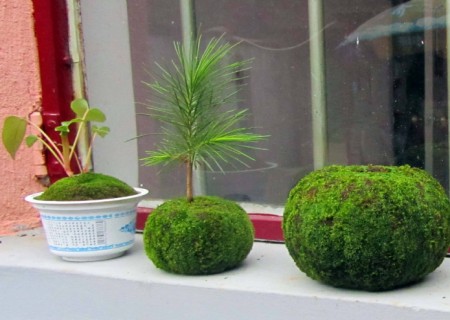
How to make a kokedama moss ball bonsai yourself? DIY method illustrated
Kokedama, fresh and elegant, evergreen all year round, more ornamental than succulents. Currently, it is very popular in Europe, America, Japan and South Korea. Kokedama is both a plant and a planting method, an ancient Japanese art evolved from bonsai, originating in the Japanese Edo period, and is a type of Japanese-style bonsai
-
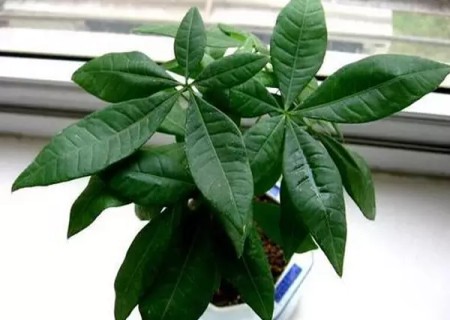
Illustrated Guide to Making a Money Tree Bonsai, Beginners Can Easily Learn It
The money tree (Pachira aquatica) is a foliage plant with broad, emerald-green leaves that are beautiful and elegant, offering extremely high ornamental value. As an evergreen tree, it has large flowers with lobed petals in red, white or pale yellow, with vivid coloring. A plant with green leaves is a delight to the eyes. When the money tree blooms, it is a wonderful choice for appreciation
-
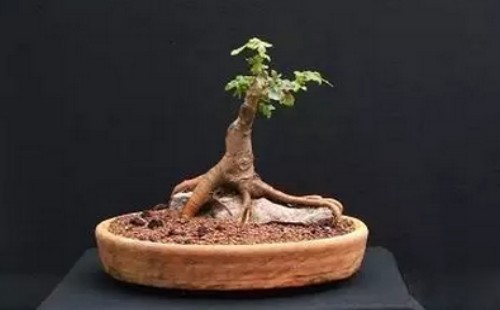
Step-by-step illustrated guide to making a root-over-rock bonsai yourself
A root-over-rock bonsai is a bonsai work in which a tree and a rock are skillfully fused together through certain means or techniques, making them into an organic whole, thereby enhancing its ornamental value and artistry. Making a perfect root-over-rock bonsai not only embodies that bonsai creation comes from nature yet surpasses nature
条件筛选