-
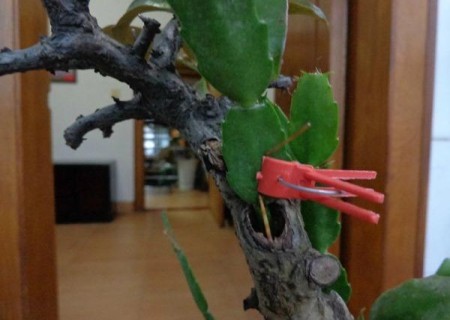
Illustrated guide to bonsai grafting techniques, with a full breakdown of the steps
What is grafting? Grafting is taking part of one plant, such as a bud or a branch, and joining it onto the trunk or root of another plant so that the two parts heal together and grow into one complete plant. The bud or branch that is attached is called the scion (commonly known as the code).
-
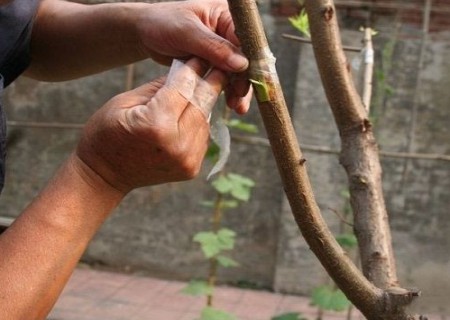
Bonsai branch grafting method illustrated: detailed steps you can master at a glance
Grafting propagation of nursery stock refers to joining the branch or bud of one plant onto another plant so that the two joined parts become one complete plant. The branch or bud that is grafted on is called the scion, and the plant that receives the graft is called the rootstock. Grafting is divided into two main categories: branch grafting and bud grafting. Branch grafting uses a branch as the scion, while bud grafting uses a bud as the scion.
-
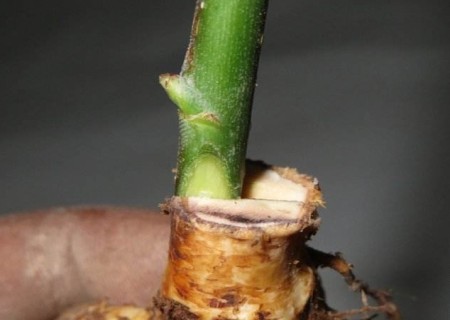
Illustrated Guide to the T-shaped Bud Grafting Method for Bonsai, Step-by-Step Grafting Tutorial
Bud grafting refers to a grafting method in which a single bud with a cambium layer is used as the scion. With this method, you must ensure that the scion is the only robust, pest-free one. Note that after grafting is complete, you should record the plant's survival rate at all times. If you find the bud sprouting, promptly release the bud from the wrapping film.
-
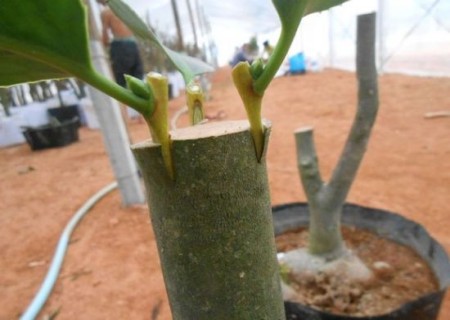
Illustrated guide to the bark grafting technique for bonsai: the steps are easy to understand at a glance
Bark grafting is carried out when the phloem of the rootstock peels easily; the rootstock should preferably be somewhat thicker than the scion. The scion should be cut longer to increase the contact surface. Its advantages are a high survival rate; its disadvantages are that grafting is slow, and after the graft takes, the new shoots need to be supported and tied to prevent breakage. Mulberry
-
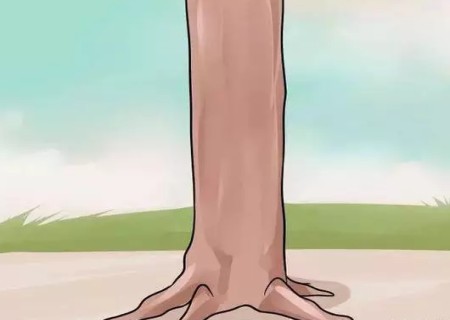
Illustrated guide to the cleft grafting technique for bonsai, with detailed steps that are easy to understand at a glance
Grafting is the artificial joining of tissues such as a branch or bud from one plant onto a suitable part of another plant, such as a branch, trunk or root, so that they heal and grow together to form a new plant. This branch or bud is called the scion, and the plant that receives the scion is called the rootstock. Grafting flowers and trees places great emphasis on technique
-
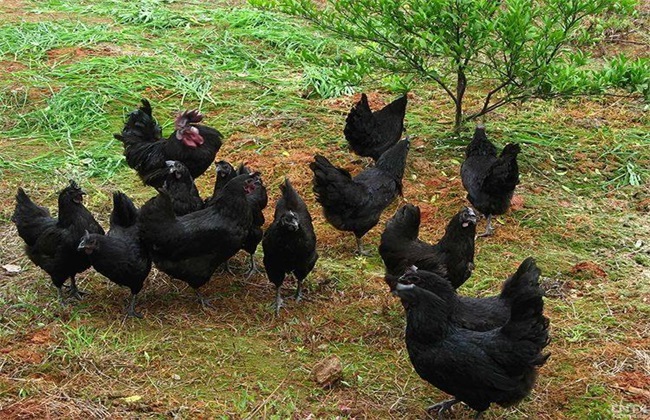
How to increase the egg production rate of Silkie chickens? Practical breeding methods shared
How to increase the egg production rate of Silkie chickens
-
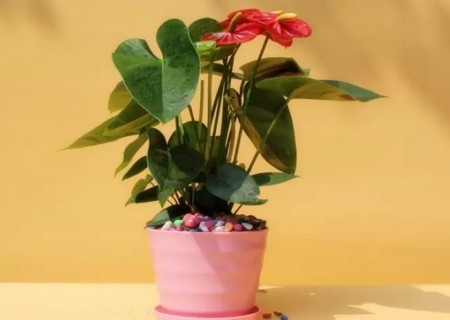
Anthurium division propagation method illustrated, step-by-step instructions
At present, the seedlings used for potted anthurium production in our country are mainly imported from the Netherlands, such as Anthura and RijnPlant, both well-known Dutch anthurium seedling suppliers. There are four common types of potted anthurium planting material: tissue-cultured plantlets, divisions, plug seedlings and potted seedlings. A basic principle: the smaller the plant, the greater the cultivation difficulty
-
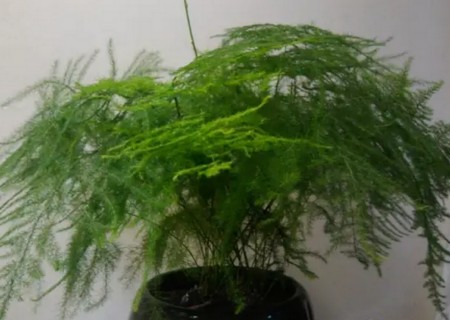
How to divide Asparagus fern (Asparagus setaceus): illustrated steps and precautions
Asparagus fern has an elegant form, with heights arranged in order and a quiet, refined charm, giving it high ornamental value. Its stems are jointed like bamboo and carry the graceful, unrestrained bearing of bamboo, which is why it is called "wenzhu" (literary bamboo). Its leaf-like branches are slender and beautiful, densely growing like feathers, with layer upon layer of emerald cloud, an elegant plant shape and a distinctive charm, deeply loved by people
-
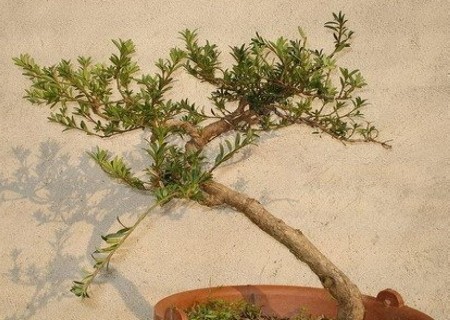
Podocarpus bonsai styling illustrated guide, teaching you to prune a beautiful tree shape
Generally speaking, any tree shape can be styled; in fact, there are no restrictions on trunk diameter or thickness, or on how the branches divide, but how beautifully it is shaped depends 70% on the skill of the horticultural stylist and 30% on later maintenance. If either part is missing, it is very difficult to produce an exquisitely styled, superior Podocarpus bonsai.
-
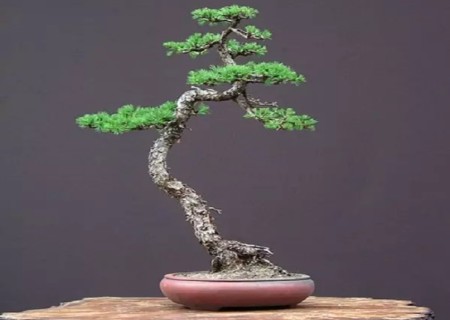
Illustrated guide to the whole process of styling a literati tree bonsai, teaching you step by step
Literati trees often use vivid, distinctive, fresh and exquisitely skilled artistic imagery to give the best interpretation of the lofty, proud aspirations, the solitary elegance and the untrammeled, independent humanistic spiritual pursuit of Chinese intellectuals since ancient times; literati trees are more about expressing oneself, while Suren style is more
条件筛选