-
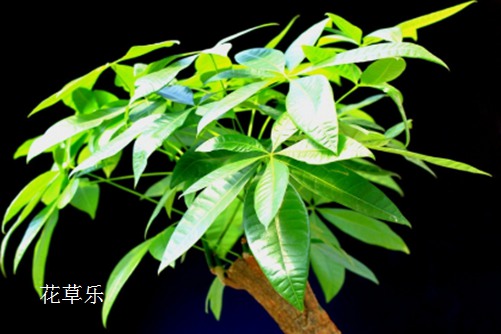
Simple and practical tips for preventing and treating common pests and diseases of the money tree (Pachira aquatica) - save them now
Is your money tree easy to care for? When chatting with some plant lovers before, we once talked about this topic. Many friends said the money tree is not easy to care for, and the tree suddenly gets sick. They suddenly do not know what to do. Actually, the editor has something to say: it is not that the money tree is hard to care for
-
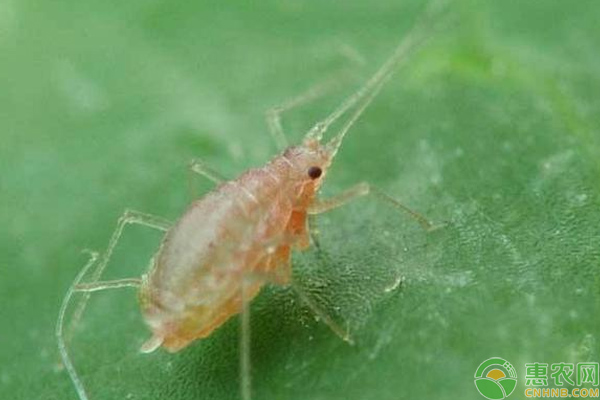
Methods for preventing and controlling pests and diseases of household potted flowers in winter
In the north, many flowers spend the winter indoors. Because indoor temperatures are relatively high, some pests with piercing-sucking mouthparts still grow and reproduce, spreading and causing damage. In addition, some potting soil may also breed pests, so several simple and easy manual control methods are introduced here. (1) Controlling aphids
-

What are the methods for preventing root rot and bud drop in tree peonies?
What should you do about root rot and bud drop in tree peonies? To prevent root rot and bud drop in tree peonies, the following methods can be used: (1) Water and fertilize at the right time and in the right amounts. Since tree peonies have fleshy roots and are prone to waterlogging, they should not be watered too often, and especially should not be given heavy watering; they are particularly susceptible to standing water, which otherwise easily causes root rot and leaf drop. Proper watering should follow the principle of watering when dry and stopping when moist
-
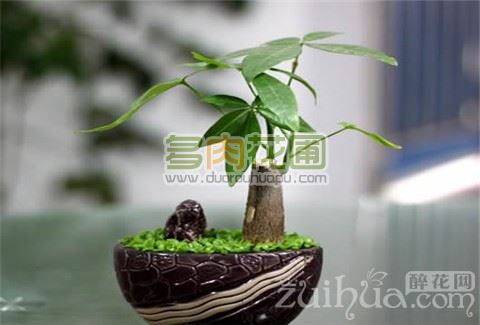
What are the tips for preventing and controlling pests and diseases on the money tree?
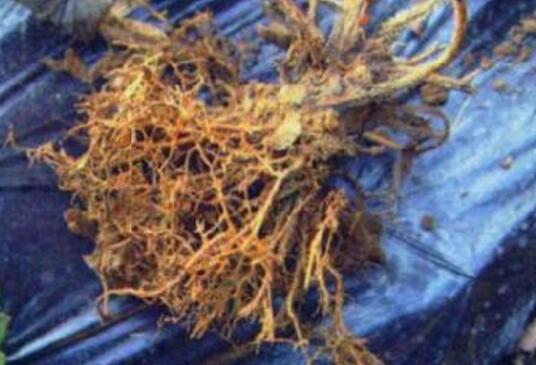
Common diseases of the money tree include root rot and leaf blight. Root rot usually starts from the roots or the root crown and spreads upward, with the phloem becoming soft and rot
-
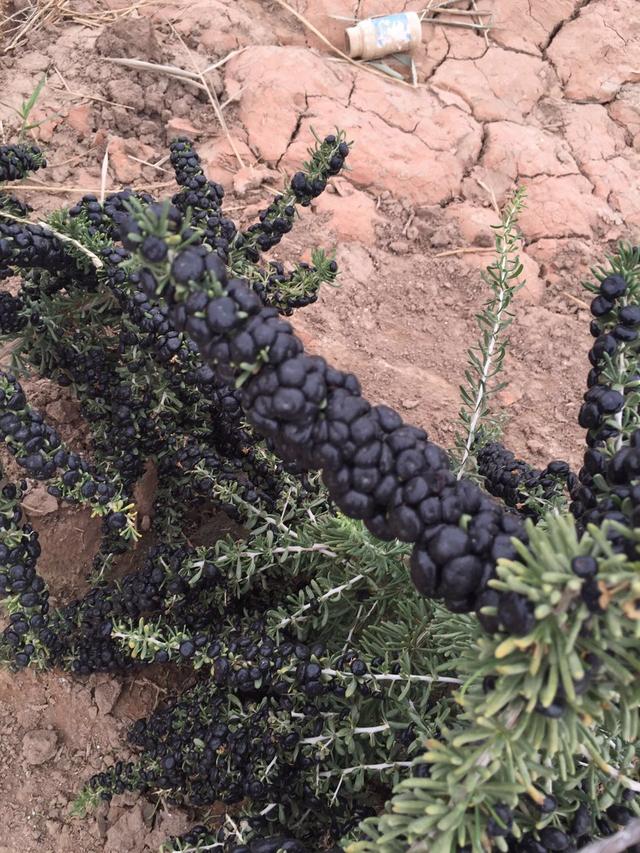
Methods for preventing and controlling stem rot in black goji berry cultivation
As midsummer arrives, farmers have already entered a state of readiness in advance (the picking season is here). Some are happy, some are worried. A bountiful harvest brings joy but also troubles...
-
What are the methods for preventing and controlling soybean flower and pod drop?
1. Reasonable topdressing. Usually, soybean is topdressed once with nitrogen fertilizer at the early flowering stage, which can reduce the rate of flower and pod drop, extend the lifespan of the plants, increase grain weight, and raise yield. Generally, 150-230 kg of ammonium nitrate or 120-180 kg of urea can be applied per hectare; at the flowering and podding stage, foliar topdressing can be carried out, using 0.5 kg of urea, 1.5 kg of superphosphate, 0.3 kg of potassium sulfate, and 30 g of borax per mu, adding 50 kg of water, extracting the leachate, and spraying it on the leaf surface, which helps preserve flowers, increase pods and grains, and raise the 100-
-
Eight Methods for Preventing Cotton Boll Rot Explained
1. Digging trenches to drain waterlogged fields Cotton is most afraid of autumn waterlogging; the higher the humidity in the cotton field, the more severe the boll rot. Continuous rainy weather is even more likely to cause boll rot. Therefore, after heavy rain, the accumulated water in the cotton field should be drained promptly, the soil should be allowed to dry to lower humidity, the field microclimate should be improved, boll opening should be accelerated, the reproduction and spread of pathogens should be inhibited, and boll rot should be reduced. 2. Reasonable pruning For cotton fields with high density and vigorous growth, after the full flowering stage, empty fruiting branches should be cut off promptly, vigorous buds should be removed, and the side tips of the middle and lower parts and the old leaves on the main stem should be removed in stages and batches, to enhance ventilation and light penetration, lower temperature, and reduce rot
-
Key technical points for preventing five hazards and protecting three types of seedlings in cotton seedling beds
Common problems in cotton nutrient bowl seedling beds are mainly manifested as drought, waterlogging, disease, fertilizer, pesticide and frozen seedlings, burned seedlings, and spindly seedlings. 1. Prevent the "five hazards" 1. The water content in the bowls should be moderate. The nutrient bowl seedling bed should be selected in a place convenient for both drainage and irrigation. The water content in the bowls is best when the soil can be pinched into a ball by hand and falls apart upon hitting the ground; 2. After sowing cotton and covering with soil. Water thoroughly in one application, and water until it slowly infiltrates downward; 3. After covering with film, ensure sufficient soil moisture. Do not uncover the film at will, and do not uncover the film until the seedlings emerge completely; 4. Around the seedling bed, drain surface water and filter waterlogged water
-
Seven tips for preventing and controlling pests and diseases in butterfly flowers: soil management is key
Although butterfly flowers have beautiful flowers and bright colors, one could say they are very alluring, if they suffer from pests and diseases during growth, not only will they struggle to bloom, but the entire plant may die, which is something no flower lover wants to see. So we need to understand methods for preventing and controlling pests and diseases in butterfly flowers.
-

5 Top Tips for Preventing and Controlling Pests and Diseases in Oxalis: Prevention Is Key
Oxalis is a relatively easy plant to grow, but if it is often kept in rather extreme conditions, or if the cultivation methods are not quite scientific, pests such as oxalis mite and green peach aphid can appear on the plant. So when planting, flower lovers should learn some methods for preventing and controlling pests and diseases in oxalis
条件筛选