-
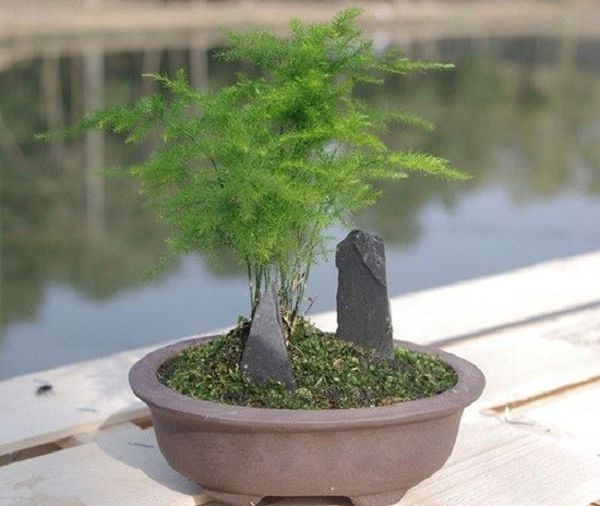
Growing flowers indoors brings many benefits for the elderly: preventing illness and keeping the spirits joyful
Growing these flowers indoors helps the elderly prevent illness and stay in good spirits
-

What are the common methods for preventing and controlling cherry blossom pests and diseases?
There are many types of cherry blossom pests and diseases. The common ones are described below: Perforation-type brown spot disease occurs in May and June. Small purple-brown spots appear on the leaves, then gradually expand into circles. After the diseased spots dry and shrink, they become small holes. The pathogen mostly overwinters on diseased branches and leaves. The optimum temperature for its development is 25°C to 28°C. It spreads by wind, and rainy seasons favor infection and disease development. When the tree is weak, drainage is poor, and ventilation and light penetration are poor, the disease occurs severely. Control methods: (1) Strengthen cultivation management, prune and trim reasonably
-
Detailed Methods and Techniques for Preventing and Controlling Pests and Diseases of Mountain Lilies
Lily gray mold, anthracnose, and late blight are common diseases of plants in the Liliaceae family. If not controlled in time, they will cause reduced yields. (1) Lily gray mold, also known as leaf blight, belongs to the Deuteromycetes. It mainly occurs on stems, leaves, and flowers, and mostly damages the tips of young leaves, causing the stem growing points to soften and rot. When it occurs on leaves, it forms yellow or reddish-brown spots with water-soaked margins. In humid weather, gray mold-like substances are produced on the diseased parts. Control: In the early stage of disease, spray 1:1:150 Bordeaux mixture or mancozeb 600-800 times dilution, spraying 2-
-
Detailed Guide to Preventing and Treating Diseases in Home-Grown Orchids
First, strengthen cultivation practices. Orchids need an environment with good ventilation and air flow, unimpeded drainage, and moderate light. Taking home potted orchids as an example, the orchid pot chosen should have ample space at the bottom, good breathability, and no water accumulation; the soil for growing orchids is best made by mixing pond mud with fired soil, slightly acidic; when the orchid plant is moved into the pot, it should be placed in a spot with good ventilation and moderate light, to reduce and prevent the occurrence of orchid diseases. When watering orchids, water control should be carried out differently according to the season, to keep the soil in the orchid pot slightly moist
-
What are the methods for preventing and controlling lily pests and diseases?
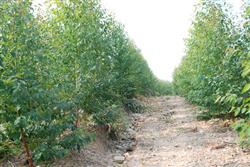
Planted for just over a year, the eucalyptus grew to 15 m, increasing by more than 1 m per month on average! This is the eucalyptus growth rate achieved by Zhang Quanhai, a forest farmer in Min'an Town, Fogang County. Zhang Quanhai revealed that scientific planting management and the rational application of compound fertilizer and calcium-magnesium fertilizer are the secret to the rapid growth of his eucalyptus. Being both a fertilizer dealer and a wood...
-
Technical key points for preventing waterlogging during the rapid growth period of lilies
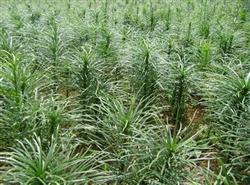
Pre-emergence management: From sowing to around emergence, the main tasks are clearing ditches and draining water well, ensuring the lily field is neither too dry nor waterlogged, and that there is no low-temperature freeze damage, so as to ensure normal growth of the bulb roots. Seedling-stage management is generally during late April or early May; when the seedlings are about 10 cm tall, apply generally 25-50 kg of decomposed rapeseed cake fertilizer per mu, or 30 loads of decomposed pig manure and urine (do not apply chemical fertilizers containing fluorine or chlorine, and even more so do not apply pig manure and urine that has not been composted), applied in furrows or holes, 6-7 cm away from the lily seedlings. Applying too close can easily cause "seedling rot," while applying too far away makes the fertilizer prone to loss. At the same time, during the seedling stage, depending on labor availability, carry out timely cultivation 1-2 times; where conditions permit, cultivate after rain (be sure to cultivate shallowly), with a cultivation depth of 4-6 cm, deeper between rows and shallower between plants.
-
What are the methods for preventing and treating rose diseases
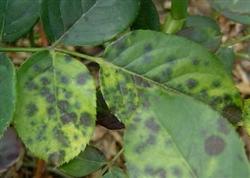
1. Symptoms. Black spot is most prevalent in the Beijing area during summer and autumn. Infected rose leaves develop dark brown spots 3-4 mm in diameter with a yellow halo around them, and the leaves drop off; when the disease is severe, only the stems and infected young shoots remain on the rose plant. 2. Early prevention (1) During the rose seedling stage, prevent the leaves from...
-
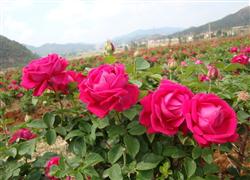
What are the methods for preventing and controlling rose rot?
In the production of pollution-free edible roses, preventing pests and diseases and keeping the rose plants vigorous is the best way to control disease. Usually the following preventive measures are taken: 1. Select disease-resistant lines and use healthy plants as seedlings. 2. Avoid applying too much nitrogen fertilizer, so that the plants do not grow leggy and become insufficiently sturdy, and are prone to...
-
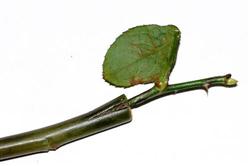
What are the methods for preventing and treating rose rot?
How do you bud-graft roses? An introduction to the bud-grafting method for roses can refer to the following: 1. Variety selection: choose traditional superior varieties, such as Gansu "Kushui Rose", Shandong "Pingyin Rose", Beijing "Miaofengshan Rose", etc. (traditional roses bloom once in late spring and early summer), or choose recent...
条件筛选