-

Garlic has wonderful uses in preventing and treating pig diseases; these pig diseases can be cured with garlic
The wonderful uses of garlic in preventing and treating pig diseases; it turns out these pig diseases can be cured with garlic
-
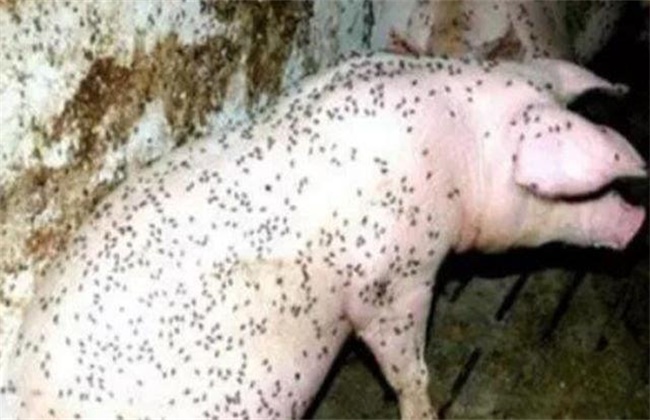
What are the methods for preventing and controlling mosquitoes and flies in pig farms in summer?
Methods for preventing and controlling mosquitoes and flies in pig farms in summer
-
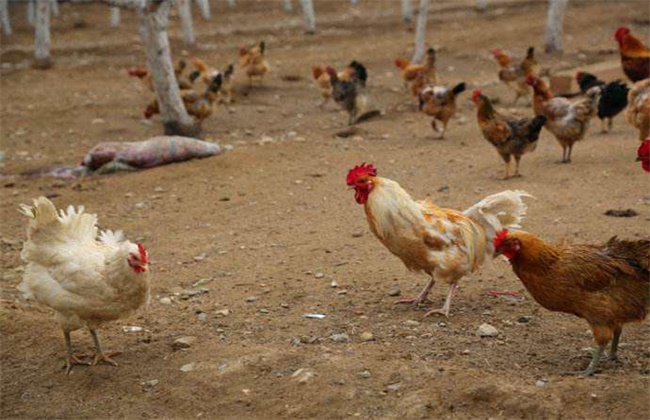
Practical Tips for Preventing Heatstroke and Cooling Down Chickens in Summer
How to Prevent Heatstroke When Raising Chickens in Summer
-

Spring pig farming: pay attention to preventing vitamin deficiencies
Vitamin A deficiency: use 20 grams of pine needles, crush them for juice or boil them for juice, mix into the feed and give once, once a day, for several days in a row; you can also feed more carrots, silage and other feed rich in vitamin A. Vitamin B deficiency: when preparing daily feed, pay attention to fully supplying bran, silage, sprouted feed and others rich in vitamin B. If corn is used as feed for a long time, it can cause niacin deficiency. The amount of corn in the feed should be reduced and bran, silage, sprouted feed and juicy tuber feed should be increased.
-
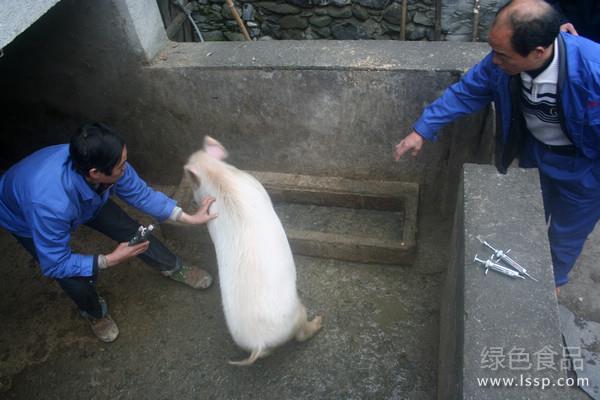
Precautions for Preventing Adverse Reactions During Livestock Immunization
Precautions for Preventing Adverse Reactions in Livestock Immunization
-
Detailed Explanation of Technical Measures for Preventing Broiler Chick Mortality
Broiler chicks grow and develop relatively quickly and have high nutritional requirements. During the chick stage, their body temperature regulation function is not fully developed, and their resistance to disease is weak. Therefore, they must be given careful care; the slightest negligence can lead to various diseases and death. In production, preventive measures must be taken to reduce losses. 1. Strictly follow the immunization program and vaccinate in a timely manner. Chicks raised in large groups in confinement are prone to illness with the slightest inattention, especially Marek's disease, Newcastle disease, infectious bursal disease, infectious bronchitis and other diseases. Once these infectious diseases spread, they are very
-
What are the methods for preventing and treating snake mold spot disease?
It is mostly seen during the plum rain season, or snakes are prone to this disease in low-humidity environments. Symptoms: some block-shaped or dot-shaped black mold spots appear on the ventral scales of the sick snake. If not treated in time, it will ulcerate and cause death. Treatment method: apply 1%-2% iodine tincture topically to the affected area, wiping it 2 times per day; generally it heals in about 7 days.
-
Principles and Methods of Oral Medication for Preventing Rice Field Eel Diseases
Also called the oral administration method, it generally involves mixing the medication to be used into the feed at the prescribed dose to make medicated bait, so that the rice field eel ingests the medication by eating the feed, thereby achieving the purpose of preventing and treating diseases. The problem with using this method is that usually once rice field eels become ill, it becomes a group outbreak, with generally reduced appetite or almost complete cessation of feeding, meaning that the amount of medication entering the rice field eels' bodies will not be very large, and the treatment effect will not be very good either. Therefore, certain technical measures need to be taken to do everything possible to get the sick rice field eels to better ingest the medicated bait, such as stopping feed
-
Preventing Porcine Japanese Encephalitis in Early Summer
As early summer arrives, the weather gradually grows hotter, and various mosquitoes (such as Culex, Aedes, and Anopheles) begin to multiply in large numbers. Mosquitoes are an important vector for the transmission of Japanese encephalitis virus; after feeding on the blood of infected animals, they can carry the virus for life and can also carry the virus through the winter, becoming the source of infection the following year. Japanese encephalitis is highly harmful and can infect many kinds of animals and humans, with the most severe harm to pigs. In particular, it can damage the reproductive performance of pigs, causing pregnant sows to miscarry and produce stillborn, weak, or mummified fetuses, and causing orchitis in boars.
-
Seven points to note for preventing miscarriage in doe deer
Miscarriage prevention for deer should begin at mating and end at fawning. To ensure rapid fetal development in deer, the following tasks should be done well for miscarriage prevention. 1. Prevent inbreeding. Inbreeding increases the chances of embryo death and the birth of deformed deer. It also easily causes low viability in fawns, leading to reduced productivity. 2. Strengthen the taming of deer, enhance their docility, and prevent mechanical miscarriage. 3. Improve the living environment of doe deer. Promptly clear snow and ice from the deer shed. Prevent deer from slipping and suffering miscarriage.
条件筛选