-

Methods for preventing and controlling rice seedling stunting and key technical points
The main causes of rice seedling stunting are three types: phosphorus deficiency stunting, zinc deficiency stunting, and saline-alkali damage stunting. The main prevention and control methods are: 1. Phosphorus deficiency stunting generally occurs during the tillering stage after seedling recovery, manifesting as slow growth, short plants, slender and upright leaves, dark green leaf color, neat leaf cluster tips, significantly shortened leaf sheath distance, partial tillering, red leaf tips, and old leaves turning brownish-red or even dying. The main causes are (1) soil lacking available phosphorus; (2) low soil temperature, low water temperature, or soil containing hydrogen sulfide, ferrous iron
-
Preventing Sprouting in Stored Potatoes
To prevent potatoes from sprouting during storage, spray 2000-3000 ppm of maleic hydrazide in the field during the late growth stage; alternatively, one week before harvest, spray the whole plant with 500-1000 ppm of 2,4,5-T to extend the dormancy period and storage life; spraying the whole plant with a mixture of 3000 ppm maleic hydrazide and 300 ppm 2,4,5-T 2-3 weeks before harvest gives an even better sprout-prevention effect. In addition, after the potatoes are harvested, spray methyl naphthaleneacetate onto dry soil, then
-
Four Major Pests to Focus on Preventing and Controlling in Garlic Cultivation
Garlic has medicinal properties and generally does not contract diseases, so it rarely develops illness, which is already widely known. However, garlic can only suppress the occurrence of certain diseases; it cannot suppress the harm caused by pests. For pests such as aphids, seed maggots, thrips, and leafminers, careful prevention and control should be carried out to ensure garlic quality and improve cultivation benefits: 1. Aphids The aphids that mainly harm garlic include: turnip aphid, cotton aphid, green peach aphid, and mustard aphid, appearing respectively in yellow, green, yellow-green, and some in cherry red. When temperatures are higher, they are more favorable for continued reproduction and
-
Garlic is Effective in Preventing and Treating Pullorum Disease in Chicks
Pullorum disease is an acute infectious disease caused by Salmonella pullorum, characterized in chicks by white, pasty, loose droppings; if not treated promptly, it often causes mass deaths. In recent years we have tried using garlic to prevent and treat pullorum disease in chicks: a total of 83,600 chicks were protected, with an effective protection rate of over 96%; 6,227 sick chicks were treated, of which 5,918 were cured, a cure rate of 95%, showing remarkable results. 1. Treatment methods. (1) Select locally grown purple-skinned garlic, peel off the outer skin, crush it, and mix it into the feed; use 0.5-1 g per sick chick,
-
Preventing and controlling winter pepper diseases starts at the seedling stage
Pepper is one of the major winter vegetables in Guangdong. In recent years, seedling death in peppers grown in winter or early spring in protected and open-field cultivation has become increasingly serious, severely affecting the economic returns of farmers growing peppers. Investigations have found that pepper seedling death is generally caused by Fusarium wilt, Phytophthora blight, sclerotinia rot, bacterial wilt and other diseases. According to many years of investigation and research, in addition to factors such as continuous cropping and climate, pepper seedling death is also closely related to seedlings already carrying pathogens before transplanting to the field. If seedlings carry pathogens, the disease is more severe; if they do not carry pathogens, the disease is milder even under continuous cropping
-

What are the methods for preventing and controlling lettuce pests and diseases? Learn it all in one article
Methods for preventing and controlling lettuce pests and diseases
-
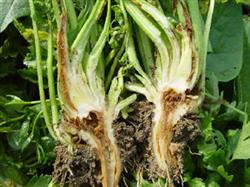
Spring marks the critical period for preventing and controlling celery heart rot
Celery heart rot is a common physiological disease in spring celery production. The tender tissue at the growing point of the celery turns black and dies. Subsequently, the root system and some stems and leaves of the celery also die one after another. The control methods are as follows: 1. Rational fertilization. Apply sufficient base fertilizer and increase the application of phosphorus, potassium and boron fertilizers to cultivate robust plants and improve disease resistance. Do not...
-
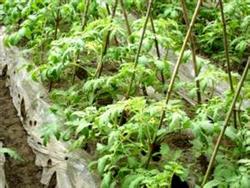
Key Technical Points for Preventing Spindly Growth in Greenhouse Tomatoes
The main causes of spindly seedlings and stunted seedlings in greenhouse tomato cultivation are insufficient light, excessively high temperatures and excessive moisture. Once spindly or stunted seedlings appear, the harm is considerable. Spindly seedlings differentiate flower buds late, drop many flowers, have a low survival rate, and suffer large yield reductions, while also failing to achieve early maturity. The measures to prevent spindly seedlings mainly...
-
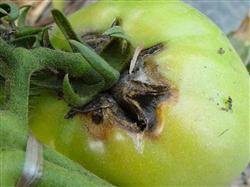
Key Technical Points for Preventing Physiological Diseases of Autumn Tomatoes
Early blight: After onset, concentric ring-patterned lesions appear on the leaf surface, dark brown, water-soaked. Before and after onset, spray with a 500-fold dilution of 70% mancozeb wettable powder, or a 400-fold dilution of 75% chlorothalonil wettable powder, once every 7 days, for 3 to 4 consecutive sprays.
-
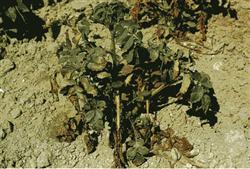
Practical tips for preventing sprouting during potato storage
Symptoms: Also known as potato verticillium wilt or premature ripening disease. In the early stage of the disease, the leaf tips turn yellow along the leaf margins, and yellowing spreads inward from the leaf veins; later, the leaves dry up and turn from yellow to brown, but do not curl, until all compound leaves die without falling off. When the rhizome is infected, the initial symptoms are not obvious. After the leaves yellow, the vascular bundles at the cut rhizome have already turned brown, and later the aboveground stems...
条件筛选