Methods for preventing and controlling pests and diseases of household potted flowers in winter
In the north, many flowers spend the winter indoors. Because indoor temperatures are relatively high, some pests with piercing-sucking mouthparts still grow and reproduce, spreading and causing damage. In addition, some potting soil may also breed pests, so several simple and easy manual control methods are introduced here.
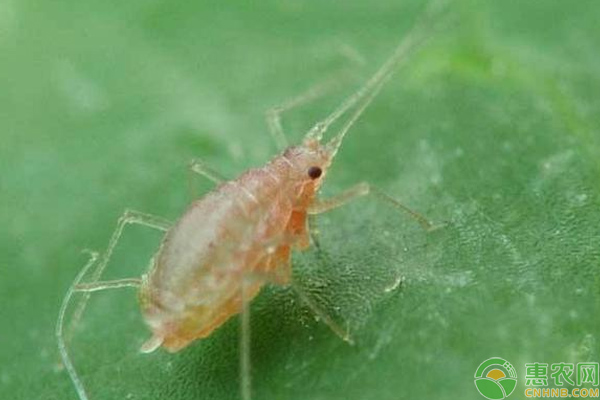
(1) Controlling aphids. Aphids generally attach to young branches, leaves or flower buds, and can be eliminated by rinsing with water. To prevent flower buds from falling off, the water flow should be gentle when rinsing buds; when rinsing leaves, hold the leaves with your hand. Rinsing several times over the winter can not only control aphids but also make the flowers fresher and more colorful.
(2) Controlling whiteflies. Whitefly larvae are not afraid of water and can be gently wiped off with a cloth. Adult whiteflies can fly, and the stronger the light, the more active they are, so observe carefully in the early morning or evening and eliminate them promptly.
(3) Controlling scale insects. Scale insects survive by attaching to the plant, so making them detach from the plant can achieve control. You can use a bamboo needle, matchstick or similar object to gently pry the scale insects off the plant. You can also gently wipe the scale insects off the branches and leaves with a cloth or soft brush. Note that during pest control you must be very careful to avoid injuring the plant, especially the leaves.
(4) Controlling red spider mites. Flowers affected by this type of pest generally show grayish-yellow spots on the leaves, which are difficult to observe with the naked eye, so when inspecting normally, it is best to use a magnifying glass. If diseased leaves are found, remove them immediately and burn them in a concentrated manner.
(5) Controlling flies in the potting soil. Although flies in the soil do little harm to the plant, they are still very annoying, so diluted pesticide solution can be used to kill the eggs. When using different chemicals, pay attention to the mixing ratio.
Pests and diseases of flowers in winter
The pests and diseases of flowers can generally be divided into two major categories: diseases and insect pests. Diseases are caused by fungi, bacteria and viruses, as well as by imbalances in temperature, humidity and nutrition, and are manifested as a series of physiological and morphological pathological changes. Insect pests refer to the damage caused by insects, mites and nematodes chewing or sucking on the tissues of the roots, stems, leaves and flowers of flowers.
There are generally fewer pests and diseases in winter, but some pests and diseases can also appear in rooms with heating or higher temperatures. This not only affects the healthy growth of flowers but also affects their ornamental value, so attention must be paid to the prevention and control of pests and diseases. In general households, the main approach is still prevention, for example maintaining suitable temperature and humidity, good indoor ventilation, suitable soil moisture, disinfecting the soil when sowing, and selecting robust seeds or introducing flower seedlings free of pests and diseases. These are all effective measures for preventing pests and diseases.
Common diseases include powdery mildew, anthracnose, root rot, rust, root nodule disease, leaf spot, brown spot and chlorosis. Diseases may occur throughout the entire growth period of flowers, but they are most common in the high-temperature, rainy season from June to August. A small number of pests and diseases can also occur in winter.
Powdery mildew: Powdery mildew is one of the most common diseases of flowers. Flowers such as cineraria, Chinese rose, Rosa xanthina, dahlia and chrysanthemum are highly susceptible to this disease. In the early stage of the disease, small white spots appear on the leaves, which later become white powdery patches. The leaf surface looks as if covered with a layer of white powder, and later turns gray. Control methods: 1. Observe frequently, and when diseased leaves are found, remove and burn them promptly to prevent spread. 2. Before bringing flowers indoors for cultivation, inspect them strictly and do not move diseased plants indoors to avoid transmission. 3. Pay attention to indoor ventilation, adjust temperature and humidity, increase light, enhance the plant's disease resistance, and make the plant grow robustly. 4. To prevent the disease or in the early stage of the disease, use 50% thiophanate-methyl or 50% carbendazim, 1 g diluted in 0.6 kg of water, and spray.
Rust: It causes severe damage in warm regions throughout the four seasons. It often begins in spring and spreads widely in early summer, producing lesions on young stems and leaf veins that resemble rusty powder. In mild cases, the branches and leaves lose green and turn yellow; in severe cases, the leaves of the whole plant wither and die, and the flower buds dry up and wither. This disease mostly harms flowers such as Chinese rose, Rosa multiflora and chrysanthemum, and its branches, leaves and buds can all be affected. Control methods: 1. When rust-diseased branches and leaves are found in early spring or late autumn, prune them promptly and burn them in a concentrated manner. 2. Fertilize reasonably, control the application of nitrogen fertilizer, and the overwintering temperature of potted Chinese rose should not be too high. 3. Once the disease appears, use 40% triadimefon, 1 g diluted in 2 kg of water, and spray.
What are the pests and diseases of household flowers? Summary of common household flower pest and disease types and control measures
Household flower cultivation is currently a way for people to cultivate their character. It is understood that the vast majority of people in our country grow greenery and seedlings at home, because it can cultivate temperament and also purify the air. However, during cultivation, diseases can also be encountered. Below, the editor will tell everyone about the common types of household flower diseases and control methods for reference.
I. Main flower insect pests and control methods
1. Scale insects
Common ones include red wax scale, horned wax scale, chaff scale, rose white scale and wide soft scale. They harm many woody flowers such as azalea and Chinese rose. Nymphs mostly gather on young branches and the undersides of leaves to pierce and suck sap, causing malformed new shoots, early leaf drop, and simultaneously inducing sooty mold.
Control methods: Prune off infested branches and burn them, and protect natural enemies. In winter, spray 10-15 times diluted resin mixture once. In early spring, spray 3-5 degrees Baumé lime sulfur mixture once. During the growing season, spray 500 times diluted 90% crystal solution or 1000-1500 times diluted 50% malathion emulsion 2-3 times every 7-10 days.
2. Aphids
Common aphids include green peach aphid, cotton aphid, chrysanthemum aphid and rose aphid. Females and nymphs gather on young shoot tips and the undersides of leaves to suck sap and cause damage. The damaged leaves shrink, and sooty mold is also induced.
Control methods: Protect natural enemies (ladybugs, lacewings, hoverflies, etc.), use natural enemies for control, or use yellow sticky traps to trap and kill them.
3. Spider mites
Common ones include red spider mite, bulb mite and two-spotted spider mite. They harm many kinds of flowers. The damaged leaves lose green, develop spots, curl and shrink, and in severe cases the leaves scorch and fall.
Control methods:
(1) Natural enemies. There are many kinds of natural enemies of pests, which can be used for control during the planting process. The main natural enemies include Stethorus punctillum, Stethorus siphonulus, Harmonia axyridis, large and small lacewings, Orius minutus, phytoseiid mites, etc. They play a positive role in controlling pest populations.
(2) Chemical control. Use 1000 times diluted fenbutatin oxide and pyridaben emulsifiable concentrate (such as Guoguang Hongsha) or 1000 times diluted 10% fenbutatin oxide and pyridaben emulsifiable concentrate (such as Guoguang Hongsha) + 3000 times diluted 5.7% emamectin benzoate emulsifiable concentrate (such as Guoguang Leke), mix and spray for control. It is recommended to use it twice consecutively, with an interval of 7-10 days.
(3) If the situation is severe, Guoguang Hongsha can be used (recommended and effective). According to different pest conditions, dilute with water and spray to kill. Observe every half month; if there are still many red spider mites, continue.
(4) If there are few red spider mites, they can be pinched to death with tweezers, and the leaves can be rinsed with clean water. If conditions permit, the soil can be replaced to prevent eggs from being overlooked.
4. Whiteflies
Common ones include greenhouse whitefly and citrus whitefly. Adults and larvae gather on the undersides of leaves and suck sap. When the damage is severe, the leaves fade and dry up, and sooty mold is simultaneously induced.
Control methods: Use yellow sticky boards to trap and kill them, and spray 2.5% deltamethrin or 2000 times diluted 20% fenvalerate.
II. Root pests
1. Cutworms
They mainly harm the seedlings of many herbaceous flowers such as chrysanthemum and carnation.
Control methods: Poison bait trapping. Use 90% trichlorfon and wheat bran or bean cake powder at a ratio of 1:50, mix evenly, and scatter around the roots of seedlings in the evening to kill the larvae.
2. Snails
They mainly harm many greenhouse flowers such as cyclamen and cineraria.
Control methods: Spread a thin layer of carbaryl powder at the bottom of the pot of affected plants, or apply treatment.
III. Moths
1. Slug moths
Common ones include yellow slug moth, flat slug moth and mulberry brown slug moth. They mainly feed on the leaves of many woody flowers such as wintersweet and Chinese rose, causing holes or eating the leaf mesophyll completely so that only the veins remain.
Control methods: 1000 times diluted 90% crystal solution, or 3000 times diluted pyrethroid pesticide.
2. Noctuid moths
Common ones include tobacco cutworm and silver-marked noctuid. They mainly harm many flowers such as Chinese rose, lily, cyclamen, chrysanthemum and carnation. Newly hatched larvae gather on the undersides of leaves and feed on leaf mesophyll; after the third instar they feed on tender leaves, forming holes.
Control methods: Use black light traps to kill adults, protect natural enemies (Trichogramma, spiders), and spray Haizheng diluted solution.
IV. Main flower diseases and control methods
1. Powdery mildew
Also called powdery mold disease. It harms Chinese rose, Rosa multiflora, Euonymus japonicus and kumquat, among others. It often infects the leaves, stems and flower stalks of flowers. When it occurs, a layer of white powder appears on the surface of the affected area, and in severe cases the leaves wither. It often occurs in stuffy, humid and poorly ventilated places.
Control methods: Spray triadimefon or thiophanate-methyl, carbendazim, chlorothalonil (75% wettable powder) and other chemicals.
2. Southern blight
It harms Chinese rose, jasmine, clivia, small pomegranate, Japanese aucuba, orchid and chrysanthemum, among others. When the disease occurs, the base turns brown and rots, and in severe cases later turns yellow to brown and resembles rapeseed.
Control methods: Disinfect the potting soil before use, the planting environment needs ventilation, and diseased branches should be pruned promptly.
3. Rust
It occurs from July to August and often harms the leaves of grape, woody begonia, goji and chrysanthemum, among others. The surface of affected leaves initially shows yellow-green spots, and the undersides of the leaves are densely covered with orange-yellow powder. Afterward, dark brown polygonal small spots appear around the lesions. The lesions mostly appear near the leaf veins and along the leaf margins. The disease starts from the lower leaves and gradually spreads to the upper leaves.
Control methods: In late autumn, clean up fallen leaves and burn them. Spray 4-5 times throughout the year; spraying in July-August has the most notable effect.
4. Damping-off
Also called seedling blight. It occurs in high-temperature and humid environments. Flowers initially show a scalded, water-soaked rot at the root and stem, yellow-brown in color, and later the affected part softens, causing the plant to lodge and die. The pathogen comes from fungi in the soil and spreads very quickly.
Control methods: Wood ash can be spread on the surface of the potting soil for prevention, or 1500 times diluted amobam can be used for drenching, once every 7-10 days, to control spread.
5. Leaf spot
Also called black spot, brown spot, etc. It causes more damage to Chinese rose, camellia, azalea, Rosa multiflora and chrysanthemum, among others. When the disease occurs, black spots appear in the middle of the leaves, and then the leaves turn yellow and fall. This disease is mostly caused by a stuffy and humid environment.
Control methods: Pay attention to improving environmental conditions. In the early stage of the disease, remove the damaged leaves and burn them. Use 8000 times diluted solution, spraying 2-3 times every 7-10 days.
6. Anthracnose
It commonly harms flowers such as Cymbidium goeringii, Cymbidium faberi, Cymbidium ensifolium, Cymbidium sinense and clivia. In the early stage of the disease, round or semicircular red-brown spots appear on the leaves, later turning dark brown, with the edges sometimes showing a yellow halo; in the later stage the lesions become gray-white.
Control methods: Do not pour water directly over the top when watering, do not place potted flowers too densely, and the placement location should be well lit and ventilated. After disease is found, prune diseased leaves promptly. For chemical control, carbendazim wettable powder diluted solution can be used.
7. Sooty mold
This disease is most likely to occur in stuffy, poorly ventilated or smoke-filled environments. At first, dark brown sooty stains appear on the leaf surface of diseased plants, then expand. It mostly harms perennial evergreen woody flowers such as southern magnolia, camellia, sasanqua and Chinese ivy, and can also infect chrysanthemum and Chinese rose, producing black soot-like mold layers.
Control methods: When there is only a small amount at the beginning, wipe off the sooty stains with water or alcohol, or prune off diseased leaves. In severe cases, spray carbendazim or Bordeaux mixture.
8. Brown spot
Main symptoms: In the early stage, pale yellow purplish-brown lesions appear on the leaves; in the later stage, the lesions expand and turn black; in severe cases, the whole leaf becomes black and dies.
Control methods: Spray 500 times diluted 75% chlorothalonil wettable powder.
9. Downy mildew
Main symptoms: In the early stage, irregular chlorotic spots appear on the leaf surface; in the later stage, the lesions expand, are polygonal and yellow-brown, with white mold layers on the undersides of the spots.
Control methods: 300 times diluted metalaxyl wettable powder or 800 times diluted 75% chlorothalonil wettable powder.
10. Mosaic disease
Main symptoms: In the early stage, small bright chlorotic line-like spots appear on the leaves; in the later stage, the lesions expand, causing the leaves to dry up, the plant to grow poorly, and no flowers or small green flowers to appear.
Control methods: Because it is caused by virus infection, promptly pull out and destroy diseased plants, and regularly spray to prevent aphids and reduce disease transmission.
11. Chlorosis
Main symptoms: The leaf mesophyll at the top of the plant generally turns yellow, while the leaf veins remain green. In severe cases, plant growth becomes weak and stunted.
Control methods: Improve the soil to prevent salinity and alkalinity, keep the soil slightly acidic, and spray 0.5% ferrous sulfate or iron chelate on plants that have already turned yellow.
12. Sclerotinia rot
Main symptoms: In the early stage, it first invades the leaf sheath, producing light brown lesions; in the later stage, it invades the stem and bulb, causing rot and the appearance of black particles.
Control methods: Spray 1500 times diluted 70% thiophanate-methyl wettable powder.
13. Root nodule disease
Main symptoms: Nodule-like substances form at the site where the seed bulbs form, and affected plants grow poorly.
Control methods: Remove diseased plants, and disinfect the affected area with quicklime.
Diseases in household flower cultivation are common. The above are detailed disease types and control methods. Everyone should quickly learn about them so as to carry out prevention as early as possible and reduce the probability of disease occurrence.