-
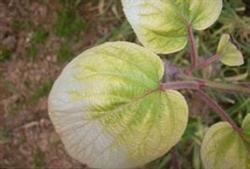
How to prevent and control kiwifruit chlorosis? These cultivation techniques you need to master
How to prevent and control kiwifruit chlorosis? Please introduce the prevention and control methods. Kiwifruit chlorosis can be prevented and controlled by referring to the following methods: Build the orchard in a suitable location and choose a good site. The soil pH of a production orchard should be between 5.5 and 7.5. The soil should preferably be light loam, medium loam, or well-aerated sandy loam, with organic matter content in the topsoil above 1.5%, and the groundwater level below 1 m. Avoid establishing an orchard on replanted land where perennial trees such as apple, pear, and peach have already been grown, or on heavy clay soil. It should also not be established in areas with a high groundwater level that are prone to waterlogging.
-
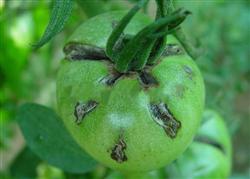
How to Prevent Fruit Cracking in Tomatoes in Summer and Autumn? Key Cultivation Techniques
How to Prevent Fruit Cracking in Tomatoes in Summer and Autumn? Please Introduce Control Methods. Symptoms of Tomato Fruit Cracking in Summer and Autumn: When tomatoes ripen, radial cracks appear near the stem end of the fruit, which is radial cracking; concentric cracks appear on the shoulder of the fruit, which is concentric cracking. Many cases of fruit cracking are of a mixed type in which both cracking phenomena appear at the same time...
-
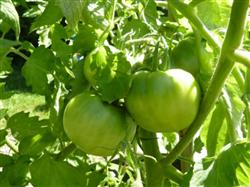
Summer Tomato Cultivation Techniques to Prevent Vine Decline
How to prevent vine decline in summer tomatoes? Here are the methods. In summer, high temperatures and frequent rain cause severe vine decline in tomatoes. During the over-summering period, the "two changes, three timely" management measures should be adopted to prevent vine decline. Change the cultivation method: change flat-bed cultivation to ridge cultivation, which can prevent tomato roots from being waterlogged and declining. For those already using flat-bed cultivation, you can...
-
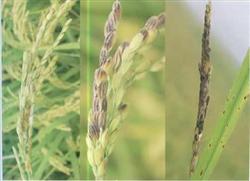
Why does rice produce empty and blighted grains, and how should it be prevented and controlled?
Why does rice produce empty and blighted grains, and how should it be prevented and controlled? Please give a detailed introduction. Under normal conditions, the rate of empty and blighted rice grains is generally 10%-20%, and in severe cases can reach 40%, which greatly affects rice yield. 1. Causes of formation. The rate of empty and blighted rice grains is mainly affected by 3 factors. 1. Climatic...
-
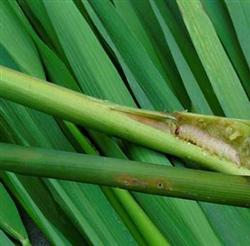
What are the prevention methods for the rice stem borer (Chilo suppressalis)?
How to prevent the rice stem borer (Chilo suppressalis)? Please provide an introduction to the methods. The following methods can be used for preventing the rice stem borer (Chilo suppressalis): 1. Agronomic measures. When damaged plants with dead leaf sheaths, dead hearts, or dead panicles are found, they should be pulled out promptly, which not only reduces the number of insects but also prevents larvae from moving to other plants to cause damage. 2. Chemical control. When the control threshold is re...
-
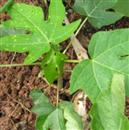
Papaya Cultivation Techniques: How to Prevent and Control Papaya Seedling Root Rot?
How to prevent and control papaya seedling root rot? Please explain. Papaya root rot is also called papaya root rot disease. Symptoms: This disease mainly affects the root collar and roots. Seedlings during the nursery period and those planted not long ago are more susceptible. It is especially likely when the groundwater level in the nursery and cultivation area is high or poor drainage causes waterlogging, and when the soil is highly clayey. Affected plants...
-

Prevent chrysanthemum powdery mildew early, and only after the Start of Autumn can a hundred flowers be killed
Chrysanthemum powdery mildew is one of the common diseases of flowers, and it is distributed in both southern and northern China. Chrysanthemum powdery mildew can cause poor plant growth, dead leaves, and even failure to bloom, seriously affecting greening, beautification effects and flower production...
-
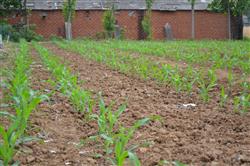
What problems should be prevented during the cultivation of summer corn?
What should be prevented when planting summer corn? Please note that the main things to prevent when planting summer corn are the following: First, prevent fertilizer deficiency. The high-yield characteristics of summer corn plants at the ear stage are thick stalks, short internodes, wide and thick leaves, strong and upright leaves, dark green leaf color, and a well-developed root system. If the leaves show a tendency to turn yellow at the ear stage, prevent late-stage fertilizer deficiency and premature aging....
-
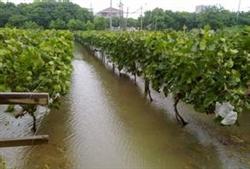
Why do grapes need flood prevention in summer? A detailed explanation of grape cultivation techniques
Why do grapes need flood prevention in summer? Please explain the reasons and how to prevent flooding. After grapes are submerged, yellowing leaves, leaf drop, fruit drop, and fruit cracking appear in the early stage; prolonged soaking of the root system in water causes leaf curling, winter bud sprouting, root asphyxiation leading to root rot, and the whole plant wilting and dying. I. Preventive measures...
-
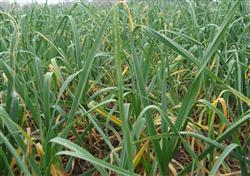
Garlic Cultivation Techniques: How to Prevent and Control Garlic Leaf Blight?
How to prevent and control garlic leaf blight? Please provide an introduction to the methods. An introduction to garlic leaf blight and its control methods for reference: 1. Symptoms: It mainly affects leaves or flower stalks. Leaf infection mostly starts at the leaf tip or other parts of the leaf, initially appearing as small round white spots that expand into irregular or elliptical grayish-white or grayish-brown lesions, on which...
条件筛选