What methods can prevent and control autumn tomato fruit rot
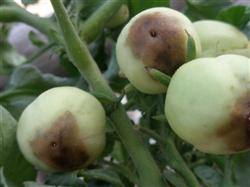
What methods can prevent autumn tomato fruit rot? Please advise on fruit rot caused by cottony leak. First, smooth light brown spots appear on the top or shoulder of the fruit, sometimes with a small amount of white mold, then gradually form concentric ring patterns, gradually turning dark brown, and the flesh under the skin also turns brown; in the later stage the entire fruit rots and drops off. Prevention and control...
What methods can prevent autumn tomato fruit rot? Please advise
Fruit rot caused by cottony leak. First, smooth light brown spots appear on the top or shoulder of the fruit, sometimes with a small amount of white mold, then gradually form concentric ring patterns, gradually turning dark brown, and the flesh under the skin also turns brown; in the later stage the entire fruit rots and drops off. Control measures: remove diseased fruits promptly and take them out of the field for disposal; pay attention to pruning to improve field ventilation and light penetration; at the early stage of the disease, promptly spray 25% Ridomil at 800-1000 times dilution or 75% chlorothalonil at 600-800 times dilution once every 7-10 days, for 3-4 consecutive sprays.
Fruit rot caused by soft rot. Soft rot mostly occurs on green fruits; after infection the fruit skin remains intact, but the internal flesh rapidly rots and has a foul odor, and the fruit easily drops off; after drying, white mummified fruits form. Control measures: prune and remove side shoots early, avoiding pruning in rainy weather or before the dew has dried; promptly control fruit-boring pests to reduce insect wounds; before the disease occurs or at its early stage, promptly spray 150-200 ppm agricultural streptomycin solution or 200-400 ppm agricultural chloramphenicol solution for control.
Fruit rot caused by anthracnose. Anthracnose mainly infects immature fruits; in the early stage the diseased part shows small transparent water-soaked spots, which after expansion become brown, slightly sunken, with concentric rings, densely covered with black dots, and secrete a light red viscous substance, and finally the entire diseased fruit rots or drops off. Control measures: harvest healthy fruits at the proper time and remove diseased fruits promptly; before the disease occurs or at its early stage, promptly spray 70% mancozeb at 400-600 times dilution or 75% chlorothalonil at 600-800 times dilution for control.
Fruit rot caused by Fusarium fruit rot. Fusarium fruit rot mainly damages ripe fruits; the diseased part is initially light colored, then turns brown, with no obvious margin, and after expansion covers the entire fruit; control measures: remove diseased fruits promptly and dispose of them in a centralized manner; prevent healthy fruits from touching the ground; spray 50% DT at 500 times dilution before the fruits color.
Fruit rot caused by Rhizoctonia fruit rot. Rhizoctonia fruit rot only damages ripe fruits; the diseased part is initially light colored and water-soaked, then expands into dark, slightly sunken patches, with a brown spiderweb-like mold layer on the surface, and in the later stage the center of the lesion cracks and the fruit rots. Control measures: drain promptly after rain to prevent waterlogging in the field; harvest promptly after the fruits mature; before the disease occurs or at its early stage, spray 5% validamycin at 1500 times dilution.
Click to get more tomato growing techniques
Click to get more vegetable growing techniques