What to Do About Spindly Greenhouse Tomatoes? Detailed Prevention and Control Methods
What to do about spindly greenhouse tomatoes? Please advise. The main causes of spindly or stunted seedlings in greenhouse tomato cultivation are insufficient light, excessively high temperatures and excessive moisture. Once seedlings become spindly or stunted, the harm is considerable. Spindly seedlings differentiate flower buds late, drop many flowers, have a low survival rate, and suffer major yield reductions, while early maturity cannot be achieved...
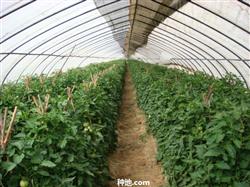
What to do about spindly greenhouse tomatoes? Please advise.
The main causes of spindly or stunted seedlings in greenhouse tomato cultivation are insufficient light, excessively high temperatures and excessive moisture. Once seedlings become spindly or stunted, the harm is considerable. Spindly seedlings differentiate flower buds late, drop many flowers, have a low survival rate, and suffer major yield reductions, while early maturity cannot be achieved.
Measures to prevent spindly seedlings mainly involve enhancing light and lowering temperature, along with appropriately controlling moisture. When seedlings grow densely, they should be pricked out in time; in the later stage of raising seedlings, the spacing between plants and rows can be increased to prevent excessive shading. On cold, overcast days, the covering should be partly opened to let the seedlings receive light, and when outside temperatures are suitable, the covering should be removed entirely so the seedlings receive full light. As for temperature conditions, management must strictly follow the temperature required at each stage of seedling growth, with timely ventilation and cooling.
When seedling growth and development are inhibited, stunted seedlings often appear. The characteristics of stunted seedlings are: short plants, straight stems, small leaves, difficulty developing new roots, abnormal flower bud differentiation with easy flower and fruit drop, and slow recovery after transplanting. Stunting often occurs when seedlings are raised in cold frames, mainly because the seedling age is too long and the seedlings remain under low-temperature and drought conditions for a long time.
Measures to prevent seedling stunting: first, change from restraining seedling growth to promoting it, giving seedlings suitable temperature and moisture conditions to promote rapid growth. Practice has shown that with controlled seedling-raising methods such as factory seedling production and electrically heated hotbed seedling raising, stunting rarely occurs. Second, when using cold frames to raise seedlings, raise the air and low temperatures of the seedbed as much as possible and water appropriately; do not overly restrict fertilizer and water. For seedlings that have already become stunted, measures such as raising the bed temperature and watering appropriately can be taken.
Click to get more tomato growing techniques
Click to get more vegetable growing techniques