-
Fragrant Solomon's Seal: Growing Methods and Points to Note
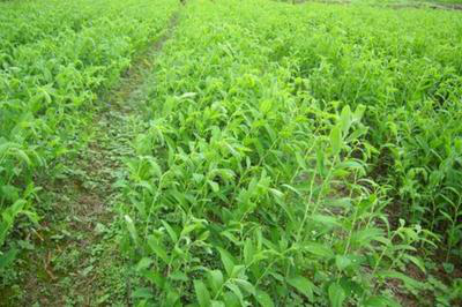
1. Soil. Fragrant Solomon's Seal is suited to growing in deep, well-drained, slightly acidic sandy soil. When planting, also be careful to change the soil every other year, so as to ensure the nutrients needed for the growth of Fragrant Solomon's Seal are supplied. 2. Seed germination. Before sowing Fragrant Solomon's Seal, the seeds must first be germinated.
-
What should be noted when growing hollyhocks
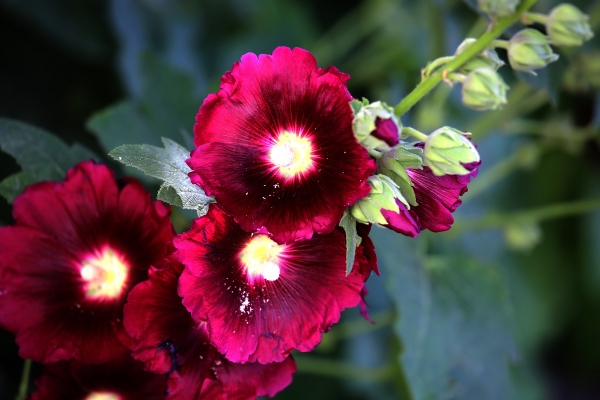
When growing hollyhocks, to prevent the plants from staying short and lodging, we need to cut the roots around the plants in a cone shape with a spade around June, cutting the roots once every 2-3 weeks, then water immediately for care. When the fruit turns yellow and ripe, it should be harvested immediately to prevent the seeds from scattering. After the flowering period ends
-
How to Grow and Care for Calathea orbifolia: Methods and Things to Note
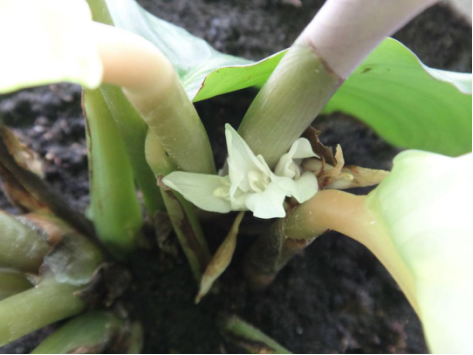
Temperature Calathea orbifolia loves a warm and stable environment, so its resistance to heat is very low, but Calathea orbifolia is not only afraid of high temperatures, its cold tolerance is also very poor. Therefore, the most suitable temperature range for the growth of Calathea orbifolia is 18-30°C. In late spring and early summer, once the ambient temperature exceeds 25°C
-
What are the key points to note when growing Peperomia clusiaefolia?
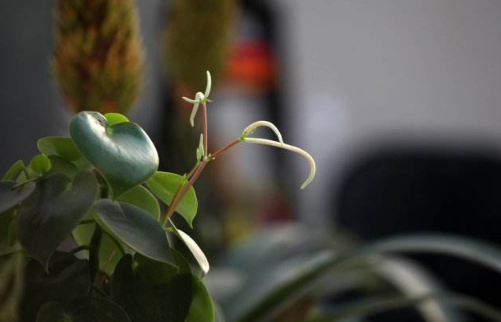
Diseases During the growth of Peperomia clusiaefolia, it is important to watch out for root rot and stem rot caused by overly wet potting soil, and anthracnose caused by air that is too humid. The growing environment needs to be kept well ventilated, and medication should be sprayed on for treatment. This article ends here, and I hope interested friends will show plenty of support.
-
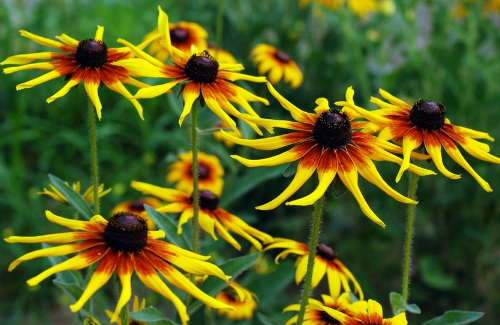
How to Grow Black-Eyed Susan and Things to Note
1. Soil: Because black-eyed Susan has strong adaptability, it is not demanding about soil; the soil only needs to be loose, airy and well-draining. We generally choose sandy soil, which is very suitable for the growth of black-eyed Susan. 2. Temperature: Black-eyed Susan likes a warm and well-ventilated growing environment.
-
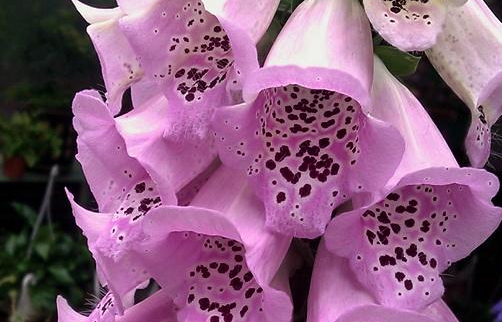
How to grow foxglove and things to note
Light: Foxglove loves sunlight very much, but it is not averse to slightly shady environments, and even likes them somewhat, though be careful the environment cannot be too shady. If it does not get enough light, the plant will grow leggy, affecting its appearance. Pay special attention to strengthening light when the plant is blooming
-

How to Grow Dwarf Lilyturf (Ophiopogon japonicus) and Points to Note
Timing The time for planting dwarf lilyturf is generally chosen on a clear evening or on a cloudy day, since the sunlight on such days is usually not too intense. At this point we need to plant the dwarf lilyturf seedlings in the soil. Note that when planting, the plant's roots should be vertical to the ground. After planting,
-
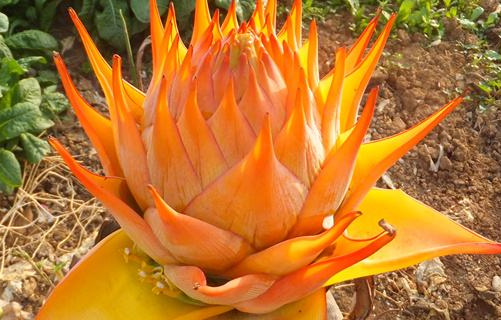
How to grow Musella lasiocarpa and things to note
Temperature: Musella lasiocarpa likes to grow in a warm environment, so in winter you need to keep the plant warm to prevent frost damage, as its cold tolerance is rather poor. Light: Musella lasiocarpa is very fond of sunlight, and during the growing season it needs to receive enough light to grow healthily; note that in summer
-
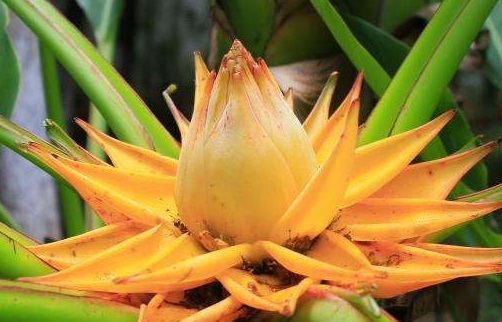
What are the key points to note when growing Musella lasiocarpa?
There are strict requirements for watering Musella lasiocarpa: water moderately, do not overwater or let water accumulate in the pot, and do not leave the plant outside on rainy days, so as to avoid water accumulating in the pot; if water does accumulate in the pot, it can easily cause the plant's roots to rot. Musella lasiocarpa has very poor cold tolerance.
-

What are the key points to note when growing yam? Keep these in mind
Key points to note when growing yam
条件筛选