How to Grow Dwarf Lilyturf (Ophiopogon japonicus) and Points to Note
Timing
The time for planting dwarf lilyturf is generally chosen on a clear evening or on a cloudy day, since the sunlight on such days is usually not too intense. At this point we need to plant the dwarf lilyturf seedlings in the soil. Note that when planting, the plant's roots should be vertical to the ground. After planting, firm the soil so that the roots of the dwarf lilyturf are firmly anchored in the soil. Once this is done, water the plant immediately to settle it in.
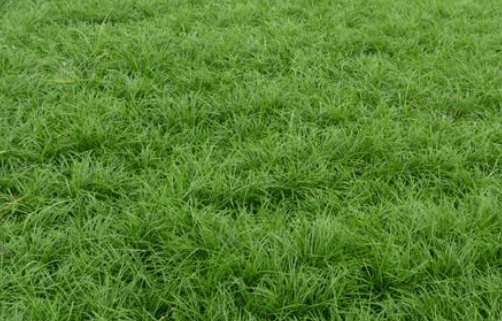
Loosening the Soil and Weeding
After the seedlings are planted, it takes about 15 days to determine whether the plants have survived. If they have, loosen the soil once and remove the surrounding weeds. After that, weed once every month, and it is best to do this work on a sunny day.
Fertilizing
Dwarf lilyturf has a fairly high demand for fertilizer, so we should fertilize it sensibly. Generally, fertilizing three times a year is enough, choosing to fertilize in July, August and November.
Watering
Dwarf lilyturf also has a fairly high water requirement, so it should be watered in good time. Dwarf lilyturf prefers cool, damp, shaded environments, so when growing it we should pay attention to providing shade.
The above covers how to grow dwarf lilyturf. Below, let us look at what else needs attention.
Dwarf Lilyturf Ophiopogogon japonicus (L. f.) Ker-Gawl Dwarf Lilyturf Illustrated Guide: How to grow dwarf lilyturf / How to propagate dwarf lilyturf
Dwarf Lilyturf ProfileDwarf Lilyturf Ophiopogogon japonicus (L. f.) Ker-Gawl
How to Grow Dwarf Lilyturf and Points to Note An Introduction to Dwarf Lilyturf
Dwarf lilyturf, Ophiopogogon japonicus (L. f.) Ker-Gawl., is a plant of the Liliaceae family. It is both a medicinal plant of traditional Chinese medicine, with its tuberous roots used medicinally. It has the effects of nourishing yin and clearing heat, and moistening the lungs to relieve cough. Modern medicine holds that dwarf lilyturf has cardiotonic, diuretic and antibacterial effects. It is mainly used for damage to body fluids from febrile disease, restlessness, thirst, dry throat, dry cough from lung heat, hemoptysis from pulmonary tuberculosis, sore throat and other conditions. It is also the first choice variety for garden landscaping ground cover plants. In recent years, due to continuously increasing market demand, supply has fallen short of demand. Dwarf lilyturf is mainly produced in Zhejiang, Sichuan, Fujian, Jiangsu, Anhui and other provinces. It was originally wild and is now cultivated to some extent.
Dwarf lilyturf is a perennial, evergreen herbaceous plant of the Liliaceae family, widely distributed on hillside understory, beside gullies and streams, and in rock crevices in both southern and northern China. The roots of dwarf lilyturf are thick, with the tip or middle often swollen into spindle-shaped small tuberous roots, and the stem is shortened. The flowers are pale purple and the fruit is blue. It is highly adaptable and grows well both in strong light and in shade. It tolerates poor soil and rough management, and the clumps are low, the plant form is attractive, and the leaves are fine. As a ground cover plant, it has been promoted fairly quickly. Dwarf lilyturf is a perennial herb, 12-40 cm tall, with the middle or tip of the fibrous roots often swollen to form fleshy small tuberous roots. The leaves grow in clumps; the petiole is sheath-like with a membranous edge; the leaf blade is narrowly linear, with many fibrous remnants of old leaves at the base, the leaf is 15-40 cm long and 1.5-4 mm wide, with an acute or acuminate apex, and the base is greenish-white and slightly expanded. The scape is shorter than the leaves, 7-15 cm long; the inflorescence is a raceme, spicate, terminal, 3-8 cm long; the bracteoles are membranous, and each bract axil bears 1-3 flowers; the pedicel is 3-4 mm long, and the joint is located above the middle or near the middle; the flowers are small, pale purple, slightly nodding, with 6 tepals that do not spread out, lanceolate, about 5 mm long; there are 6 stamens, and the anthers are triangular-lanceolate; the ovary is semi-inferior, 3-locular, and the style is about 4 mm long, broad at the base and slightly conical. The berry is spherical, 5-7 mm in diameter, green early on and dark blue when mature. The flowering period is May-August, and the fruiting period is July-September. 2. Dwarf lilyturf (Ophiopogon japonicus) is similar in morphology to the above species; the main differences are: the scape is usually slightly shorter than the middle leaves or nearly equal in length; the tepals spread out more or less when the flower is in full bloom; the style is slender and cylindrical, not broad at the base.
Morphological Characteristics of Dwarf Lilyturf
Dwarf lilyturf is divided into large-leaf dwarf lilyturf and small-leaf dwarf lilyturf, also known as Ophiopogon japonicus, ribbon grass and dwarf lilyturf tuber, with thick, sturdy roots. It prefers a warm, humid environment. With abundant rainfall and a long frost-free period, dwarf lilyturf grows well. It is relatively cold-tolerant, will not freeze to death at -10°C, and can overwinter outdoors in the south. It requires loose, fertile, well-drained sandy loam with a deep soil layer.
Places that are too sandy or too clayey, or low-lying and waterlogged, are unsuitable for planting. Continuous cropping is avoided, and the rotation period should be 3-4 years. Dwarf lilyturf has a long growing period and a short dormant period. It roots twice a year: the first time in July, the second time in September-November, with November being the tuberous root swelling period; after the temperature rises at the end of February, the tuberous roots swell more rapidly. The seeds have a certain dormant characteristic; low temperatures of around 5°C for 2-3 months can break dormancy and allow normal germination. Seed viability is 1 year.
Dwarf lilyturf is a perennial herbaceous plant, 14-30 cm tall. The rhizome is slender, creeping and jointed, with white scales at the nodes; the fibrous roots are numerous and relatively tough, slightly yellow, with the tip or middle often swollen into fleshy tuberous roots, spindle-shaped or long-elliptical. The leaves grow in clumps, narrowly linear, with pointed tips and greenish-white, slightly expanded bases. The flowering stem is drawn out from the leaf clump and is shorter than the leaves; the inflorescence is a raceme, with 1-3 flowers borne in each bract, 6 tepals, pale purple, occasionally white, small; 6 stamens, 1 pistil, the ovary semi-inferior, 3-locular. The berry is spherical, blue-black when mature; 1 seed, spherical, blue-green or yellow-brown. The flowering period is July-August, and the fruiting period is August-October.
Ecological Habits of Dwarf Lilyturf
Dwarf lilyturf prefers a warm, humid and relatively shaded environment. It is cold-tolerant and avoids strong light and high temperatures. When flowers appear in July, the underground tuberous roots begin to form, and September-October is the peak rooting period. Store the seeds and mind the timing; long-term storage will reduce seed viability, making sowing unsatisfactory. Dwarf lilyturf stays green in winter and does not shed its leaves all year round, making it an important medicinal and landscaping plant.
Cultivation Techniques of Dwarf Lilyturf: Site Selection and Soil Preparation
It is best to plant in loose, fertile, moist, well-drained neutral or slightly alkaline sandy loam; waterlogged, low-lying land is not suitable for planting. Continuous cropping is avoided. The previous crop is best a leguminous plant such as broad bean, yellow sweet clover, or a cereal crop. Apply 3000 kg of farmyard manure per mu, together with 100 kg of superphosphate and 100 kg of decomposed cake fertilizer as a base fertilizer, plow deeply to 25 cm, break up the soil and rake it level, and make flat beds 1.5 m wide.
Propagation Methods
Propagate by dividing small clumps. Planting is generally done from late March to late April. Select vigorous, pest-free, tall and strong seedlings, cut off the tuberous roots and fibrous roots, as well as the leaf tips and old rhizomes, pat the base of the stem loose so that it separates into individual plants, and cut away the remaining old stem nodes, until the cut surface at the base shows a white radial flower center (commonly known as chrysanthemum heart) and the leaves do not spread apart. Open holes at a row spacing of 20 cm and a hole spacing of 15 cm, with a hole depth of 5-6 cm, and plant 2-3 seedlings per hole. The bases of the seedlings should be aligned and planted vertically, then firm the soil on both sides with the feet so that the ground is level and the seedlings are upright, and water promptly. About 200-250 sq m of seedlings are needed per mu.
Field Management
(1) Intertillage and weeding. Generally carried out 3-4 times a year, preferably on sunny days. It is best to weed frequently, and at the same time prevent the soil from becoming compacted.
When annual broadleaf weeds and sedge family weeds such as purple nutsedge occur in dwarf lilyturf lawns, Conglan Maidong Kuosuojing can be used for control: use 40 g of Conglan Maidong Kuosuojing per 660 sq m diluted in 30 kg of water for uniform spraying, which can control broadleaf weeds and sedge family weeds below the 5-leaf stage. When grass family weeds such as crabgrass and foxtail occur in dwarf lilyturf lawns, Dashahе can be used for control: use 60 ml of Dashahе per 660 sq m diluted in 30 kg of water for uniform spraying, which can effectively control annual grass family weeds below the 9-leaf stage [6].
(2) Topdressing. Dwarf lilyturf has a long growing period and a high fertilizer demand. Generally starting in May each year, topdress 3-4 times together with loosening the soil, mainly with farmyard manure, supplemented with a small amount of compound fertilizer.
(3) Drainage and irrigation. After planting, keep the soil moist regularly to encourage emergence. In July-August, irrigation can be used to lower the temperature and protect the roots, but waterlogging should be avoided, so irrigation water and rainwater should be drained promptly.
Propagation Methods of Dwarf Lilyturf
Propagate by dividing small clumps.
Planting is generally done from late March to late April. Select vigorous, pest-free, tall and strong seedlings, cut off the tuberous roots and fibrous roots, as well as the leaf tips and old rhizomes, pat the base of the stem loose so that it separates into individual plants, and cut away the remaining old stem nodes, until the cut surface at the base shows a white radial flower center (commonly known as chrysanthemum heart) and the leaves do not spread apart. Open holes at a row spacing of 20 cm and a hole spacing of 15 cm, with a hole depth of 5-6 cm, and plant 2-3 seedlings per hole. The bases of the seedlings should be aligned and planted vertically, then firm the soil on both sides with the feet so that the ground is level and the seedlings are upright, and water promptly. About 200-250 sq m of seedlings are needed per mu.
Disease Control of Dwarf Lilyturf
The main diseases of dwarf lilyturf are leaf blight and black spot, which generally first appear in mid-April and mainly damage the leaves; they can be controlled by spraying 1:1:150 Bordeaux mixture per mu. The main pests of dwarf lilyturf are mole crickets, cutworms, white grubs and others; they can be controlled by drenching the roots with 0.5 kg of 40% isofenphos-methyl or 50% phoxim emulsifiable concentrate diluted in 750 kg of water per mu.
(1) Black Spot
The pathogen is a kind of fungus imperfecti. In the early stage of the disease, the leaf tips turn yellow and spread downward, producing water-soaked lesions of varying colors, blue and white; in the later stage the entire leaf turns yellow and dies.
Control methods:
① Use disease-free seedlings, and before planting soak the seedlings for 5 minutes in 1:1:200 Bordeaux mixture, or in 500 times dilution of 65% zineb wettable powder.
② Strengthen field management and drain standing water promptly.
③ During the disease period in the field, cut off the diseased leaves and spray 1:1:100 Bordeaux mixture once every 10-14 days, for 3-4 times in a row.
(2) Root-knot Nematode Disease
The pathogen is a kind of root-knot nematode of the class Nematoda, phylum Nemathelminthes. It mainly damages the roots, causing galls, which shortens the fibrous roots that bear dwarf lilyturf tubers; in the later stage the root surface becomes rough, cracks, and turns reddish-brown. Cutting open the swollen part reveals a large number of milky-white, shiny spherical bodies, which are the female adults.
Control methods:
① Practice crop rotation; where conditions permit, rotate between paddy and dry land, avoid rotating with crops such as flue-cured tobacco, Chinese milk vetch, cowpea, taro, sweet potato, cucurbits, monk fruit, largehead atractylodes, Danshen and belladonna, and it is best to rotate with grass family crops.
② Use disease-free seedlings and cut away all old roots.
③ Choose disease-resistant varieties, such as large-leaf dwarf lilyturf, Ophiopogon japonicus, and Sichuan Suining dwarf lilyturf.
④ Soil treatment can be used for control.
Dietary or Medicinal Value of Dwarf Lilyturf
The medical information and health dietary information on Hugarden website is for reference only and cannot be used as a basis for diagnosis or medical treatment. For any health problem, consult professional medical personnel, and for the treatment of any disease, follow the doctor's advice.
Ultimate flower-care mission: love yourself, start from reality, and strictly follow the doctor's advice. Toward illness, do not be careless, do not delay, do not give up hope; face it bravely, warm the silent world with love, and care for the flower field within your heart with care.
Medicinal Value
Dwarf lilyturf is sweet in taste with a slight bitterness, and cold in nature. Its functions are to nourish yin and moisten the lungs, benefit the stomach and promote fluid production, and clear the heart and relieve restlessness. It can be used for the treatment of conditions such as dry cough from lung heat, dry throat and sore throat, blood-streaked sputum, constipation, stomach pain, restlessness and insomnia. Modern pharmacology of Chinese medicine has confirmed that dwarf lilyturf contains various steroidal saponins as well as amino acids, glucose, vitamin A and B-sitosterol, mucilage, potassium, sodium, calcium, magnesium, zinc, chromium and others. It can increase coronary flow, has a clear protective effect on myocardial ischemia, improves myocardial contraction, reduces myocardial oxygen consumption, resists arrhythmia, and prevents and treats cardiovascular diseases. In addition, it has a certain sedative and blood-sugar-lowering effect (it can protect damaged pancreatic islet cells and help them recover, and increase liver glycogen), and also has the effects of improving the body's ability to resist hunger, enhancing immunity, prolonging the duration of antibodies, and scavenging free radicals in the body to resist aging.
Dietary health care: Pharmacological experiments show that dwarf lilyturf improves the hypoxia tolerance of mice under low-pressure hypoxia conditions, can improve myocardial ischemia and hypoxic damage, increase coronary blood flow, and improve cardiac hemodynamic effects. It can prevent the occurrence of arrhythmia after myocardial infarction, reduce myocardial oxygen consumption, increase myocardial energy supply, resist thrombosis and improve microcirculation, and limit the extent of myocardial infarction. For example, Shengmai San, made in combination with ginseng and Schisandra chinensis, has good efficacy in resisting shock and improving cardiac function. It also has antibacterial, expectorant and antitussive, cardiotonic and diuretic effects. Dwarf lilyturf can coordinate insulin function, lower blood [sugar], and promote the recovery of pancreatic islet cells to normal. In addition, dwarf lilyturf has a certain sedative effect and also has the effect of improving the body's immunity.
Recommended recipe: Codonopsis and Dwarf Lilyturf Lean Pork Soup. Ingredients: 500 g lean pork, 60 g Codonopsis pilosula, 30 g Rehmannia glutinosa (raw), 30 g dwarf lilyturf, 10 red dates.
Preparation:
(1) Wash the Codonopsis pilosula, raw Rehmannia, dwarf lilyturf and red dates (remove the pits).
(2) Wash the lean pork and cut it into pieces.
(3) Put all the ingredients into a pot, add an appropriate amount of clear water, bring to a boil over high heat, then simmer over low heat for 1 hour, season and serve.
Features: This soup has the effect of nourishing yin fluid and moistening dryness. In the soup, Codonopsis pilosula is sweet and neutral in nature, and has the effect of strengthening the spleen, benefiting qi and promoting fluid production. Raw Rehmannia is sweet and cold in nature and moist in quality, and has the effect of nourishing yin, nourishing blood and moistening dryness. Dwarf lilyturf is sweet in nature with a slight bitterness, and nourishes yin, promotes fluid production, moistens the lungs and clears the heart. All three above are moist in quality, and combined with lean pork to nourish and moisten dryness, and red dates to strengthen the spleen and benefit the stomach. Combined into a soup, it has the effect of increasing fluids and moistening, and nourishing the stomach and promoting fluid production.
Dietary suitability: 6 g to 12 g each time. It is even better for those with fluid damage and thirst, internal heat and wasting thirst, intestinal dryness and constipation, and restlessness and insomnia.
Dietary reminder: It is contraindicated for anyone with deficiency-cold of the spleen and stomach with diarrhea, phlegm-fluid and damp turbidity in the stomach, or cough from sudden exposure to wind-cold. Dwarf lilyturf is incompatible with black wood ear, and the two should not be used together.
Therapeutic Effects
Chinese medicine holds that dwarf lilyturf is sweet and slightly bitter in taste, and cold in nature. It enters the heart, lung and stomach meridians. It has the effects of clearing the heart and moistening the lungs, and nourishing the stomach and promoting fluid production. It is used for damage to body fluids from febrile disease, consumptive disease with restlessness and heat, dry throat and dry mouth, dry cough from lung dryness, hemoptysis from pulmonary tuberculosis, pulmonary abscess, pulmonary atrophy, wasting thirst, intestinal dryness and constipation and other conditions. Since the early 21st century it has also been used to treat coronary heart disease, atrophic gastritis and others. As early as 3000 years ago, it was already recorded in the ancient book Erya. Its medicinal use was first recorded in the Shennong Bencao Jing of the Han Dynasty, where it was listed as a top-grade drug, mainly treating "knotted qi in the heart and abdomen, damage to the middle and damage from overeating, severance of the stomach network vessels, emaciation and shortness of breath," and "taken over a long time it lightens the body, prevents aging and prevents hunger."
The Mingyi Bielu holds that it has effects such as "stopping vomiting, curing atrophy and limpness, strengthening yin and benefiting essence, dispersing food and regulating the middle, protecting the spirit, stabilizing lung qi, calming the five viscera, making people plump and strong, and beautifying the complexion." It is used to treat "heaviness of the body and yellow eyes, fullness and support below the heart, consumptive disease with guest heat, dry mouth and vexing thirst" and other conditions. The Rihua Zi Bencao says that dwarf lilyturf has the effects of calming the soul and stabilizing the ethereal soul, and relieving cough, and can treat the five taxations and seven injuries, epidemic manic heat, and headache.
The Bencao Gangmu introduces: "Maimendong, with Rehmannia as its guide, taken by a person keeps the hair from turning white, supplements the marrow, frees the kidney qi, settles panting, makes the body smooth and glossy, and removes all foul and unclean diseases of the body." For the medicinal material, that with a pale yellow surface, plump tuberous roots, soft texture, sweet taste, and a sticky feel when chewed is considered best.
Modern pharmacological research shows that dwarf lilyturf contains various steroidal saponins such as ophiopogonin A, B, C and D, among which the aglycones of saponins A, B and D are all ruscogenin. In addition, it also contains beta-sitosterol, stigmasterol, amino acids, glucose and vitamin A-like substances.
Pharmacological Effects
1. It has an effect against experimental myocardial infarction.
2. It has cardiotonic effects, acts against Gram-negative bacillus endotoxin, and improves the phagocytic effect of the body's reticuloendothelial system.
3. It has a blood-sugar-lowering effect.
4. It has a relatively strong inhibitory effect on Staphylococcus albus, Bacillus subtilis and Escherichia coli.
Chinese patent medicines made mainly from dwarf lilyturf include Shengmai Yin, Huangqi Shengmai Yin, Erdong Gao, Yangyin Qingfei Wan, Buxin Wan, Maiwei Dihuang Wan, Ningke Huatan Wan and others, all of which are widely used in clinical practice.
1. Pulmonary atrophy (pulmonary atelectasis, pulmonary fibrosis, asbestosis and others in modern medicine) of the deficient-heat type, with symptoms of coughing and spitting of frothy saliva that is relatively sticky, a weak cough sound, shortness of breath and panting, dry mouth and throat, emaciation, dry skin and hair, a red and dry tongue, and a vacuous and rapid pulse. Treatment method: nourish yin and clear heat, moisten the lungs and relieve cough. Prescription: Maimendong Tang, with dwarf lilyturf, ginseng, Pinellia ternata, sweet and cool-natured nourishing herbs, polished round-grained rice, and jujube.
2. True heart pain (acute myocardial infarction and its complications in modern medicine) of the qi-yin deficiency type, with symptoms of chest tightness and dull pain that worsens with exertion, palpitations, shortness of breath, dizziness and blurred vision and others. Treatment method: benefit qi and invigorate blood, nourish yin, and restore the pulse and promote fluid production. Prescription: Shengmai San, with ginseng, dwarf lilyturf and Schisandra chinensis. According to the needs of the condition, blood-invigorating drugs such as safflower and chuanxiong can be added.
3. Nephrotic syndrome of the yin-yang deficiency type. This type is mostly seen in child patients when the dose needs to be reduced after treatment with a full dose of hormones; the original yin deficiency symptoms have not disappeared, and yin deficiency symptoms gradually appear. Symptoms include a pale and lusterless complexion, mental fatigue and weakness, dizziness, reduced appetite, heat in the palms and soles, or dry throat and mouth, a somewhat red tongue body, a thin white or scanty coating, and a string-like pulse. Treatment method: benefit qi, nourish yin, and warm the kidney. Prescription: Maiwei Dihuang Tang or Wan, with prepared Rehmannia, Cornus officinalis, Chinese yam, tree peony bark, Alisma orientale, Poria cocos, dwarf lilyturf and Schisandra chinensis. Codonopsis pilosula, psoralea and other drugs can also be added according to symptoms.
4. Diabetes with clinical symptoms of constipation and thirst and dry mouth. Treatment method: nourish yin and promote fluid production. Prescription: dwarf lilyturf, raw Rehmannia, and Scrophularia ningpoensis.
5. Summer fever in children of the type where summerheat damages the lungs and stomach, with symptoms of long-term fever in summer, thirst, frequent urination, little sweating or no sweating, poor appetite and others. Treatment method: clear heat and relieve summerheat. Prescription: watermelon rind, dwarf lilyturf, Lophatherum gracile, and licorice.
Dietary Therapy Value
1. Dwarf Lilyturf Paste: 120 g each of dwarf lilyturf and asparagus fern, and 60 g of Schisandra chinensis; decoct in water, remove the residue and take the juice, add an appropriate amount of honey and white sugar, decoct again and concentrate into a paste, put it in a bottle for storage, take 1 tablespoon each time mixed with water, twice a day; it has the effect of moistening the five viscera and tonifying qi and strengthening the body.
2. Dwarf Lilyturf Wine: 100 g each of dwarf lilyturf and asparagus fern, add 2000 ml of water, decoct down to 1000 ml, filter, discard the residue, take the juice, add an appropriate amount of glutinous rice, ferment to make wine, take 2 tablespoons each time, twice a day; suitable for kidney deficiency and strain, cough and panting from lung heat, constipation from stomach heat, and irregular blood vessels.
3. Dwarf Lilyturf Porridge: 20 g each of dwarf lilyturf and ginger, and 15 g of raw Rehmannia; wash them, soak them in water that just covers the surface of the herbs, and after the herbs have absorbed enough water, mash them, wrap them in clean gauze, squeeze to extract the juice, adding water and squeezing again if there is little juice, to obtain a total of 300 ml of juice. Separately, put 100 g of rice and 4-50 g of coix seed into a pot together to cook porridge; when half-cooked, add the juice of dwarf lilyturf, Rehmannia and ginger, and cook until the medicinal center is thoroughly done; take it over the long term until the illness is cured. Suitable for dry cough from lung dryness, consumptive disease with restlessness and heat, dry throat and thirst, blood vomiting, constipation and others.
Distribution Area of Dwarf Lilyturf
Dwarf lilyturf has a well-developed root system, is drought-tolerant and highly adaptable, and can grow normally in places such as riverbanks, roadsides, tree pits, rock crevices, wall corners, flowerbed edges and the foot of hedges, playing a role in expanding green space, beautifying the landscape, and giving play to greater ecological functions.
Landscape Uses of Dwarf Lilyturf
Its use in gardens has a long history, and it has become popular at present with the nationwide development of ecological garden cities and economical landscaping work. With its broad adaptability, relatively high ornamental value, and notable ecological and economic benefits, dwarf lilyturf is highly praised by the landscaping departments of many provinces and cities, and has huge market development prospects. Based on engineering practice, we have summarized the main application approaches of dwarf lilyturf, which mainly include the following:
1. Green spaces and roadside flowerbeds remain emerald green all year round, and it can replace lawn, filling the gap of not having evergreen lawn and enhancing the landscape effect of "evergreen in all four seasons, flowers in three seasons."
2. Understory landscapes and multi-layered planting Dwarf lilyturf prefers a sparsely shaded environment and grows luxuriantly in shaded places. It is suitable for planting in the lower layer of multi-layered arrangements of trees, shrubs, flowers and grass, creating a natural ecological plant community.
It can effectively cover exposed soil under trees, improve poor understory landscapes, and increase the ecological benefit per unit area.
3. Greening of special spaces Through experimental observation, compared with traditional cold-season turfgrasses such as white clover and perennial ryegrass, tall fescue, Kentucky bluegrass and their mixtures, dwarf lilyturf has fewer diseases and pests, grows more robustly after one or two years, can grow normally relying only on natural rainfall, requires no pruning, and is very simple to manage; its promotion and application in landscaping can save a large amount of water fees and maintenance costs. According to estimates, under the condition of ensuring good growth, dwarf lilyturf saves more than 1/3 of water and 2/3 of management costs each year compared with white clover of the same area; compared with cold-season turfgrass of the same area, it saves 1/4 of water and 1/2 of maintenance costs.
Cultural Background of Dwarf Lilyturf
Dwarf lilyturf was first recorded in the Shennong Bencao Jing, where it was listed as a top-grade drug.
The Tujing Bencao says: "...the leaves are green like those of Cyperus, more than a chi long, not withering in all four seasons; the roots are yellow-white and have fibers, and the roots are like linked beads. In April it opens pale red flowers, like the flowers of red polygonum. The fruit is green and round like a bead..." The grass roots of dwarf lilyturf have fibers, like wheat; its leaves resemble leek leaves, and it does not wither in winter, hence the name Maimendong (wheat winter). Alternative names: Maimendong, Cundong, Cunmaidong. Food source: grows under hillside forests or beside streams. Mainly produced in Zhejiang and Sichuan, and now widely cultivated. It is also produced in Jiangsu, Guizhou, Yunnan, Guangxi, Anhui, Hubei, Hunan and other places, but mostly wild. Food nature story: contains various steroidal saponins: ophiopogonin A, B, C and D, whose aglycones are all ruscogenin. It also contains various highly flavonoid compounds, such as ophiopogon methylflavanone A and B, ophiopogon flavanone A, ophiopogon flavone A and B, methylophiopogon flavone A and B, dihydroophiopogon flavone A and B, methyl dihydroophiopogon flavone, 6-aldehyde isoophiopogon flavanone and 6-aldehyde isoophiopogon flavone A and B. It also contains adenosine, pyroglutamic acid, phytosterols and polysaccharides and others. In addition, it also contains volatile oil and others. Cultural allusion: In Yuzhou, dwarf lilyturf is called "Yu leek" by the people. There is a legend about the origin of the name Yu leek: after Yu the Great succeeded in controlling the waters, the crops in the fields had a bumper harvest, and the grain produced by the common people could not be eaten up, so Yu the Great ordered the surplus grain to be poured into the river, and a kind of grass grew in the river, namely dwarf lilyturf. People called this grass "Yu's leftover grain." Because this grass is produced in Yuzhou, and its leaves are narrow and slender, shaped like leek, it was called "Yu leek" and "Yu rosy cloud." This grass has the effects of "nourishing yin and promoting fluid production, moistening the lungs and relieving cough, and clearing the heart and relieving restlessness," so it is also called the "immortality drug."
Dwarf Lilyturf Pictures
Points to Note for Dwarf Lilyturf
Dwarf lilyturf has a very high water demand during the growing period. Increasing the amount of watering during the growing period of dwarf lilyturf helps the tuberous stems of dwarf lilyturf expand.
Dwarf lilyturf also needs sufficient light. Light is very important during the tuberous stem swelling period, and sufficient sunlight must be given during this period.
After understanding how to grow dwarf lilyturf and the points to note, we hope this can help friends who want to grow dwarf lilyturf and make your dwarf lilyturf more vigorous!