-
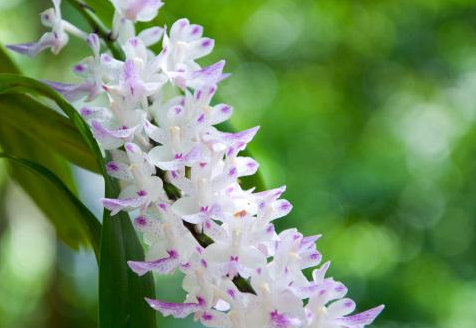
Falcata Aerides: Cultivation Methods and Points to Note
1. Soil: Generally choose a loose, breathable substrate; you can mix leaf mold, bark, or charcoal and river sand. 2. Light: Potted Falcata Aerides needs plenty of scattered light; it can receive two to three hours of light in the early morning, or the plant can be placed under a tree for cultivation, which is more conducive to blooming. 3. Temperature: Falcata Aerides prefers warmth
-
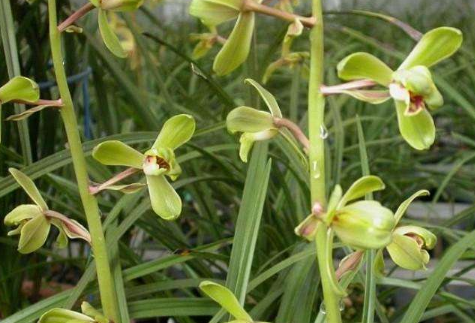
Cymbidium faberi cultivation methods and points to note
1. Soil: For flowers to grow well, the root system must first be well cared for, so the most suitable soil for Cymbidium faberi is fertile, loose humus soil, which is rich in nutrients and beneficial to root growth. 2. Light: Cymbidium faberi is the most light-loving type of orchid and can adapt to relatively strong light, but in summer it still needs shading, while in the other seasons it should be given more light.
-
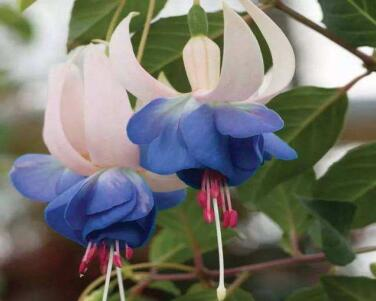
What are the key points to note when growing fuchsia
1. Air purification. Growing a potted fuchsia indoors not only decorates the indoor environment and makes it come alive, but also removes some harmful substances and purifies the indoor air. 2. Medicinal value. The fuchsia plant is a very good traditional Chinese medicinal material
-
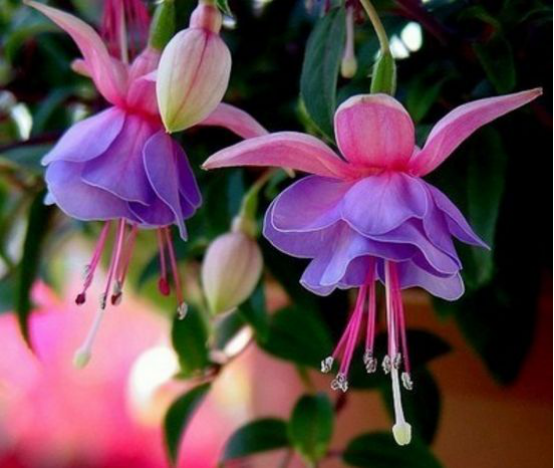
What are the key points to note when growing fuchsia?
(1) Increase fertilizer and water supply. Fuchsia grows quickly and blooms abundantly. Apart from not fertilizing during the hot summer, apply fertilizer once every 10-15 days at other times. In summer, place the plant under a shaded shed, frequently spray water on the leaves or sprinkle water on the ground, and improve ventilation. (2) Pay attention to temperature. Fuchsia is afraid of cold
-
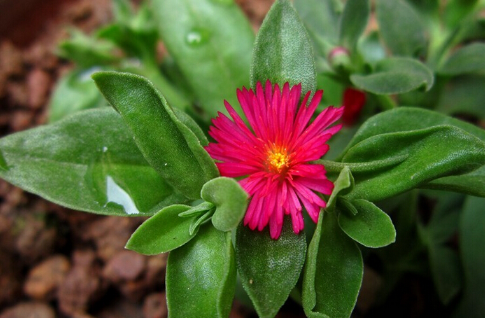
How to Care for Variegated String of Hearts (Aptenia cordifolia) After Cuttings and Key Points to Note
1. Watering After successful cuttings of the variegated string of hearts, there will be a period of acclimatization. During these 10 to 15 days, the amount of water must be kept low; simply water a little to keep the soil moist after it dries out. Only after the acclimatization period does watering return to normal, with watering once every 2 to 3 days in spring
-
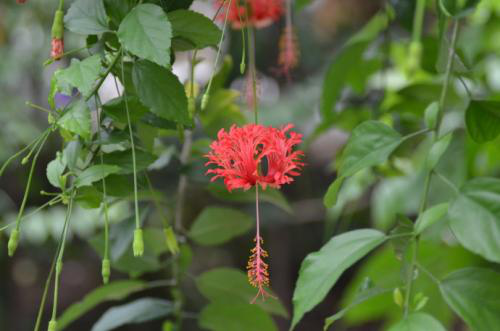
Notes on growing the hanging lamp hibiscus (Chinese lantern hibiscus) as a potted plant at home
1. Root-knot nematode disease. This is a widely distributed and seriously damaging disease, especially common when growing the hanging lamp hibiscus. When red-brown necrotic spots appear on the leaf edges and spread inward, you need to be on guard. At this point you can repot the soil and apply aldicarb granules to the new soil.
-
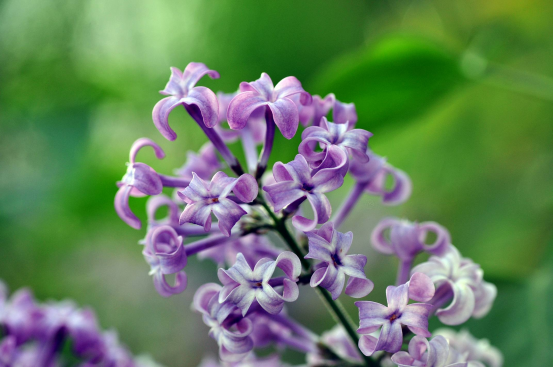
What are the key points to note when growing lilacs?
1. Lilac is a subtropical plant that prefers an island climate, and the average temperature for the plant should not be lower than 21°C. 2. If the temperature drops below 3°C, it will cause the lilac plant to die. 3. For growing lilacs, neutral soil is preferable; acidic soil should be avoided. It is not tolerant of waterlogging, so watering must be done with care and not too much.
-
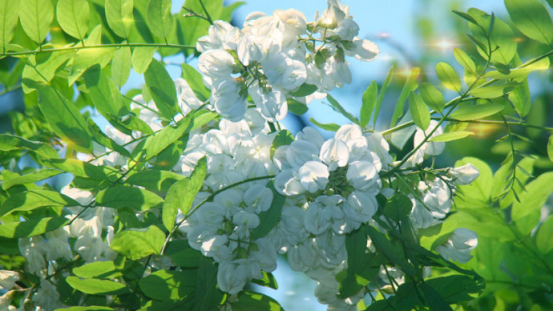
What should be noted when planting and caring for pagoda tree flowers?
1. Weed promptly. Grass usually grows around pagoda tree flowers, and the same is true for potted plants. We cannot use herbicides, because they would affect the growth of pagoda tree flowers. We can only weed manually by hand, removing the grass roots and all. 2. Prune promptly. Timely pruning helps keep the pagoda tree's shape beautiful.
-
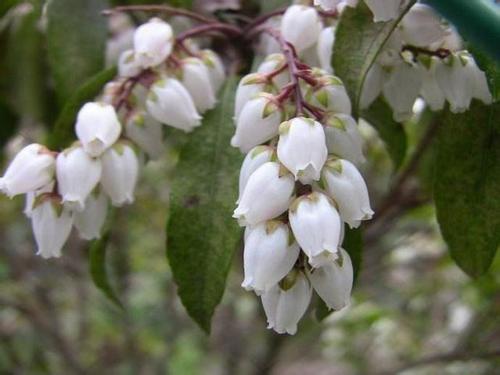
Is Pieris japonica Poisonous? Notes on Keeping It Indoors
After checking the relevant information, Pieris japonica does contain toxins, which is to say, Pieris japonica is poisonous, and the entire plant of Pieris japonica is toxic. If animals ingest it by mistake, they will show symptoms of vomiting and abdominal pain, and in severe cases it can also lead to problems such as coma and difficulty breathing. Although the whole plant of Pieris japonica is toxic
-
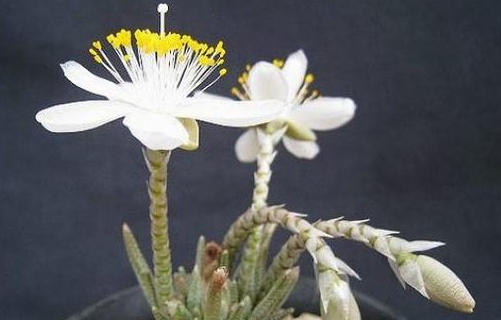
How to Grow White-Flowered Avonia quinaria? Care Methods and Things to Note
1. Potting soil: If we are rooting White-Flowered Avonia quinaria from cuttings, we need to choose a loose, fertile soil, and to prevent waterlogging and allow the roots to breathe, our soil also needs to have good drainage and aeration, so that the potting soil will not become waterlogged and the roots can breathe normally.
条件筛选