What are the key points to note when growing Musella lasiocarpa?
There are strict requirements for watering Musella lasiocarpa: water moderately, do not overwater or let water accumulate in the pot, and do not leave the plant outside on rainy days, so as to avoid water accumulating in the pot; if water does accumulate in the pot, it can easily cause the plant's roots to rot.
Musella lasiocarpa has very poor cold tolerance; once the temperature drops below 10 degrees it should be moved indoors immediately, so environments at higher latitudes are not very suitable for the growth of Musella lasiocarpa.
Musella lasiocarpa must not be exposed to strong, direct sunlight, so remember to place it in a shaded spot during summer.
How to grow Musella lasiocarpa, and key points to note during the growing process
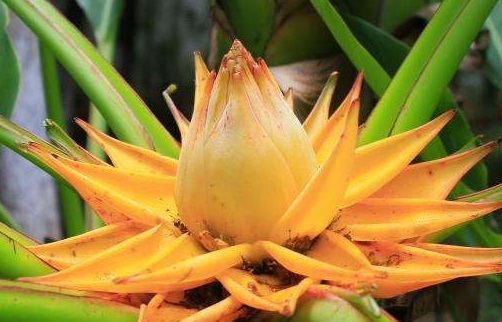
As a plant with many uses and very high ornamental value, Musella lasiocarpa is quite special. So, would you like to know what cultivation techniques there are for Musella lasiocarpa? Do you want to grow Musella lasiocarpa well? Today, we will get to know this plant, Musella lasiocarpa.
How to grow Musella lasiocarpa
Temperature: It likes a warm environment and is not cold-tolerant.
Light: During the high-temperature summer season, avoid direct sunlight. When the temperature is below 10°C, it should be moved indoors, preferably placed near a glass window where sunlight can reach it.
Soil: It is best to use soil that is fertile, loose and well-draining; Musella lasiocarpa likes loose yet fertile soil best.
Fertilizing: Musella lasiocarpa relatively likes fertile soil, so it also relatively likes fertilizer. Compost and barnyard manure are suitable fertilizers; in early spring, apply fertilizer at the root zone. In addition, superphosphate, plant ash, rice bran and other fertilizers should also be applied in small amounts. In late autumn, apply decomposed organic fertilizer.
Key points to note when growing Musella lasiocarpa
Musella lasiocarpa dislikes rain exposure or excessive watering that causes water accumulation.
Musella lasiocarpa is very intolerant of cold; once the temperature drops below 10 degrees it should be moved indoors immediately, so environments at higher latitudes are not very suitable for the growth of Musella lasiocarpa.
Musella lasiocarpa must not be exposed to strong, direct sunlight, so remember to place it in a shaded spot during summer.
The above is what I have learned today about herbaceous plants. I hope fellow flower lovers will find this article helpful after reading it. For more knowledge about herbaceous flowers, please continue to follow our Succulent Garden, and we will provide you with more related content as soon as possible!
How to grow Musella lasiocarpa and key points to note
How to grow Musella lasiocarpa
Temperature: It likes a warm environment and is not cold-tolerant.
Light: During the high-temperature summer season, avoid direct sunlight. When the temperature is below 10°C, it should be moved indoors, preferably placed near a glass window where sunlight can reach it.
Soil: It is best to use soil that is fertile, loose and well-draining; Musella lasiocarpa likes loose yet fertile soil best.
Fertilizing: Musella lasiocarpa relatively likes fertile soil, so it also relatively likes fertilizer. Compost and barnyard manure are suitable fertilizers; in early spring, apply fertilizer at the root zone. In addition, superphosphate, plant ash, rice bran and other fertilizers should also be applied in small amounts. In late autumn, apply decomposed organic fertilizer.
Key points to note when growing Musella lasiocarpa
Musella lasiocarpa dislikes rain exposure or excessive watering that causes water accumulation.
Musella lasiocarpa is very intolerant of cold; once the temperature drops below 10 degrees it should be moved indoors immediately, so environments at higher latitudes are not very suitable for the growth of Musella lasiocarpa.
Musella lasiocarpa must not be exposed to strong, direct sunlight, so remember to place it in a shaded spot during summer.