-
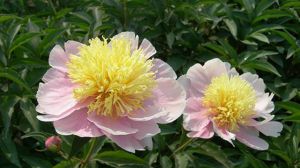
How to Grow Peonies? Detailed Guide to Cultivation Methods and Precautions
To grow peonies, use loose, fertile, acidic soil; do not choose alkaline soil. When the weather is dry or the temperature is high, just water appropriately. Ensure sufficient sunlight, and fertilize 3 times a year. For propagation, root cuttings and layering can be used. Prevent pests and diseases, and deal with them promptly once discovered.
-

How to Grow a Cactus (Ball Cactus)? A Complete Guide to Care Methods and Tips
To grow a ball cactus, use acidic or slightly acidic soil, keep the soil moist, and give it plenty of light except in summer. Fertilize mainly with phosphorus fertilizer, and do not apply too much. It can be propagated by cuttings or sowing. In addition, improve ventilation, control water properly, and prevent pests and diseases.
-

What are the cultivation methods and precautions for wintersweet?
Growing wintersweet requires loose, sandy soil rich in humus. It is quite afraid of waterlogging, so do not water until the soil is dry, and when you do water, water it thoroughly. The temperature should be kept at 16-23°C, and be sure to promptly prune diseased branches, dead branches and overly dense branches. Propagation can be done by sowing and division. After pests appear, they can be killed by spraying chemicals, and diseased leaves should be removed promptly.
-

How to grow tulips? Detailed guide to cultivation methods and precautions
For growing tulips, it is best to choose a slightly acidic sandy soil rich in humus, loose and with good drainage. During the growing period, there is no need to water as long as the soil stays moist. For fertilizing, decomposed garbage compost, various cake fertilizers and the like are generally used. It is best to give it about 8 hours of light every day. Propagation can be done by dividing bulbs and by sowing seeds. In addition, watch out for the appearance of diseases.
-

How to Grow Japanese Honeysuckle? A Detailed Guide to Japanese Honeysuckle Cultivation Methods
Growing Japanese honeysuckle requires fertile, moist soil. Generally, water it once every 3-5 days, increase watering appropriately in summer, and apply some cake fertilizer as a base fertilizer when repotting. It likes an environment with plenty of sunlight, but cannot be exposed to strong direct sunlight. It is generally propagated by cuttings, and attention should also be paid to preventing leaf spot disease, aphids, and other pests and diseases.
-
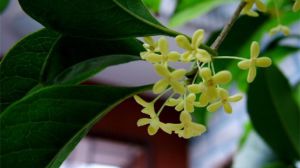
How to grow osmanthus? Detailed guide to cultivation methods and precautions
To grow osmanthus, use slightly acidic soil. Water sparingly before new shoots emerge, water less on cloudy and rainy days, and water more in dry summers. During the flower bud differentiation stage, it needs about 8 hours of light per day. After sprouting, apply diluted decomposed cake fertilizer water once every 10 days. Propagation can be done by seeding and cuttings. If diseases are found, take timely measures to deal with them.
-
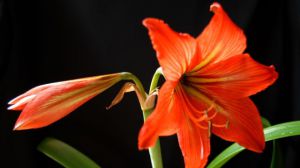
How to Grow Amaryllis? Detailed Guide to Growing Methods and Precautions
To grow amaryllis, use sandy soil with good drainage, and keep the temperature at 18-22°C for best results. Normally, place it at a window with good ventilation and bright light but no direct strong sunlight. When watering, water thoroughly, but do not use too much water. Propagation can be done by seeding and cutting.
-

What are the cultivation methods and precautions for lilacs?
Growing lilacs requires fertile, loose soil with good drainage. If the soil is dry, water it appropriately, and pay attention to drainage during the rainy season. Fertilizer should be applied in appropriate amounts, generally once a year with decomposed compost. Propagation is usually done by sowing or cuttings. In addition, pay attention to preventing leaf spot and flower spot diseases, and spray with fungicide promptly when they are found.
-
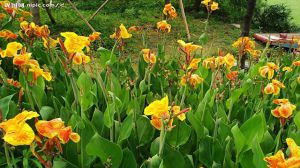
How can you extend the blooming period of canna lilies? Learn these care methods
To extend the blooming period of canna lilies, first move them indoors promptly and give them a suitable temperature: 15-18°C. Second, supplement light when sunshine is scarce, and add fertilizer and water as well. In addition, you can dig up the underground roots, dry them in the sun, and replant them the following year.
-

How to care for Dendrobium orchids after flowering? Master the correct care methods
After a Dendrobium orchid finishes flowering, it needs to be given enough light. It is best to use an unglazed clay pot, as this provides better moisture retention and drainage. Secondly, do not give it fertilizer that is too strong; a light fertilizer is better for it, and of course, it should also be placed in a spot with fairly good air circulation.
条件筛选