How to Grow Amaryllis? Detailed Guide to Growing Methods and Precautions
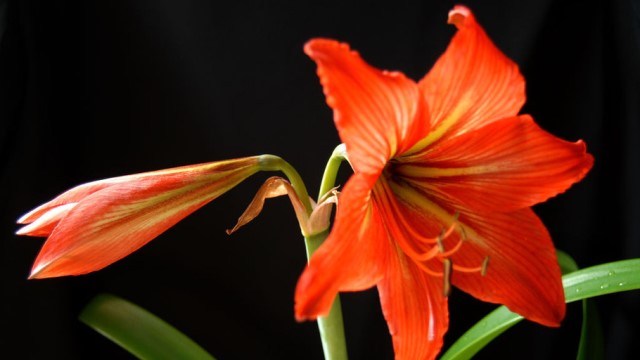
I. Growing Environment
1. Soil: Use sandy soil with good drainage, and as much as possible do not use heavy, clayey soil with poor air permeability.
2. Temperature: In summer, keep the temperature at 18-22°C for best results. In winter, amaryllis is in a dormant state, so the temperature should not be lower than 5°C.
3. Light: Amaryllis likes to grow in an environment with plenty of sunlight, but it cannot be exposed to direct sunlight for a long time. It is best to place it at a window with good ventilation and bright light but no direct strong sunlight.
4. Watering: When watering, water thoroughly, but do not use too much water, so as to avoid waterlogging that affects its growth.
II. Propagation Methods
1. Seed propagation: The seeds can be sown after they mature. Generally, germination is faster at 18-20°C. Be careful when transplanting the seedlings so as not to damage the roots. After sowing and two transplants, they can be put into small pots.
2. Cutting propagation: Cut its mother bulb vertically into many pieces, then further cut its scales, insert them obliquely into the substrate, and plant them in place when true leaves grow.
III. Common Diseases
1. Leaf spot disease: It harms leaves, flowers, and bulbs. Round spots appear on the affected areas. After the disease occurs, promptly remove the diseased leaves and simultaneously spray carbendazim to sterilize.
2. Viral disease: After it occurs, it causes the leaves to turn yellow or even rot, and even the whole plant may die. When the disease occurs, promptly cut off the diseased leaves and the rotting parts of the bulbs, and soak them in warm water for about 3 hours to easily prevent and control it.