How to grow osmanthus? Detailed guide to cultivation methods and precautions
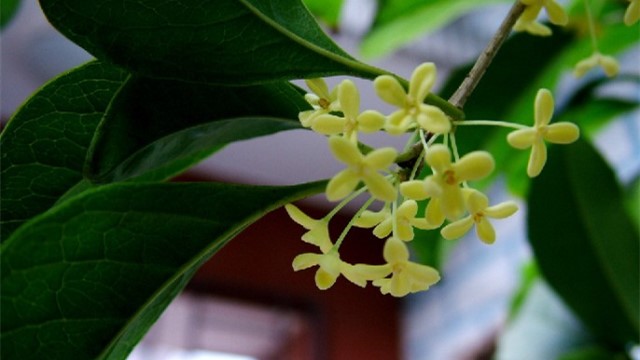
I. Growing environment
1. Soil: Osmanthus likes slightly acidic soil. You can use a mix of humus soil or peat, garden soil, and sand.
2. Watering: Water sparingly before new shoots emerge, water less on cloudy and rainy days, and water more in dry summers. Water in moderation and do not let water accumulate in the pot. In summer, water sufficiently; you can water once in the morning and once in the evening. At noon, use shading measures, and you can spray water around it to achieve a cooling effect.
3. Fertilizing: After sprouting, apply diluted decomposed cake fertilizer water once every 10 days. In July, it is suitable to apply compound organic fertilizer. In September, applying phosphorus fertilizer can help it grow and bloom.
4. Light: Osmanthus likes sunlight. During the flower bud differentiation stage, it should receive about 8 hours of light per day. In winter, if the temperature is too low and light is insufficient, it will cause leaf drop, so appropriate warming measures should be taken.
II. Propagation methods
1. Seed propagation: Remove the outer shell of the mature drupe, dry it and store it, then sow it in early spring of the following year. After the weather warms up, it will take root and sprout.
2. Cutting propagation: Remove the young leaves at the top of the cutting branch, cut off all the lower leaves, keep one pair of leaves at the upper end, and insert it into the soil. On sunny days, shade is needed.
III. Common diseases
1. Brown spot disease: Remove diseased branches and leaves promptly. You can spray a 1000-fold dilution of potassium permanganate. At the same time, strengthen ventilation and avoid rain exposure.
2. Leaf blight: The disease is likely to worsen in high-temperature and high-humidity environments. Remove and burn diseased leaves thoroughly to avoid increasing sources of infection. Loosen the soil regularly, and water promptly in dry weather to increase its disease resistance.