How to Grow Japanese Honeysuckle? A Detailed Guide to Japanese Honeysuckle Cultivation Methods
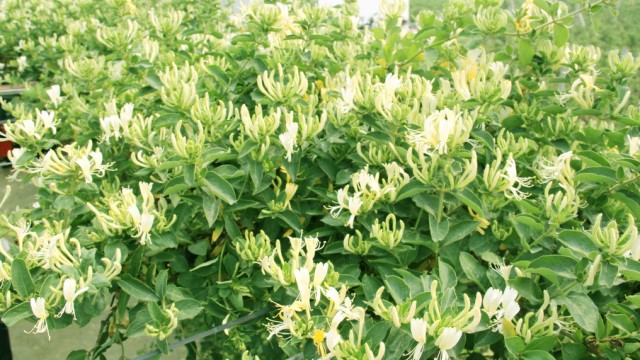
I. Growing Environment
1. Soil: There are no special requirements for the soil; fertile, moist soil is sufficient.
2. Watering: Generally, water once every 3-5 days. If there is a lot of rain during the rainy season, reduce watering or stop watering. Summer temperatures are relatively high, so increase the amount of watering to prevent the leaves from drying out. Winter temperatures are relatively low, so minimize watering and wait until the soil turns pale before watering a small amount.
3. Fertilizing: When repotting, apply some cake fertilizer as a base fertilizer, then appropriately apply cake fertilizer before each round of flowering. In other seasons, there is generally no need to fertilize.
4. Light: Japanese honeysuckle likes an environment with plenty of sunlight. If it is kept in a shady environment for a long time, it will grow slowly. In summer, when the sunlight is strong, shade measures should be taken.
II. Propagation Methods
Cutting propagation: Cut healthy branches with leaves, prepare a flower pot and insert them into the pot. Ensure the soil remains moist and well-ventilated, place it in a ventilated and shady spot, and do not expose it to direct sunlight. It will take about one month to take root.
III. Common Pests and Diseases
The more common ones include leaf spot disease, powdery mildew, aphids, sawflies, and so on. Once discovered, take timely measures and spray with dimethoate emulsion diluted with water at the appropriate ratio, but do not spray the pesticide one week before flowering or after flowering, otherwise toxic substances can easily remain in the flowers.