-
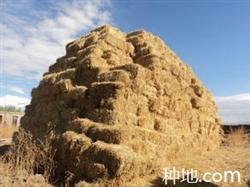
What to Do When Straw Mushrooms Die? Causes and Prevention Methods
My hometown has a lot of wheat straw. Can wheat straw be used to grow straw mushrooms? Wheat straw can be used to grow straw mushrooms, but the following points need attention: The straw mushroom is a high-quality edible fungus and a typical high-temperature mushroom species, suitable for summer cultivation. The optimal temperature for straw mushroom mycelium growth is 30-39°C, with the optimum at 36°C. Below 15°C or above 4...
-
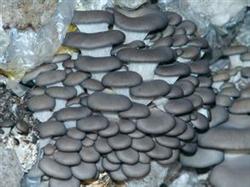
Oyster Mushroom Cultivation Techniques Sharing: A Comprehensive Explanation of Growing Methods
Some time ago, a netizen called and said: right now there are very few oyster mushrooms on the market and the price is good, so they want to cultivate oyster mushrooms in a greenhouse. But they are a bit lacking in technical know-how... Answer: For this situation, we recommend using the bag cultivation method for oyster mushrooms. At present, there are many methods for cultivating oyster mushrooms in our country, including bed cultivation, furrow cultivation, fungus bricks, bag cultivation, and intercropping or relay cropping with vegetables or crops...
-
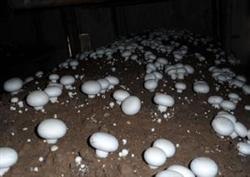
What are the methods for preventing and controlling the degeneration of Agaricus bisporus (button mushroom) spawn
Preventing spawn degeneration can increase yield, reduce the occurrence and development of pests and diseases, and cut down the amount of pesticides used, which is the foundation for producing organic button mushrooms. 1. The ambient temperature for culturing spawn must not exceed 28°C, and properly cultured spawn should not be stored at room temperature for more than half a month. 2. Properly master the time for mycelium to emerge from the substrate...
-
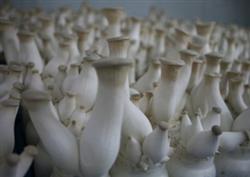
Detailed Explanation of Improved Inoculation Methods for King Oyster Mushroom
Cultivation season: The king oyster mushroom (Pleurotus eryngii) is a medium-to-low temperature mushroom. The optimum temperature for mycelial growth is 23-25°C, and the optimum temperature for fruiting is 12-18°C. Below 8°C, primordia do not form, and above 20°C, deformities are likely. Based on these characteristics, inoculation for the cultivation season can generally be carried out in September-October; after 45-50 days of culture, fruiting occurs around November. Raw material preparation...
-
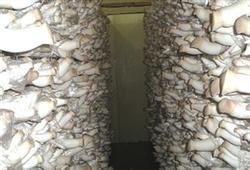
What are the common pest and disease control methods for king oyster mushrooms?
Because it mainly grows on plants such as eryngo (Eryngium) in the Apiaceae family, the king oyster mushroom is also known as eryngo oyster mushroom. The king oyster mushroom is rich in nutrients; its fruiting body contains about 16% protein, 11% crude fat, 6% ash and 4% crude fiber, and is rich in 18 amino acids, with an excellent taste. Regular consumption can help prevent cardiovascular disease, diabetes and obesity, and has beauty...
-
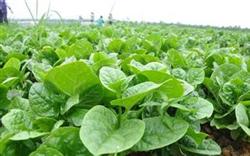
Methods for Raising Seedlings and Transplanting Ceylon Spinach (Malabar Spinach) and Key Technical Points
Prepare the seedbed well, sow dry seeds, and seedlings emerge in 3 to 5 days at a suitable temperature of around 28°C; if the soil temperature is on the low side, the seeds should be pre-germinated before sowing. During the seedling stage, keep the temperature appropriately low, and transplant when the plants have 4 to 5 true leaves. For harvesting tender shoots, use a row spacing of 20 to 25 cm and a plant spacing of 15 to 20 cm; for growing on trellises to harvest tender leaves, use a row spacing of 60 cm and a plant spacing of 25 to 35 cm, keeping...
-
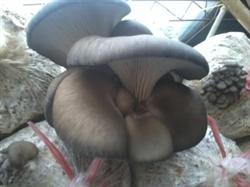
What types of deformed oyster mushrooms are there? Detailed explanation of prevention and control methods
Deformed mushrooms are a relatively common physiological disorder in oyster mushroom production, seriously affecting the yield and quality of oyster mushrooms, and even causing them to completely lose their commercial value. This disorder is mainly caused by improper management, and in a few cases by spawn degeneration, mutation, or viral infection. The main types of deformed mushrooms include: 1. Tall-stemmed mushroom, with a small cap...
-
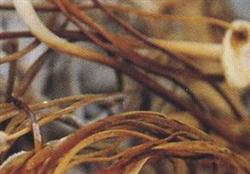
Control Methods and Technical Key Points for Enoki Mushroom Basal Rot
Symptoms: During the growth and development stage of the fruiting bodies, the base of the stipe turns dark brown to black and becomes rotten; after the base rots, the fruiting bodies topple over. Although young mushroom clusters affected by the disease do not topple over, they cannot continue to grow and develop upward; in severe cases, the needle-like young mushrooms turn black and rot in clusters. Pathogen: Penicillium claviforme, belonging to Deuteromycotina, ...
-
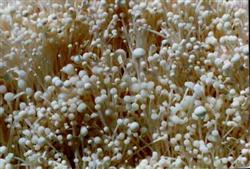
How to reuse enoki mushroom waste? Practical methods shared
During the spawn-running period, enoki mushrooms (Flammulina filiformis) often show abnormal phenomena due to improper management and other reasons. The causes and preventive measures for the main problems reported by mushroom growers are introduced below for reference. 1. Spawn blocks fail to germinate. After inoculation, the spawn does not germinate, and the mycelium turns yellow and withers. Causes: (1) The spawn has been stored for too long...
-
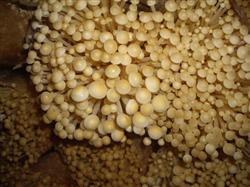
Five methods of water management during the fruiting period of enoki mushroom
Enoki mushroom (Flammulina velutipes) is both a delicious food and a fairly good health food, and its domestic and international markets are increasingly broad. However, enoki mushroom cultivation and management have relatively high requirements, especially the water requirements for fruiting body development. China Agricultural Technology Network now introduces water management methods for reference. Moisture retention to promote pinning. When the mycelium reaches the bottom of the bag...
条件筛选