-
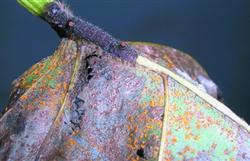
How to prevent and control poplar canker? These methods you need to know
Poplar canker: also known as poplar rot disease. Symptoms occur on the trunk and branches, manifesting as two types: dry rot and dead branch. The dry rot type mainly occurs on the main trunk, large branches and branch forks. In the early stage, the diseased part appears as dark brown water-soaked spots, the cortical tissue rots and softens. After the diseased spots lose water, the bark shrinks and sinks, sometimes cracking...
-
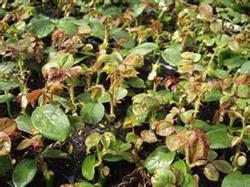
Detailed Explanation of Rose Propagation Methods and Cultivation Techniques
Rose Propagation Methods: Rose propagation methods can be divided into sexual propagation and asexual propagation. The main cultivated varieties in production - Pingyin double-petaled red rose, abundant-flower rose, purple-branch rose and other double-petaled varieties - are all propagated by asexual propagation. Asexual propagation includes division, root burial, grafting and softwood cuttings, with the most widely used...
-
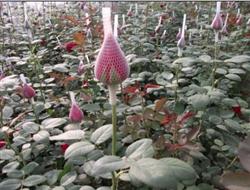
What are the common pests and diseases of roses? A detailed guide to prevention and control methods
Common rose diseases include rust, black mold, and powdery mildew. Rust often affects rose leaves, young branches, and flowers. In the early stage of the disease, rust-red spots appear on the leaves, and in severe cases the leaves wither, scorch, and drop off, affecting flowering the following year. Diseased leaves should be removed promptly and destroyed in a centralized manner. You can also spray once every half month from May to August...
-
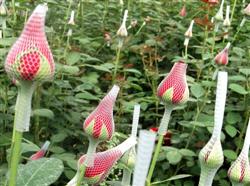
Detailed Explanation of Red Rosewood Cultivation Techniques and Management Methods
Red rosewood, Ochrosia coccinea, is a plant in the genus Ochrosia of the family Apocynaceae, distributed from Madagascar to Polynesia in the Pacific. Red rosewood is an evergreen small tree; the whole plant has white latex, the stems and branches are gray, and the young branches are bright green. The leaves are attractive in shape, nearly leathery or firmly papery, usually...
-
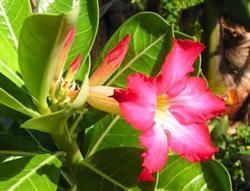
What are the control methods for soft rot in desert rose?
Desert rose soft rot is a major disease affecting desert rose. The desert rose has gorgeous flowers, blooms profusely, and is a short, sturdy plant; especially the root and stem portions have an ancient, vigorous posture, making it an excellent succulent plant for tropical regions. It has been introduced into our country for more than 10 years and grows well, but the occurrence and damage of its soft rot often causes the entire plant...
-
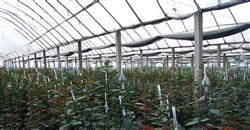
How to prevent and treat rose rot? Sharing practical methods
Roses have brilliant colors and a pleasant fragrance. They are a famous raw material for fragrances, and also a flavoring raw material for smoking tea, making wine, and various sweet foods. Their value is very high, and on the international market, the price is higher than gold. Roses like sunlight, so the cultivation site should be chosen in a sunny, dry place; they do not bloom easily in shaded areas. As for soil and climate...
-
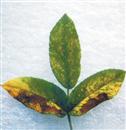
How to prevent and control rose rust? These methods you need to master
I. Symptoms Rose rust is a major disease of roses, common throughout southwest China, and more severe in areas with warm weather year-round and rainy, foggy winters. According to the author's surveys over many years, the incidence rate in some areas of our province is as high as 80%. White-flowered and purple-flowered roses are both infected, causing leaf drop, affecting growth and flowering, and it also...
-
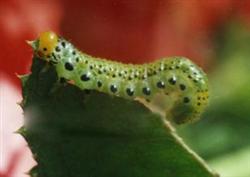
What to Do When Roses Have Pest Problems? A Detailed Guide to Prevention and Control Methods
Common pests that harm roses include leafcutter bees, stem sawflies, rose middle noctuid moths, cottony cushion scale, and red spider mites. Main control methods: 1. Leafcutter bees. They mainly damage the tender leaves of plants, and when they occur in large numbers they can bite complete leaves into ragged, incomplete ones within a short period. Mainly use manual capture of adults or spray 50%...
-
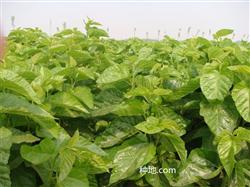
How to fertilize mulberry trees for high yields? These methods you need to master
What kind of fertilization method can make mulberry trees high-yielding? Please advise. Mulberry is a crop with a high fertilizer requirement, and sufficient fertilizer must be applied to obtain high yields. The annual fertilizer amount for one mu of mature mulberry forest is 240 jin of urea, 200 jin of superphosphate, 40 jin of potash fertilizer, and 2000 jin of organic fertilizer. It is applied in 4 rounds throughout the year, with spring fertilizer in mid-March...
-
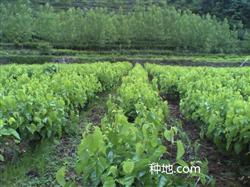
What are the spring management methods for a mulberry orchard?
How should a mulberry orchard be managed in spring? Please advise. The main points of spring mulberry orchard management are as follows: Strengthen fertilizer and water management. Spring fertilizer can be applied about 20 days before the mulberry trees bud. Apply first to mulberry trees used for feeding young silkworms, and later to those used for grown silkworms; apply first in clay soil mulberry orchards, and later in sandy soil ones. Generally, spring fertilizer application begins in early March...
条件筛选