What to Do When Roses Have Pest Problems? A Detailed Guide to Prevention and Control Methods
Common pests that harm roses include leafcutter bees, stem sawflies, rose middle noctuid moths, cottony cushion scale, and red spider mites. Main control methods: 1. Leafcutter bees. They mainly damage the tender leaves of plants, and when they occur in large numbers they can bite complete leaves into ragged, incomplete ones within a short period. Mainly use manual capture of adults or spray 50%...
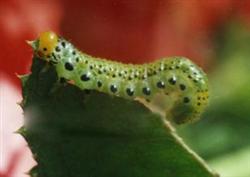
Common pests that harm roses include leafcutter bees, stem sawflies, rose middle noctuid moths, cottony cushion scale, and red spider mites. Main control methods:
1. Leafcutter bees. They mainly damage the tender leaves of plants, and when they occur in large numbers they can bite complete leaves into ragged, incomplete ones within a short period. Mainly use manual capture of adults or spray the nest with a 1000-fold dilution of 50% fenitrothion for control.
2. Stem sawflies. They mainly damage the stems of plants, causing branches to wither and leading to plant death. During winter pruning, check the pith of the root stubble. If borer tunnels are found, drip in 1-2 drops of pyrethroid insecticide and seal with mud for control; if tender branches have already been damaged, they should be pruned and destroyed.
3. Middle noctuid moths. Mainly the larvae damage leaves, flower buds, and flowers. Spray with a 1000-1500-fold dilution of 90% trichlorfon crystals or a 1000-fold dilution of 50% fenitrothion emulsifiable concentrate for control.
4. Red spider mites. They mainly damage both the front and back of leaves, causing leaves to dry up and fall off. At the early stage of occurrence, spray with an 800-1000-fold dilution of 20% tetradifon wettable powder, spraying once every 2 weeks, for 2 consecutive sprays.