-
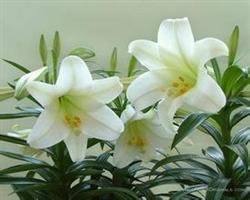
Cut Lily Disease Prevention and Control Methods and Key Technical Points
I. Lily blight 1. Symptoms: Stems, leaves, flowers and scales can all be affected, mainly the tender leaves of the flowers. When leaves are affected, small water-soaked spots appear, which gradually expand and turn grayish-green. When the stem is affected, the water-soaked discolored area spreads upward and downward and rots, further developing into bending and drooping of the stem. In severe cases, the flowers...
-
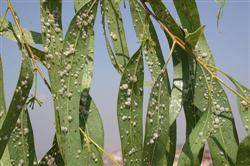
Eucalyptus Pest and Disease Control Methods and Key Practical Techniques
The main pests and diseases of eucalyptus include: bacterial wilt, leaf blight (commonly known as defoliation disease), eucalyptus seedling stem rot, eucalyptus leaf roller, termites, and scarab beetles, etc. (1) Bacterial wilt: When the bacterial wilt pathogen infects young trees in the forest, the above-ground symptoms can be divided into two types. The first is the acute type, in which the leaves of the diseased plant rapidly lose water and wilt, hanging on the branches without falling off, showing the typical "green wilt" symptom. For this type of diseased plant, the time from onset to the death of the whole plant is relatively short, generally only 2-3 weeks. The second is the chronic type, in which the diseased plant shows stunted growth, dwarfism, and the lower leaves first turn purplish-red, then gradually deepen and spread upward, and finally the leaves dry up and fall off. Some stems and side branches develop irregular dark brown necrotic spots, and in severe cases the entire plant dies. For this type, the time from onset to the death of the whole plant is relatively long, generally 3-6 months. Eucalyptus bacterial wilt is prone to epidemic outbreaks under high temperature and high humidity. Root collar injury, surface runoff, and root-to-root contact between plants are the main pathways for pathogen invasion and spread. Control measures: select disease-resistant strains; carry out quarantine of seedlings before leaving the nursery, and try to avoid bringing diseased seedlings to the plantation; also try to avoid establishing eucalyptus plantations on forest land that is likely to carry Pseudomonas solanacearum (soil where peanuts, tobacco, potatoes, tomatoes, mulberries, kapok, beefwood, and canna have been planted); do not apply undecomposed organic fertilizer; strengthen tending and management to improve tree disease resistance. After a plant becomes diseased, there is still no proven effective control method; once discovered, the only option is to immediately pull it out roots and all, spread lime on the soil in the planting hole for disinfection, and destroy the diseased plant.
-
Detailed Explanation of Osmanthus Cultivation Techniques and Utilization Methods
Osmanthus (Osmanthus fragrans) is an evergreen small tree and a precious ornamental aromatic plant. It blooms in autumn, with a delicate fragrance that drifts far and refreshes the heart. Osmanthus can be used to extract aromatic oil and is a valuable spice. Fragrances and scented products made with pure osmanthus oil, such as osmanthus wine, osmanthus sugar, osmanthus preserves, perfume, and soap, sell well in domestic and international markets. 1...
-
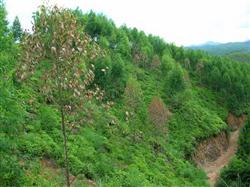
What are the control methods for bacterial wilt in eucalyptus?
Bacterial wilt of eucalyptus and its control. Bacterial wilt of eucalyptus, caused by Ralstonia solanacearum (Smith) Yabuuchi, is a bacterial wilt disease that seriously harms eucalyptus in South China. In the early stage of infection, seedlings generally become wilted, followed by leaf blight, and the seedlings die rapidly; the roots of diseased plants become necrotic, appear water-soaked, and have...
-
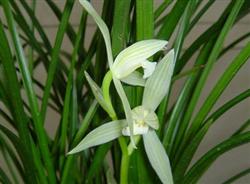
How to control orchid pests? Mastering these methods is enough
1. Orchid scale insect, commonly known as orchid louse, is one of the most common and widespread pests harming orchids. This scale insect is covered with a flat, round, earthy-brown waxy shell, about 0.1 cm in diameter, shaped like a flea, attaching to both sides of the leaves or inside and outside the leaf sheaths. The insect uses its thread-like mouthparts to suck the nutrient fluid from within the leaves. After scraping off the insect bodies, pale yellow marks appear on the leaf surface. If they cluster densely, the affected parts gradually turn yellow, growth vigor weakens, and in severe cases the plant progressively shrivels and dies.
-
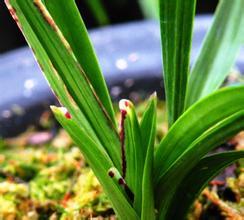
A Complete Guide to Fertilizing Flowers: Methods and Precautions
Physiological diseases of orchids, also called non-infectious diseases, are disorders caused by unsuitable cultivation environments and care practices rather than pathogenic organisms. Examples include temperatures that are too high or too low, light that is too strong or too weak, imbalanced water and fertilizer, nutrient deficiencies, improper use of chemicals, harmful gases in the air, and toxic substances in the soil. Common orchid...
-
Detailed Explanation of the Harm and Control Methods of Soft Rot in Orchids
Generally speaking, if an orchid grows very robustly and its root system is very well developed, its disease resistance is relatively strong. If the orchid does not grow well and, on top of that, care is not adequate, then it becomes very prone to disease. In the current season, if ventilation is poor, orchids are very likely to develop soft rot. Soft rot is seriously harmful...
-
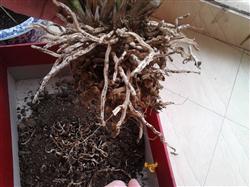
How to control ants on orchids? Introduction to practical methods
Some beginner orchid growers often do not understand orchid habits well and find it hard to grow orchids successfully; the leaf tips burn and the plants collapse, and after one or two years only a few withered stumps are left. The cause is mostly orchid root rot. As the saying goes, to grow orchids, first grow the roots. Good roots, vigorous leaves, fragrant flowers. To cultivate a good pot of orchids...
-
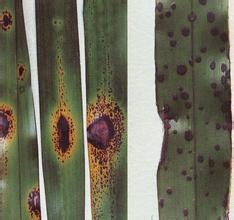
What are the symptoms of orchid round leaf spot? The prevention and control methods explained in one article
Leaf spot is a common leaf disease of orchids, found in Fujian, Jiangsu, Zhejiang, Shanghai, Nanjing and other places. Symptoms: The disease mainly affects the leaves. In the early stage, small brown spots appear on the leaves and rapidly expand into round patches, relatively wide, with a light brown center, and yellow small protrusions growing on both the front and back sides, occurring on the upper...
-
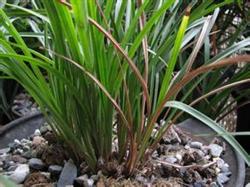
How to prevent and control anthracnose in orchids? Detailed explanation of prevention and control methods
Anthracnose is one of the main diseases in orchid cultivation. It occurs relatively commonly in China and is a serious disease harming orchids. Besides orchids, it also harms poinsettia, jasmine, glossy privet, finger citron, hibiscus, and others. 1. Symptom characteristics: In the early stage of the disease, small reddish-brown spots appear on the leaves, which later expand into large grayish-brown to grayish-white spots...
条件筛选