Detailed Explanation of the Harm and Control Methods of Soft Rot in Orchids
Generally speaking, if an orchid grows very robustly and its root system is very well developed, its disease resistance is relatively strong. If the orchid does not grow well and, on top of that, care is not adequate, then it becomes very prone to disease. In the current season, if ventilation is poor, orchids are very likely to develop soft rot. Soft rot is seriously harmful...
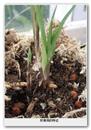
Generally speaking, if an orchid grows very robustly and its root system is very well developed, its disease resistance is relatively strong. If the orchid does not grow well and, on top of that, care is not adequate, then it becomes very prone to disease. In the current season, if ventilation is poor, orchids are very likely to develop soft rot.
Soft rot is seriously harmful and spreads extremely quickly. It has two forms of manifestation. One starts from new shoots, that is, before the buds have fully grown, the roots rot and the rot continuously spreads upward; when the disease is severe, it can cause the entire plant to wither and die. The other starts from old shoots. If old shoots show abnormal collapse, and there are small brownish-yellow or black spots on the leaves, then you need to pay attention.
If infection is confirmed, first isolate the plant and promptly move it to a place with good ventilation and low humidity, then tip the entire pot of the plant out, separate the diseased plant, and break off the plantlets connected to it as well; the remaining plantlets must be disinfected. When spraying, spray both the front and back of the leaves, and also drench the medium until it penetrates through. All infected medium must be thrown away, and the flower pot must be disinfected; it can be soaked in agricultural streptomycin diluted 500-1000 times.
Because this disease spreads very quickly, prevention must be strengthened. Among these, both cultivation control and chemical control are important. In terms of cultivation control, shading, cooling, and good ventilation can create ecological conditions favorable to orchid growth and development but unfavorable to disease reproduction and infection. In terms of chemical control, routinely spray agricultural streptomycin once every 10-15 days.