-
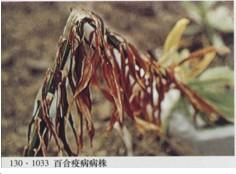
Common pest and disease control methods in lily cultivation
Lily blight, also known as lily foot rot, is distributed in Hebei, Gansu, Shaanxi, Shandong, Zhejiang, Jiangxi, Henan, Hubei, Hunan, Sichuan, Guizhou, Yunnan, Tibet and other provinces and regions. 1. Damage symptoms: It mainly attacks stems, leaves, flowers, scales and bulbs. When the stem is infected, water-soaked brown rot appears at first, gradually...
-
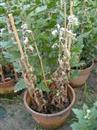
What are the control methods for chrysanthemum Fusarium wilt?
Fusarium wilt is one of the important diseases of chrysanthemums. It occurs in many regions of China. Although the incidence of this disease is not high, it is extremely harmful. Once a plant is infected, if control measures are not taken promptly, the plant will quickly wither and die. Chrysanthemum Fusarium wilt is a fungal disease. The pathogen is Fusarium oxysporum f. sp. chrysanthemi, which is a...
-
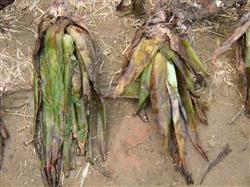
Winter cold protection methods for potted aloe, helping it overwinter safely
Potted aloe has fairly strict temperature requirements in winter; the lower the temperature, the greater the harm to the aloe. When overwintering, the main cold protection measures are: setting up a cold protection trench. You can dig a rectangular pit in a sunny, wind-sheltered yard; its size can be determined by the number of overwintering aloe pots and the size of the plants, generally 50-70 cm deep...
-
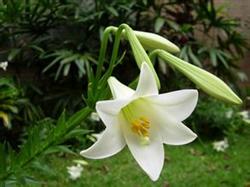
Disease Prevention and Control Methods for Fresh-Cut Lilies
I. Lily Phytophthora Blight 1. Symptoms: Stems, leaves, flowers and scales can all be affected, mainly the tender leaves of the flowers. When the leaves are affected, small water-soaked spots appear, which gradually enlarge and turn grayish-green. When the stem is affected, the water-soaked discolored part spreads upward and downward and rots, further developing into bending and drooping of the stem. In severe cases, the flower stalk and...
-
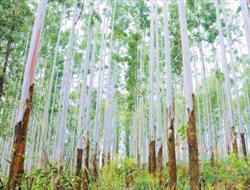
Key Points and Correct Methods of Eucalyptus Fertilization Techniques
It is light-loving, moisture-loving, drought-tolerant and heat-resistant. It is sensitive to cold and intolerant of low temperatures. Some species originated in the tropics and cannot tolerate temperatures below 0°C; some species originally grew in warm climatic zones and can tolerate low temperatures of -10°C. It can grow in various soils; most species can adapt to both acidic and alkaline soils, while the most suitable soil...
-
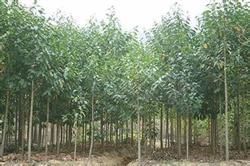
A Detailed Guide to Eucalyptus Planting Techniques and Cultivation Management Methods
Eucalyptus is the general name for tree species of the genus Eucalyptus [Eucalyptus SPP.] in the family Myrtaceae. It is one of the world's three famous fast-growing tree species and one of the world's most valuable hardwood broadleaf timbers. Native to Australia, it has as many as 945 species, with a wide distribution range and great variation in performance, and in the world's 10...
-

Key Points of Mulberry Cultivation Techniques and Planting Management Methods
Mulberry is a perennial woody plant and a tree species with a relatively long lifespan. Naturally grown mulberry trees can live for more than a thousand years at most. Cultivated mulberry trees, affected by artificial pruning and long-term leaf harvesting, have a much shorter lifespan, but their peak production period still lasts more than 10 years. I. Establishment of a New Mulberry Plantation (1) Site Selection: Choose...
-
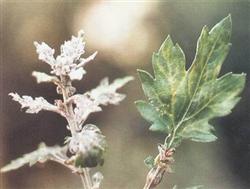
Detailed Explanation of the Occurrence Patterns and Control Methods of Chrysanthemum Powdery Mildew
Chrysanthemum powdery mildew is one of the common diseases in flowers, and it is distributed in both southern and northern China. Chrysanthemum powdery mildew causes poor plant growth, leaf death, and even failure to bloom, seriously affecting greening and beautification results and flower production; it also harms cineraria, pot marigold, coneflower, African daisy, cosmos, aster, dahlia...
-
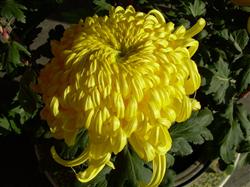
Cultivation Techniques and Management Methods for Yellow Chrysanthemum Greens
"Yellow chrysanthemum" is called chrysanthemum greens. The chrysanthemum greens plant has round leaves, with short compressed petioles arranged in multiple whorls forming a chrysanthemum-like shape, green petioles, glossy leaf blades, and entire leaf margins. A single plant can weigh up to 150 grams, with excellent quality, and the flavor is even better after frost. Chrysanthemum greens have the effects of clearing heat, dispelling wind, detoxifying, and improving eyesight. Many friends have asked about related...
-
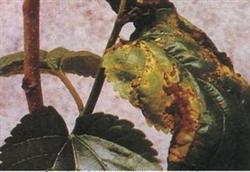
What are the control methods for mulberry rotten head blight?
Mulberry bacterial blight, commonly known as "rotten head blight", is one of the serious mulberry diseases. Symptoms: (1) black withered buds - affected buds and leaves lose their luster at the early stage of disease and die rapidly; (2) new shoot stem rot. The stem base of new shoots shows black rot, with part of the phloem and xylem necrotic; (3) rotten head. After the terminal shoot buds and leaves are infected, the growing point...
条件筛选