-
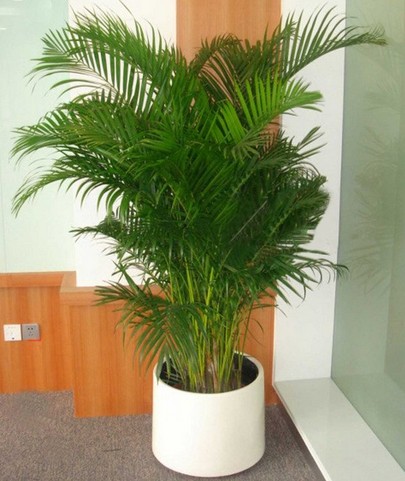
How to fertilize a fernleaf hedge bamboo bonsai? A detailed guide to cultivation and fertilization methods
Potted fernleaf hedge bamboo is suitable for decorating halls, offices or conference rooms and other places, elegant and beautiful. Small potted plants, adorning home bedrooms and studies, small and exquisite, extremely lovely. It relatively prefers a warm and humid climate, likes light, and is also fairly shade-tolerant, not cold-tolerant, and in winter should not go below 5°C
-
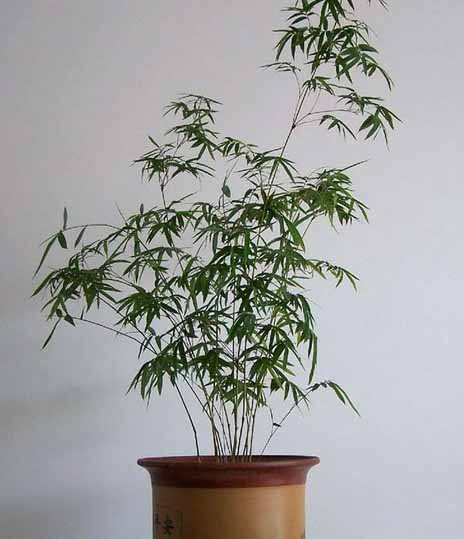
How to water a fernleaf hedge bamboo bonsai? Detailed explanation of watering methods for cultivation
During the growing season, fernleaf hedge bamboo should be watered moderately, keeping the potting soil moist. Water as soon as it is half dry; standing water should be avoided. In summer, water should be sprayed on the branches and leaves frequently. In winter, the amount of water should be reduced, watering once every 4 to 5 days or so, and the plant should be placed in a sunny spot for care. Water is an important factor for vigorous growth of fernleaf hedge bamboo. The nutrients applied to the soil
-
Detailed Explanation of Techniques and Methods for Shaping and Styling Begonia Bonsai
Begonia shaping and processing often combines wiring and pruning, and the processing period is best from after leaf drop in winter to before bud break in spring. During the plum rain period, new branches have grown relatively mature and the branches are quite flexible, so it is also suitable for pruning and wiring. Seedlings 2 to 3 years old can begin to be processed; at this stage they are highly malleable and easier to work with
-
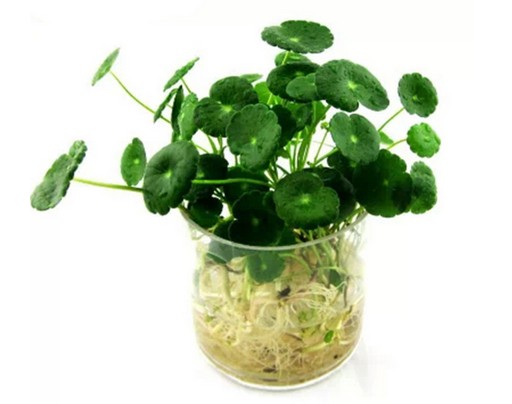
A detailed guide to the seedling and cultivation methods of pennywort bonsai, easy enough for beginners to learn
Pennywort (Hydrocotyle vulgaris) is not strict about water quality and can be cultivated in freshwater with lower hardness; salinity should not be too high. The pH of the water is best kept between 6.5 and 7.0, that is, slightly acidic to neutral. It has a relatively high demand for fertilizer, and during the vigorous growth stage it is enough to apply fertilizer once every 2~3 weeks
-
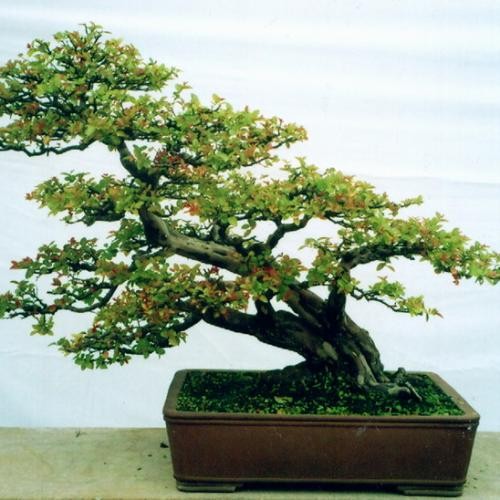
A Detailed Explanation of the Styling Methods and Techniques for the Cascade-on-the-Ground Style of Bonsai
The cascade-on-the-ground style and the slanting style are related; the so-called kinship only refers to the related effect of one following on after another. If a slanted tree cannot be fixed and stabilized, it will eventually topple over completely because of loss of balance. In woodland areas, large trees of this kind of form are generally commonly seen lying across the ground. Speaking of this, I would like to talk about a digression.
-
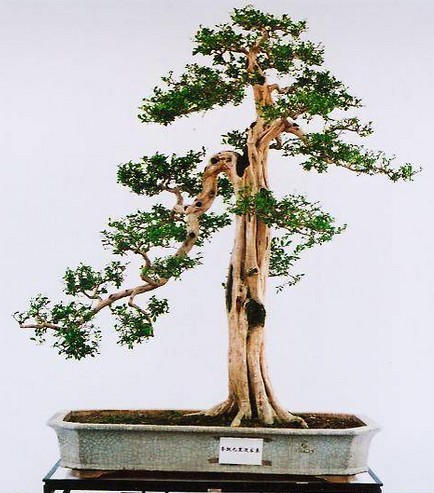
How to shape a formal upright bonsai? Detailed methods and techniques
The formal upright style is the most common form in bonsai creation, because the vast majority of bonsai materials can be made into the formal upright style, especially collected tree material, which is found everywhere. However, creating an excellent formal upright bonsai is truly not easy, since it is hard to find material of superior quality when collecting from the wild.
-
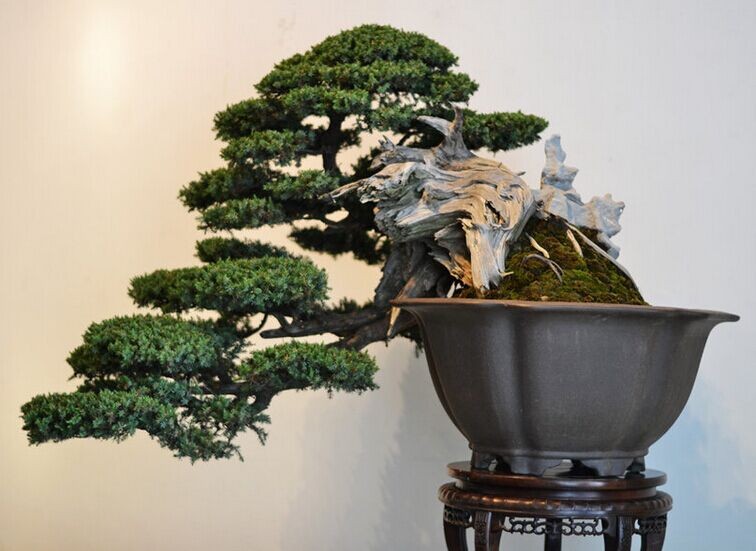
Detailed Explanation of the Shaping Techniques and Methods for Cascade-Style Bonsai
Cascade style can be considered the style that bonsai artists favor most in the bonsai world, yet they often find their ability falling short of their wishes, finding it difficult to express the unique character of cascade forms in nature. What is the reason? Based on my personal exploration over many years, the main reason ordinary artists rarely produce even one or two fine pieces is none other than their reliance on excavating natural material.
-
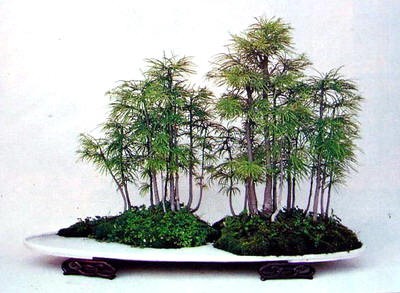
Shaping Methods and Techniques for Group-Planted Bonsai
Group planting (group planting) is the original appearance of a forest; it can be a pure stand or a mixed forest, all made freely according to each person's preference and choice. Its only biggest difference from the connected-root style is that every tree exists independently on its own
-
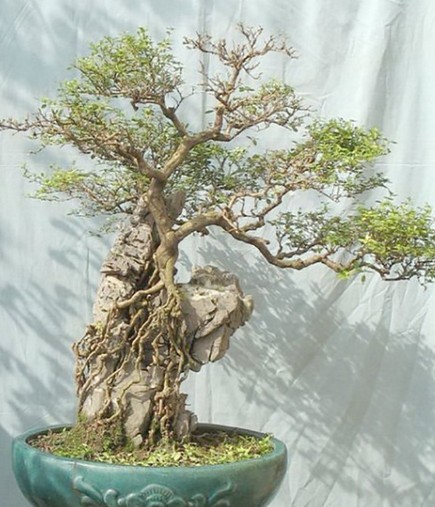
Detailed Explanation of Seedling Cultivation Methods and Technical Key Points for Serissa Bonsai
Serissa bonsai can be propagated by cuttings or division. Division means obtaining new individuals by separating the suckering shoots of Serissa, usually carried out in March in spring. Propagation is mainly by cuttings, and natural old stumps can also be used. Cuttings can use softwood or hardwood. Softwood cuttings are taken in early summer each year
-
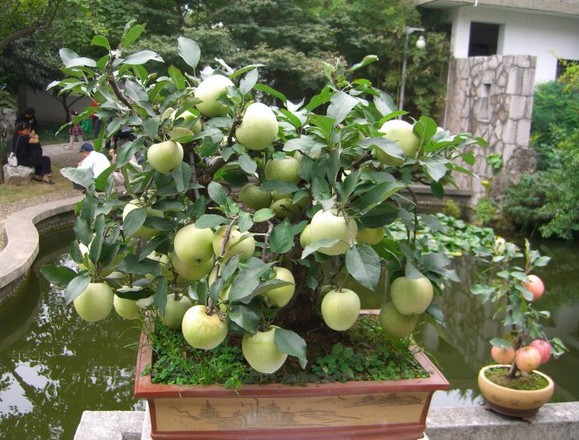
Detailed Explanation of Winter Pruning Methods for Fruit Tree Bonsai, Beginners Can Learn Too
Winter pruning, also called dormant-season pruning, refers to pruning during the dormant period from after the fruit tree sheds its leaves until spring flower buds begin to swell. The so-called winter pruning keeps the tree vigorous because at this time most of the nutrients have already been transferred from the branches and leaves to the main trunk and roots of the fruit tree for storage, so pruning causes the least nutrient loss to the fruit tree and less damage to the tree body.
条件筛选