Detailed Guide to Gypsophila Cuttings Propagation Methods and Steps
Gypsophila (baby's breath) stays evergreen all year round, with delicate flowers and leaves and an exceptionally long blooming period. It brings a fresh, light feel while also being pleasing to the eye. Grown as a potted plant, its ornamental value is very high. It is often propagated by sowing, cuttings, division and other means. By comparison, cuttings are one of the most widely used methods for home potted flowering plants, so how do you propagate gypsophila from cuttings?
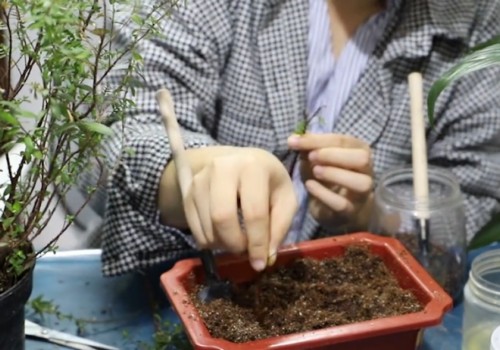
Gypsophila is a flowering plant that is very easy to propagate, especially from cuttings. No matter where you stick them, as long as their growing needs are met, they will usually take root. And as long as the later care and management are done fairly well, it won't be long before you have a full pot of gypsophila with flowers covering the branches. Below, the editor will share with you the cutting propagation method for gypsophila.
1. Preparing the growing medium
Gypsophila is not very demanding about soil quality; it just needs good permeability and soil rich in organic matter. Since gypsophila is not suited to growing in acidic soil, it is best to mix the soil to be slightly neutral or slightly alkaline. In addition, besides the cutting medium needing to be fertile, loose, and permeable to air and water, it is recommended to mix in a little chicken manure, or a little charcoal, for better growing results. But before using the medium, it is best to first disinfect it with a disinfectant solution, simply by spraying it directly onto the medium.
2. Making the cuttings
The cuttings are also an important factor affecting rooting success. Generally, you need to cut healthy branches from a well-growing mother plant to use as cuttings. After cutting off the branches, trim away all the small side branches, then cut the sturdier main branches into stem segments about 10 cm long to use as cuttings. If you keep the small side branches, they will consume nutrients from the main branch, thereby affecting the survival of the main branch after cutting.
3. Disinfecting the cuttings
After cutting the cuttings, don't rush to plant them. The original author suggests first disinfecting them with a potassium permanganate solution or a carbendazim solution, simply by dipping the end to be planted into the solution and soaking it for 1-2 hours. This can prevent infection of the wound after planting, thereby reducing the success rate of cuttings. After soaking, take the cuttings out and set them aside to dry slightly, and they are ready for planting.
4. The cutting process
Next, insert the cuttings, which have been dried of excess water, one by one into the medium, taking care to keep reasonable spacing between the cuttings to avoid them becoming too crowded after sprouting and affecting each other's growth. The cutting process for gypsophila is the same as for many other flowering plants; just follow the general method.
5. Watering after planting
After completing the cuttings, we also need to water appropriately to ensure the medium has the right moisture for the cuttings to take root and survive. But when watering, generally water thoroughly, or you can place the container in clean water and supply water by soaking the pot from below. In short, the medium needs enough water and moisture, but not waterlogging.
6. Placement
After completing the cuttings, we also need to choose a suitable placement for the gypsophila cuttings; generally, just place them on a balcony that can fully receive scattered light but no direct sunlight. Since gypsophila is quite light-loving, the growing environment should be fairly sunny, and it should not be placed in a rather shady environment.