What are the control methods for anthurium anthracnose?
The disease is caused by a semi-knowledge fungal pathogen of the species Colletotrichum gloeosporioides. The pathogen survives the winter as mycelium and acervuli in diseased tissue or in the pot, and spreads through primary and secondary infection by conidia, transmitted and spread by rain splash and the activity of small insects. Usually warm, humid weather and ecological environments easily trigger the occurrence of this disease.
Symptoms: It mainly harms the leaves, producing round brown spots on the leaves, mostly occurring along the leaf veins. In severe cases, the spots merge to form larger brown patches with light yellowish-brown edges, and the spots then dry up and fall off.
Control methods: ① Careful maintenance. Anthurium prefers high temperature and high humidity environments, with an optimal growth temperature of 20-30°C, relative air humidity above 85%, and light that is not too intense. Apply thin fertilizer once a month during the growing season. In addition to normal watering, spray water 1-2 times a day, but do not spray water into the trumpet-shaped opening of the inflorescence. In October, move to a low-light area in the greenhouse or use a shade net, and appropriately reduce watering. ② Diseased leaves should be promptly pruned and destroyed. ③ About every 15 days, spray a 1% potassium dihydrogen phosphate solution on the leaves to improve disease resistance. ④ During the disease period, spray 25% Tanterling wettable powder at 500 times dilution or Anthracnose Fumei wettable powder at 1000 times dilution, once every 10-15 days, for 3-4 applications.
How to control anthurium anthracnose
Anthurium is one of the world's precious flowers. It has a long flowering period, and as a cut flower it can last up to 1.5 months in water. At the same time, its colors are bright and rich, making it a potted plant grown by many households. Anthurium does not have high requirements for the growing environment, but if managed improperly it is also prone to disease. A common disease of anthurium is anthracnose. How to control anthurium anthracnose? Today, the editor will learn together with you.
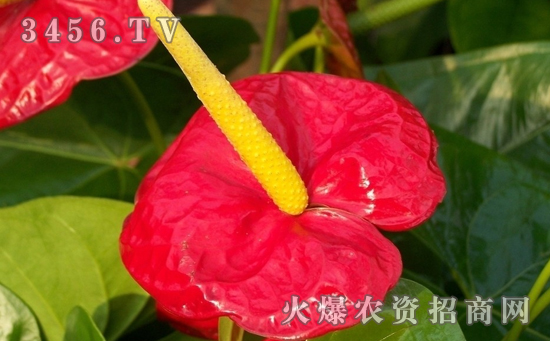
Anthurium anthracnose is caused by a semi-knowledge fungal pathogen of the species Colletotrichum gloeosporioides. The pathogen survives the winter as mycelium and acervuli in diseased tissue or in the pot, and spreads through primary and secondary infection by conidia, transmitted and spread by rain splash and the activity of small insects. Usually warm, humid weather and ecological environments easily trigger the occurrence of this disease.
Symptoms of anthurium anthracnose
Anthurium anthracnose mainly harms the leaves. Round brown spots are produced on the leaves, mostly occurring along the leaf veins. In severe cases, the spots merge to form larger brown patches with light yellowish-brown edges, and the spots then dry up and fall off.
Control methods for anthurium anthracnose
① Careful maintenance. Anthurium prefers high temperature and high humidity environments. The optimal growth temperature is 20-30°C, relative air humidity above 85%, and light that is not too intense. Apply thin fertilizer once a month during the growing season. In addition to normal watering, spray water 1-2 times a day, but do not spray water into the trumpet-shaped opening of the inflorescence. In October, move to a low-light area in the greenhouse or use a shade net, and appropriately reduce watering. ② Diseased leaves should be promptly pruned and destroyed. ③ About every 15 days, spray a 1% potassium dihydrogen phosphate solution on the leaves to improve disease resistance. ④ During the disease period, spray 25% Tanterling wettable powder at 500 times dilution or Anthracnose Fumei wettable powder at 1000 times dilution, once every 10-15 days, for 3-4 applications.
How to control anthurium anthracnose is briefly covered here. Anthurium can be used as a cut flower. Its spathe is large, and the colors include red, pink, white, green, and bicolor, which are very festive and symbolize a grand future. When growing it at home, note that anthurium prefers a moist, shady environment. Keep the indoor environment good and avoid excessive dryness or soil that is too dry.
Symptoms and control methods of anthurium anthracnose
Symptoms and control methods of anthurium anthracnose
Symptoms: Also called black nose, spadix rot, and fungal leaf spot. It mainly harms the leaves, initially producing round brown spots, mostly occurring along the leaf veins. In severe cases, the spots merge to form larger brown patches with light yellowish-brown edges, and then dry up and fall off; infection of the anthurium spathe causes inflorescence rot, producing black necrotic spots.
Pathogen: The pathogen is Colletotrichum gloeosporioides (Penz.) Sacc., which can infect various plants such as apple, black locust, banana, chrysanthemum, Monstera deliciosa, and croton. The pathogen survives the winter as mycelium and acervuli in diseased tissue or in the growing medium, and spreads through primary and secondary infection by conidia, transmitted and spread by rain splash and insect activity. Warm, humid weather and ecological environments favor the occurrence and epidemic of the disease; improper watering methods or tiny wounds on the leaves make plants susceptible to the disease; and long durations of rain or high temperature and high humidity result in severe disease.
Control methods:
Cultural control: Because anthracnose occurs under high temperature and high humidity conditions, therefore, try to control the humidity in the greenhouse, especially the humidity at night. Applying fertilizers high in potassium, calcium, and magnesium helps improve the plant's disease resistance.
Chemical control:
Preventive fungicides: Thiophanate-methyl suspension concentrate > Chlorothalonil suspension concentrate > Mancozeb-type suspension concentrate > Sulfur- or copper-containing fungicides
Curative fungicides: Prochloraz manganese salt > Prochloraz > Tebuconazole > Difenoconazole > Flusilazole > Other azoles > Carbendazim