-
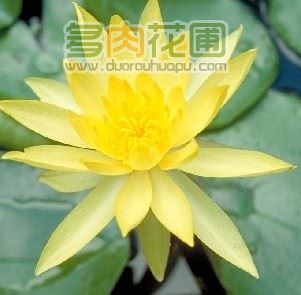
How to grow water lilies? Detailed guide to cultivation methods and precautions
Water lily cultivation methods and precautions: (1) Water lilies love light, prefer high-temperature environments, and love fertilizer. They are not very demanding about their environment and can grow well in water with a pH of 6 to 8. (2) In the Yangtze River basin, they sprout from late March to early April
-

How to plant water lilies properly? A detailed guide to planting methods
How to plant water lilies: tropical water lilies have a large plant form and bloom all year round, are not cold-tolerant, and need to overwinter in a full-sun greenhouse. Varieties grown in the north are mostly the more cold-tolerant common water lilies, with a smaller plant form, and the flowers float on the water surface. Use live river mud in the planting pot, place 50-100 g of hoof pieces underneath as base fertilizer, with the bud cluster facing up
-
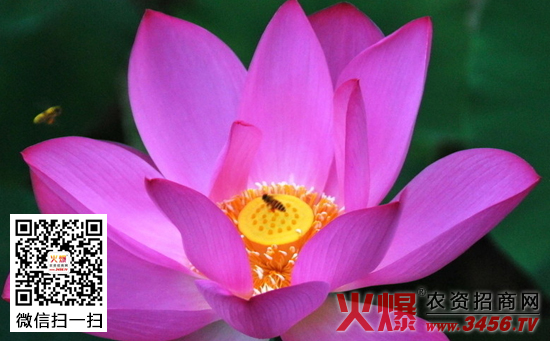
How do water lilies reproduce? A detailed explanation of common propagation methods
Water lilies are mainly propagated by division, but they can also be grown from seed. Among the propagation methods for water lilies, division propagation: when dividing, hardy species are usually divided in early spring before sprouting, from February to April; tender water lilies have high requirements for air and water temperature, so division can only be carried out around mid-May. When dividing, first dig out the water lily rhizome
-
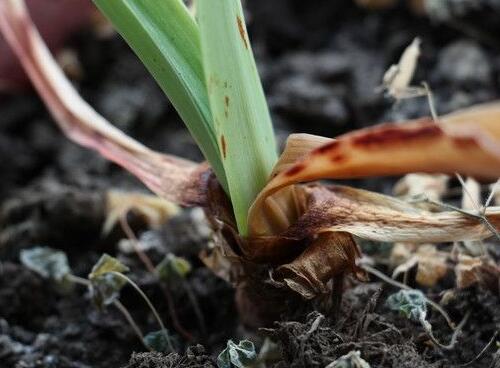
A Complete Guide to Pest and Disease Control Methods and Techniques for Mock Lime (Aglaia odorata)
Pest and disease control for mock lime. During the growing period, mock lime suffers from the following diseases: stem rot and anthracnose; and the following pests: the white wax cicada (Lawana imitata), aphids, red spider mites, brown soft scale, and other pests. Mock lime stem rot occurs on the stems of the plant. In the early stage of the disease, small black spots appear, which after expanding become streak-shaped, dark brown
-
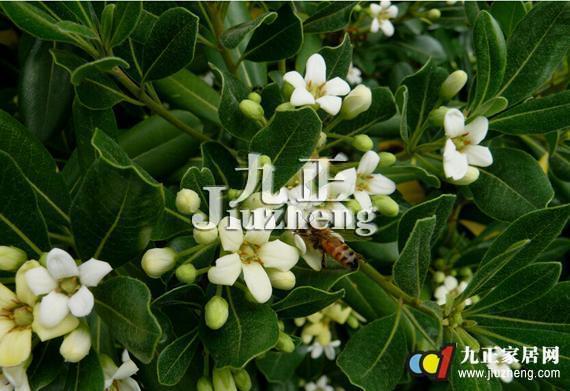
What are the methods for propagating Aglaia odorata (mock lime) with a high survival rate?
For Aglaia odorata, both cuttings and air layering give a fairly high survival rate. Cuttings under full-sun mist conditions give an even higher survival rate. Aglaia odorata cuttings root rather slowly; in the Yangtze River basin it is best done during the plum rain season. Take plump current-year shoots from the outer canopy, 8-10 cm long, keep the 2-3 small leaves at the tip
-
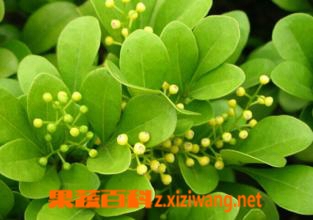
What are the propagation methods for the Milan flower? Even beginners can easily master them
Propagation methods for the Milan flower. The Milan flower is mostly propagated by air layering and cuttings. For air layering, choose a vigorous 1- to 2-year-old branch between May and August, girdle it, wait until the cut dries slightly, then wrap it with moss or moist soil and vermiculite, secure plastic film tightly above and below, and after rooting in 50 to 100 days, cut it off to pot up or transplant
-
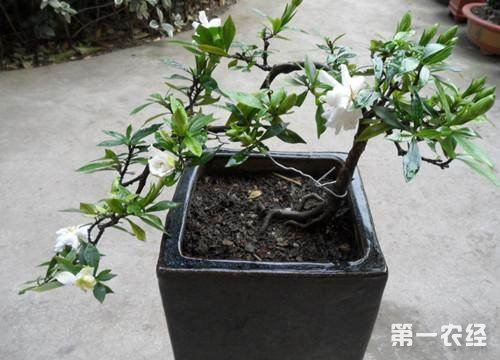
What to Do When Flowers Won't Bloom? Cause Analysis and Prevention Methods
How to prevent flowers from failing to bloom? Whether a flower blooms is influenced on the one hand by the plant's internal mechanisms, and on the other hand by external environmental conditions; neither can be missing. Flowers, like other plants, must go through a certain vegetative growth stage before they can shift into the reproductive growth stage
-

Detailed Explanation of Pyracantha Bonsai Cultivation Techniques and Management Methods
Pyracantha bonsai cultivation techniques. Pyracantha potted plants can be used for indoor fruit viewing in winter and for making bonsai. For ground planting, choose a plot with high, dry terrain and good drainage. Plant before spring bud break or in late autumn; in the south, planting can be done during the plum rain season. Pyracantha has a taproot system with few fibrous roots, so to ensure a high survival rate, it is generally planted with a soil ball.
-
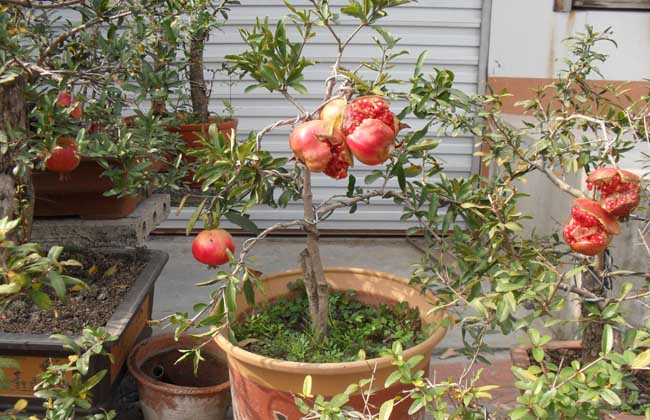
How to prune a pomegranate bonsai? Detailed pruning methods and techniques
Pomegranate bonsai pruning methods. The pomegranate is a clump-forming shrub with abundant branches and leaves and poor ventilation and light penetration. To keep it growing robustly, pruning and shaping are very important, and pruning can be carried out according to its branching and flowering habits. Over the course of a year, the pomegranate can produce 2-3 flushes of new shoots; the spring shoots bear many flowers, while the summer and autumn shoots bear few
-
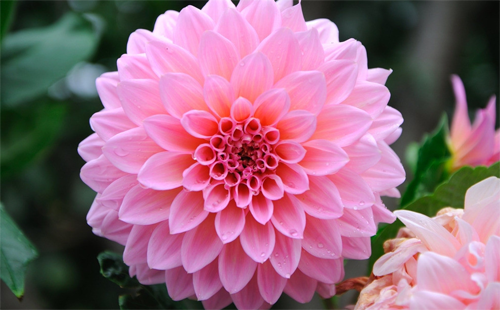
What are the methods for propagating dahlia tubers?
Methods for propagating dahlia tubers. Dahlias have tall, stately form, varied flower shapes, brilliant colors and elegant bearing, making them important bulb flowers for bedding displays, flower borders, courtyards and containers, as well as excellent material for cut flowers. Double-flowered dahlias with high ornamental value are very difficult to obtain seed from
条件筛选