Cornflower Planting Methods and Key Technical Points
Cornflower planting methods. Cornflowers have rich colors, unique flower shapes, and a long flowering period. They can be used for cut flowers or as flower border material, and dwarf varieties are more suitable for planting in flower beds.
Cornflower is a biennial herbaceous plant of the Asteraceae family, native to southeastern Europe, with strong cold resistance and adaptability. It likes sunlight and requires fertile, well-drained sandy soil, but it can also grow in relatively poor soil. The flowering period is April to May, the seed germination rate is relatively high, and it has self-seeding ability.
Cornflower is propagated by sowing. Generally, seeds are sown in open-field seedbeds from mid-August to early September, germinating quickly and growing very fast. After sowing, they germinate in 7 to 8 days. When 3 to 4 true leaves grow, they are transplanted once. When the seedling clump stem is 8 to 10 cm, they can be planted in place. Planting in place is generally completed in November, because at this time both the ground temperature and air temperature are suitable for the seedlings to grow into large plants before winter arrives, so that they can bloom earlier the following year. If planting in place is too late, it is not conducive to plant growth.
Transplanting and planting in place of cornflowers should be carried out on a sunny evening or a cloudy day. During the seedling stage, pay attention to pinching and topping, which can promote branching, increase the number of flowers, and also dwarf the plant, improving its ornamental value.
Cornflowers have good water-holding performance in vases and are suitable as cut flower material. Cornflowers generally bloom continuously from April to May, and the flower heads gradually mature and set seed. If the flower heads become overmature, the fruits are likely to scatter, so when most flower heads turn yellow and withered, harvest the whole plant in time, thresh after drying, store in a cool and dry place, and sow again in autumn. The above is an introduction to cornflower planting methods.
What Is the Flower Language of Cornflower? Introduction to Cornflower Planting Methods
Cornflower has fresh and beautiful colors, a very pretty flower shape, and tenacious vitality, which has won the praise and love of the German people. Cornflower is regarded as the national flower in Germany and North Macedonia. Next, wed114 will introduce the flower language of cornflower and cornflower planting methods for everyone, hoping to provide help to friends who love cornflowers.
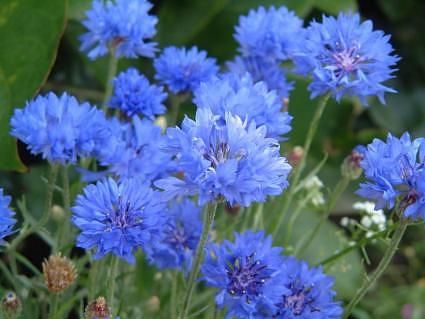
Cornflower Planting Methods
The Flower Language of Cornflower
The flower language of cornflower is: encounter and happiness
Another interpretation is: delicate, elegant, encountering happiness, the happiness of being single, rebirth, love and loyalty, longing.
Cornflower Planting Methods
Cultivation Steps for Cornflower
I. Seedling Raising
When cultivating cornflowers, choose loose and fertile soil as the bed, cover with about 0.2 cm of soil. Cultivation: when the seedlings develop 6 to 7 true leaves, transplant them. For pot cultivation, plant one plant per 13 to 17 cm pot. After the seedlings are planted in place and survive, pinch once to promote more branching and more flowering. Conversely, if there is too much branching, some lateral buds should be removed when necessary to obtain larger flowers. Because of its taproot nature, it is better to sow directly. For autumn sowing in open fields, cover for overwintering, and it will bloom in early summer. If overwintered in a cold frame, it can bloom in late spring. For spring sowing, sow as early as possible. It blooms in June.
II. Cultivation Site
Because cornflower originated in European fields, it is somewhat cold-tolerant and prefers cool places with sufficient sunlight.
Cornflower Planting Methods
III. Soil
Cornflower relatively prefers loose, fertile, and well-drained sandy loam. The cultivation soil should be made to drain and aerate as well as possible. If the soil is relatively heavy and clayey, 30 to 40 percent tree fern fiber or perlite can be mixed in to improve it.
IV. Watering
In principle, watering once a day is already sufficient. However, in drier summer weather, water once in the morning and once in the evening to keep the pot soil moist and lower the temperature of the potted plant, but avoid waterlogging.
Cornflower Planting Methods
V. Fertilizing
Cornflower likes plenty of fertilizer. During the growing period, apply a diluted liquid fertilizer of the three major elements once a month. If the leaves are too luxuriant, reduce the proportion of nitrogen fertilizer. Before flowering, it is better to apply more phosphorus and potassium fertilizer so as to obtain relatively large flowers with beautiful colors.
VI. Flowering Period Management
Cornflower can naturally produce lateral branches. With many lateral branches, the flowers are smaller. When necessary, some lateral buds can be removed, leaving only smaller branches, so larger flowers can be obtained. Cornflower is a long-day plant. In winter, when sunlight duration is shorter, using a plant lamp to supplement lighting at night can make flowering earlier.
Cornflower Planting Methods: Teaching You How to Grow Beautiful Cornflowers
Cornflower, also called blue cornflower, emerald blue, and lychee chrysanthemum, was originally a wild flower that likes places with sufficient sunlight and good drainage. After years of breeding by people, cornflower flowers have become more and more beautiful and their colors more and more abundant. The flower language of cornflower is the happiness of being single and encountering happiness. So, how do you plant cornflower? Below, the editor will share cornflower planting methods with everyone.
Cornflower planting methods:
Soil: Cornflower relatively prefers loose, fertile, and well-drained sandy loam. The cultivation soil for cornflower should be made to drain and aerate as well as possible. If the soil is relatively heavy and clayey, 30 to 40 percent tree fern fiber or perlite can be mixed in to improve it.
Watering: In principle, cornflower is watered once a day, but in drier summer weather, water once in the morning and once in the evening to keep the pot soil moist and lower the temperature of the potted plant, but avoid waterlogging. During the rainy season, be sure to drain promptly, otherwise it will cause root rot and affect the normal growth of the plant.
Light: Cornflower is a long-day plant. In winter, when sunlight duration is shorter, using a plant lamp to supplement lighting at night can make cornflower bloom earlier.
Fertilizing: Cornflower likes plenty of fertilizer. During the growing period, apply a diluted liquid fertilizer of the three major elements once a month. If the cornflower leaves are too luxuriant, reduce the proportion of nitrogen fertilizer. Before flowering, it is better to apply more phosphorus and potassium fertilizer so as to obtain relatively large flowers with beautiful colors.
Pruning: Cornflower can naturally produce lateral branches. With many lateral branches, the flowers are smaller. When necessary, some lateral buds can be removed, leaving only smaller branches, so larger flowers can be obtained.
Cornflower propagation methods:
Cornflower is commonly propagated by seeds. Both spring and autumn sowing are acceptable, but sowing in mid-to-late September is better. Sow cornflower in a prepared seedbed, cover with soil to the extent that the seeds are no longer visible, press slightly, cover with grass, water thoroughly, and keep the soil moist. After cornflower germinates, remove the covering grass. Cornflower germinates quickly and grows very fast. When the seedling clump diameter reaches 10 to 15 cm, plant in place, with a plant spacing of 20 cm and a row spacing of about 40 cm.
When cornflower is cultivated in a greenhouse, flower buds begin to form in February. When cornflower is in full bloom, flowers should be picked every other day, otherwise the flower color will fade. Once the cornflower flower heads dry up, seeds can be collected. Spring sowing should be early; seeds can be sown as soon as the ground thaws. It blooms in June, and dies in hot summer, with a short flowering period and poor growth. Therefore, spring sowing is not as good as autumn sowing. For autumn sowing in open fields, mulch needs to be added to protect against cold and overwinter.