-
How to Grow Crinum asiaticum in the North? A Detailed Guide to Its Cultivation Methods
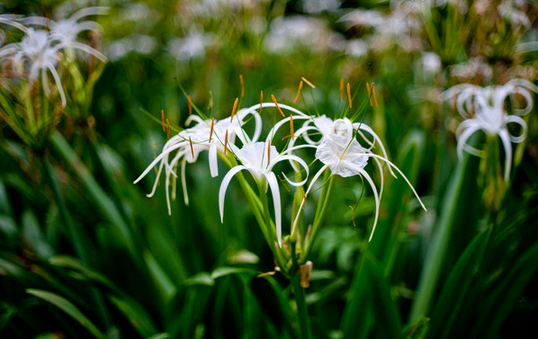
Crinum asiaticum (crinum lily) originates from the tropical regions of Asia. Because it is not cold-tolerant, it is grown as a potted ornamental plant in the north. Although it can bloom in the north, producing seeds is difficult, so it is generally propagated by separating and replanting the offshoots that grow from the base of the stem. It prefers a warm, humid climate and tolerates saline-alkaline soil, and it should be kept from harsh sun exposure in summer. Crinum asiaticum is easy to manage
-
How does lotus reproduce? A detailed introduction to the common propagation methods
How does lotus reproduce: 1. Seed propagation (1) Soaking seeds Collect fully mature lotus seeds in August to September and store them; they can be sown from mid-April to June. Before sowing, break a small opening at the recessed end of the lotus seed to expose the seed coat, as long as the embryo is not damaged; generally they germinate in 3 to 7 days (if sown in July to August, although they can germinate, the temperature is high at this time, and after the seedlings are planted, the young leaves leaning against the pot wall are easily scorched under the hot sun, and the growth period is short, so flowering in the same year is difficult, and new lotus rhizomes may even fail to form).
-
How to plant lotus? Detailed explanation of planting methods and techniques
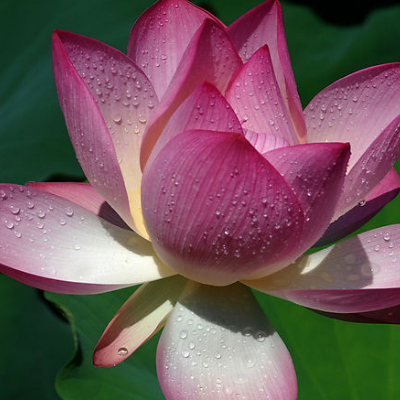
How to plant lotus: Flower pot selection. For the flower pot container, choose glazed pots, porcelain pots, purple clay pots, plastic flower pots, etc., with good ornamental appearance and moderate size. The bottom hole of the pot should be sealed tightly with cement and yellow sand. For small ornamental lotus varieties, a pot with a diameter of 26 cm and a height of 20 cm is suitable.
-
What are the common propagation methods for Serissa japonica?
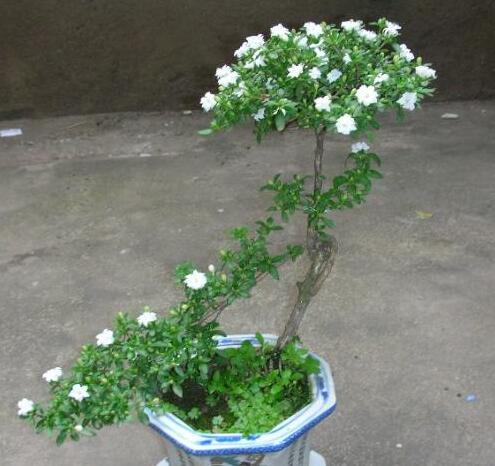
Serissa japonica is mainly propagated by cuttings, and can also be divided and layered. 1. Cuttings are mostly taken during the plum rain season. Choose strong, pest- and disease-free branches and cut them into 8-10 cm long cuttings, which can be inserted directly into plain sand. After inserting, water thoroughly and provide appropriate shade
-
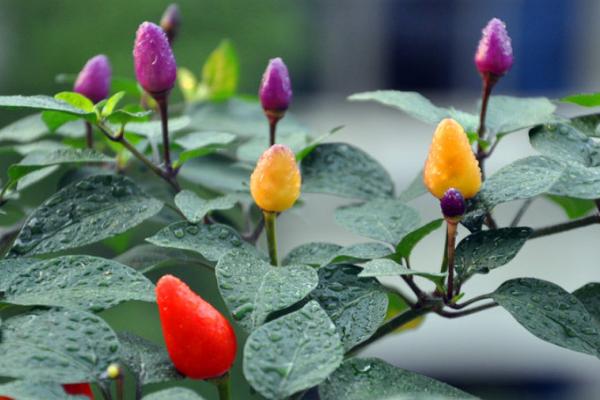
A Detailed Guide to Five-Color Pepper Planting Techniques and Management Methods
Five-color pepper planting techniques. Five-color pepper, also known as five-color chili, five-color pepper, or heavenly-facing pepper, is a perennial semi-woody plant in the Solanaceae family, often grown as an annual. Its leaves resemble those of chili peppers, the plant is slightly smaller, the flowers are white, and the fruit shapes are varied; it is a variety of chili pepper. There are many varieties or horticultural cultivars of the same kind: some are bright red
-

Fig Cultivation Methods and Key Management Techniques
Cultivation and management of figs. Figs love abundant sunlight, water and fertilizer, and thrive in fertile, moist soil. For potted figs, it is best to repot each year before buds break in early spring, and after moving them outdoors, keep them in a sunny spot. During the growing period, apply sesame-paste residue water about once every half month, and stop fertilizing after the end of September.
-
What to do about leaf curl disease in plum blossoms? Causes and control methods
Causes and control methods of leaf curl disease in plum blossoms. So-called leaf curl disease refers to plum blossoms under water-deficient conditions, where both sides of the leaf fold inward toward the center of the upper surface and curl, showing a listless, wilted state; it is a physiological disease. Leaf curl disease not only affects the beauty of the plum tree, but in severe cases can cause leaf drop.
-
What are the cultivation methods for Taiwan cinnamon?
Cultivation methods for Taiwan cinnamon? Taiwan cinnamon usually refers to Lanyu cinnamon (Cinnamomum kotoense) and Taiwan cinnamon (Cinnamomum osmophloeum) native to Taiwan, China, and in recent years it has been widely used in southern China as a foliage plant displayed indoors. The optimal growth temperature for Lanyu cinnamon is 22-30°C. It prefers a warm, frost-free, foggy and humid climate environment, and its cold resistance is relatively weak.
-
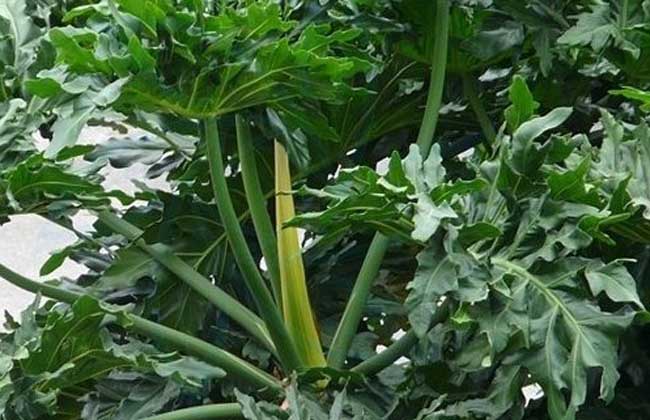
How to grow a Monstera deliciosa so it blooms? A detailed guide to cultivation methods
Cultivation methods to make a Monstera deliciosa bloom? For large Monstera deliciosa plants that have been cultivated for a long time, under greenhouse cultivation conditions with air humidity reaching 60%-70%, flowering and fruiting, or one plant bearing multiple flowers, is a normal phenomenon. But its pale yellow spathe is huge and peculiar, and its yellow-green spadix is thick and long, rarely seen under ordinary circumstances
-

How to grow Cordyline fruticosa? Growing methods and precautions
How to grow Cordyline fruticosa? A good Cordyline fruticosa has an upright trunk, brilliant leaf colors, and clustered leaves shaped like an umbrella, with a very elegant posture. It is an excellent indoor foliage plant. To make Cordyline fruticosa full and well-shaped, pay attention to the following points: Cordyline fruticosa likes a warm and humid environment, but it can also tolerate shade, and it is not tolerant of cold or frost.
条件筛选