-
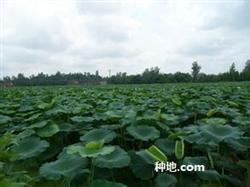
Identification and Control Methods for Common Lotus Root Diseases
What are the common lotus root diseases and how to control them? Asking for advice. Common lotus root diseases are: 1. Lotus root brown spot disease: a common leaf disease of lotus root, producing light brown lesions on the leaves, causing localized drying of the diseased leaves. Control methods: rational close planting to ensure ventilation and light penetration in the lotus field; appropriately increase the application of phosphorus and potassium fertilizers to enhance...
-
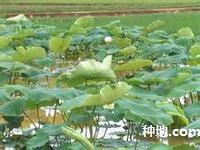
What are the disease control methods for lotus root cultivation?
How do you control diseases when growing lotus root? What are the techniques? Lotus root is a high-yield, high-efficiency aquatic economic crop and a vegetable variety commonly eaten by the general public. It is widely cultivated in various regions, and with industrial restructuring in various places, its cultivation area has been continuously expanding. In recent years, lotus root diseases have become increasingly serious and have...
-
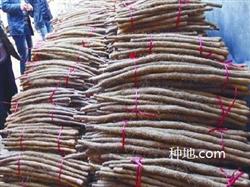
What methods are there for disinfecting round yam seed tubers?
How should yams be planted to achieve high yields? I would like some guidance. To achieve high yields when growing yams, the following cultivation techniques can be referenced: 1. Choose a suitable plot and do a good job of deep plowing and land preparation. Yam is a tuber crop, and its tubers go deep into the soil. It is drought-tolerant and afraid of waterlogging, and prefers deep, loose soil. Therefore, choose a high, dry area with good drainage...
-
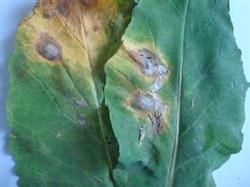
What are the control methods for rape black spot disease?
I. Symptoms Rape black spot disease mainly damages leaves, leaf stalks, stems and siliques. When leaves are infected, brown round spots appear initially, slightly concentric-ringed, sometimes with a yellow halo around them, and under high humidity black mold-like growth forms on them. When the leaf stalk and the junction between the leaf stalk and the main stem are infected, elliptical to spindle-shaped ring-patterned spots form, encircling...
-
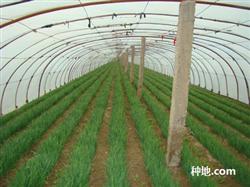
How to weed after planting Chinese chives? Introduction to common methods
How to harvest Chinese chives grown in a greenhouse? What should be noted? When Chinese chives grow to 5-6 leaves, growth is already relatively full, the leaves are wide and long, the pseudostem is both thick and round, and the nutrients transported to the underground part are also relatively abundant, so harvesting can be carried out at this time. Generally, it takes about 30 days from covering to the first cut. When cutting Chinese chives, choose a sunny day and early...
-
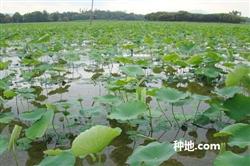
How to fertilize lotus root planting? Detailed explanation of fertilization methods
How can pollution-free lotus root cultivation achieve high yields? How should management be carried out? For pollution-free lotus root cultivation, you can refer to the following techniques: 1. Field selection: Choose low-lying wet fields with convenient irrigation and drainage, with yellow mud or blue mud soil being best. 2. Fine land preparation and sufficient base fertilizer: 1. To build soil fertility, you can use the method of turning under green manure, that is...
-
How to Fertilize Rapeseed for High Yield? A Detailed Guide to Practical Fertilization Methods
1. Apply seedling fertilizer early. In late November or early December, mainly use organic fertilizer, applying 1500-2000 kg of organic fertilizer per mu. For some fields with poor growth, an appropriate amount of chemical fertilizer should also be applied. 2. Apply stem-elongation fertilizer at the right time. Stem-elongation fertilizer should preferably be applied when the main stem bolts to 10 cm. For fields with good early seedling vigor, it may be slightly...
-
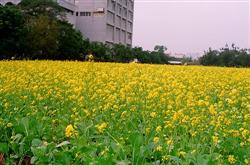
New tricks for winter management of rapeseed: master the methods to help it overwinter
Generally, the boron content in cruciferous crops is higher than in monocotyledonous crops; usually, crops with a high boron content also have a high boron requirement. Boron can promote the normal development of the reproductive organs of boron-loving crops such as rapeseed, accelerate pollen germination and pollen tube elongation, and facilitate fertilization and seed setting. When boron is deficient, these organs may wilt...
-
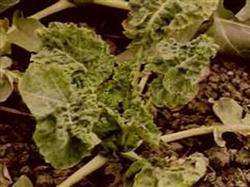
Symptom Identification and Control Methods of Rapeseed Viral Diseases
[Distribution and Damage] It occurs to varying degrees in all rapeseed-producing areas across the country, and generally the winter rapeseed areas suffer more severe disease than the spring rapeseed areas. This disease is caused by single or mixed infection of viruses such as Turnip mosaic virus (TuMV), Cucumber mosaic virus (CMV), Tobacco mosaic virus (TMV) and Rapeseed mosaic virus (YMV). Generally, yield is reduced by 20%-3...
-
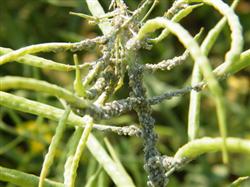
What are the methods for controlling rapeseed aphids?
[Distribution and damage] The aphids that damage rapeseed are mainly three species: the turnip aphid (Lipaphis erysimi), the green peach aphid (Myzus persicae) and the cabbage aphid (Brevicoryne brassicae). The turnip aphid and the green peach aphid occur commonly in all provinces (regions) of China. These three aphids often occur together on rapeseed, using their needle-like mouthparts to...
条件筛选