-
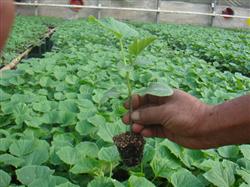
How to Graft Bitter Melon? Methods and Key Technical Points Explained
1. Grafting bitter melon is mainly aimed at preventing Fusarium wilt. The main grafting method is the approach grafting method, which is divided into: 1. Seedling approach grafting 2. Mature plant approach grafting. 1. Seedling approach grafting (currently the main grafting method used in seedling nurseries): Bitter melon and loofah are simultaneously disinfected, soaked and germinated, then sown separately in plastic seedling trays; the medium in the cells is best peat moss, or a self-mixed blend of 1 part decomposed compost and 3 parts river sand or clean soil. After sowing, place in a sunny, well-ventilated spot; when the first true leaf has fully grown and the second true leaf is about to appear, this is the suitable period for grafting. The steps are:
-
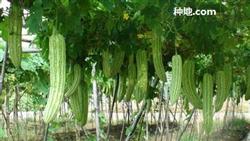
What methods are there to improve the fertilizer uptake rate of bitter melon?
How can bitter melon be managed to achieve a high yield? Please advise: for seed soaking and sprouting, select early- and mid-maturing large bitter melon varieties with vigorous growth, strong fruiting capacity, plump bodies, and fruit length over 25 cm, and mix the seeds with New High-Fat Film (can be mixed with seed treatment agents or pesticides), which can repel underground pests and diseases, isolate viral contamination, and strengthen seed respiration...
-
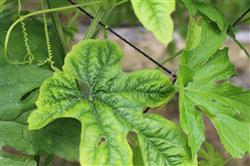
What are the methods for preventing and controlling pests and diseases in bitter melon?
How do you prevent and control pests and diseases in bitter melon? Please advise, thank you. The pests that are relatively difficult to control in bitter melon include the melon fruit fly, melon aphid, and melon webworm. 1. Melon fruit fly: commonly known as the "needle bee," the adult lays eggs in the fruit, and the larvae bore and feed inside the flesh, causing the fruit to rot and even drop, seriously affecting fruit quality and yield. Currently it is...
-
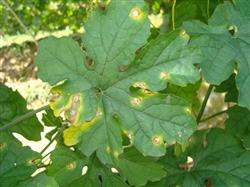
Detailed Explanation of Bitter Melon Seed Saving Methods and Key Technical Points
How can bitter melon yellow leaves be effectively prevented and controlled? Please advise. The symptoms of bitter melon yellow leaves are as follows: the leaves of the entire bitter melon plant turn yellow and lose their green color, the leaf veins dry up, the stems have fine cracks or split into 1-2 cm fissures, the top of the plant grows slowly and gradually shrivels, and when the plant's root system is pulled out, it is found that the root system is underdeveloped....
-
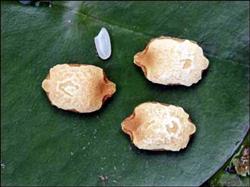
How should bitter melon seeds be treated before sowing? All the practical methods are here
How should bitter melon seeds be treated before sowing? Please advise. Bitter melon seed sowing requires: soaking seeds in clean water. Different soaking times have a certain effect on bitter melon seed germination; generally, as the soaking time is extended, seed germination capacity (germination vigor and germination rate) gradually increases, reaching a maximum at 12 hours, and beyond 12 hours, germination capacity shows a down...
-
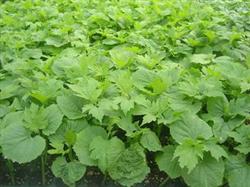
Detailed Explanation of Bitter Melon Seedling Raising Methods and Technical Points
How are bitter melon seedlings raised? Seeking advice. The seed coat of bitter melon is thick and hard. If the seeds are sown directly into the field, water cannot easily penetrate inside, germination is slow, seedlings emerge unevenly, and the rate of missing seedlings is relatively high. Therefore, seeds should be soaked and sprouted before sowing. (1) Sprouting method: first place the seeds in warm water at about 55...
-
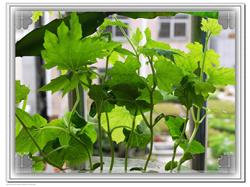
Bitter Melon Seedling Stage Management Methods and Technical Key Points
How to manage bitter melon at the seedling stage? Please advise on the following points to note during the bitter melon seedling stage: 1. Intertillage, weeding and earthing up: generally after planting and watering to help the seedlings recover, carry out the first intertillage when the surface soil is slightly dry and no longer sticky. If there are strong winds or the soil is dry, water thoroughly once more before intertilling. The second intertillage can be done...
-
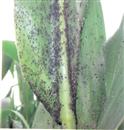
Spring Corn Aphid Control Methods and Key Points for Pesticide Application
The spring corn aphid belongs to the order Homoptera, family Aphididae, and mainly damages crops such as corn, sorghum, wheat, and foxtail millet, with adults and nymphs piercing and sucking plant sap. During the seedling stage, aphids gather on the undersides of leaves and in the heart leaves, causing damage. In mild cases, corn growth is poor; in severe cases, plant growth stagnates, and even seedlings die. In addition, it can transmit corn dwarf mosaic virus disease...
-
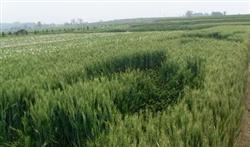
What are the methods for preventing lodging in spring wheat?
"Lodging" is one of the main obstacles affecting wheat yield under conditions of high fertilizer and water. In recent years, the promotion and application of plant growth regulators in wheat production has opened up a new way to prevent lodging and promote increased yield, and is an important supporting technical measure for high and stable wheat yields. 1. Spraying paclobutrazol during the wheat jointing stage...
-
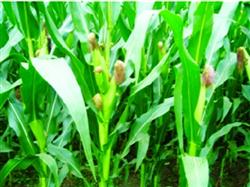
Planting spring corn requires good seed plus good methods
Fresh-eating type corn is generally divided into sweet corn and waxy corn; it has a unique flavor, is rich in nutrients, has a large market capacity, high yield and good returns. When grown as spring corn, it takes about 90 days from sowing to fresh ear harvest and does not affect the planting of hybrid late rice. To grow spring fresh-eating type corn well, the following points should mainly be grasped: first, choose...
条件筛选