-
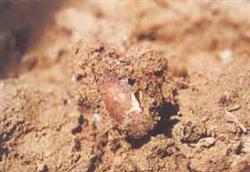
What to Do About Seed Rot in Spring Peanuts? Detailed Explanation of Causes and Control Methods
Symptoms: After spring peanuts are sown and before emergence, seed rot often occurs, with severe cases reaching 10%-20%, causing varying degrees of missing plants and broken rows. Causes: Poor seed quality or improper storage, or overly long storage periods; low-lying geothermal areas, heavy clay soil, poor soil texture, high soil water content, long emergence time for seeds, poorly firmed seedbed preparation, affecting...
-

-
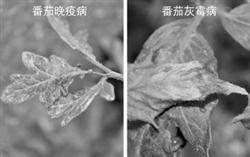
Identification Methods for Late Blight and Gray Mold in Greenhouse Tomatoes
Late blight and gray mold are important diseases that severely affect the yield and output value of spring-season greenhouse tomatoes in northern China. Early detection and accurate identification are the prerequisites for effective prevention and control. Their field symptoms often vary with cultivar and environmental conditions, and are easily confused with each other or with other diseases, causing confusion for growers. The following is an introduction to the...
-
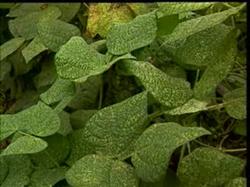
Identification and Control Methods for the Mung Bean Pest, the Legume Pod Borer
(1) Damage conditions. Also known as the cowpea pod borer, the legume pod borer, and the cowpea borer. It is fairly widespread in China, with severe outbreaks south of the Yangtze River. The larvae bore into and feed on the host's flower organs, causing flowers to drop; they bore into pods, causing pod drop in the early stage and pod and seed rot in the later stage. In addition, they can spin silk to tie several leaves together and roll them up, ...
-
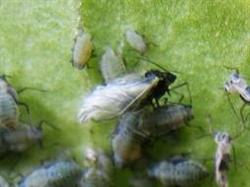
What are the methods for controlling aphids on mung bean vegetables?
① Resistant varieties: Within the same vegetable species, different varieties have different resistance to insects. For example, aphids generally dislike feeding on some hairy varieties, and these can be selected according to local conditions. ② Clean the field: Clear weeds from the field promptly and repeatedly, especially when weeding in early spring and late autumn, which can eliminate many sources of insects. During the growing period, promptly pull out plants with more insects...
-
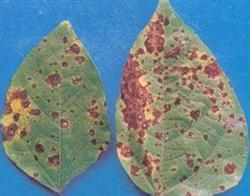
Control Methods and Precautions for Mung Bean Leaf Spot Disease
Mung bean leaf spot disease is a serious disease harming mung beans, causing the leaves to dry up, quality to decline, and yield to decrease. Below is an introduction to the symptoms, transmission routes, conditions for onset, and control methods of mung bean leaf spot disease. Symptoms: Mung bean leaf spot disease mainly harms mung beans, with the affected part being the leaves. ...
-
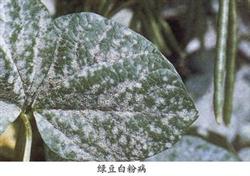
What are the effective methods to prevent mung beans from being damaged by insects?
Symptoms: Mung bean powdery mildew affects leaves, stems and pods. When leaves are affected, scattered white powdery mildew spots appear on the surface; when the climate is suitable, the diseased leaves are covered with white powdery material, and in severe cases the leaves turn yellow and drop early. When young pods are affected, they become deformed, with white powdery material on the surface, and later black...
-
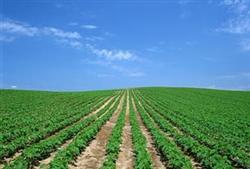
What are the main diseases of mung bean? Detailed explanation of control methods
When planting mung bean, chemical fertilizers cannot be used as fertilizer, and nitrogen-containing fertilizers should be avoided even more. Moreover, sowing cannot be done before rain, and when sowing, the seedlings should be even, so that balanced nutrition can be ensured. The field should be inspected in time, and areas with missing seedlings should be replanted in time, with seedlings thinned at the 4-leaf stage. In poor plots, during the seedling stage every...
-
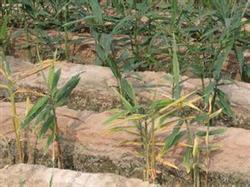
Effective control methods for ginger stem base rot
In recent years, with the continuous expansion of continuous ginger cropping areas, combined with extensive field management, ginger diseases have also shown a worsening trend, especially since June, due to high temperatures and frequent rain, ginger stem base rot is most likely to occur. Recently, Li Hualiang and Lu Changlei from Renzhao Town, Pingdu City, Shandong Province, and Yu Wanquan from Ju County and others reported that in their area...
-
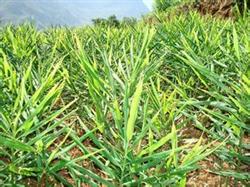
Detailed Guide to Harvesting and Seed-Saving Methods for Ginger
Ginger harvesting, based on the intended product use, is divided into seed ginger harvest, young ginger harvest, and mature ginger harvest. Seed ginger is generally harvested in late June, when the seedlings have 4-5 leaves; carefully loosen the soil and gently snap the connection between the seed ginger and the new ginger to remove the seed ginger. If harvested too late, digging damages too many roots, affecting the continued growth and...
条件筛选