What are the effective methods to prevent mung beans from being damaged by insects?
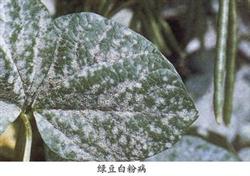
Symptoms: Mung bean powdery mildew affects leaves, stems and pods. When leaves are affected, scattered white powdery mildew spots appear on the surface; when the climate is suitable, the diseased leaves are covered with white powdery material, and in severe cases the leaves turn yellow and drop early. When young pods are affected, they become deformed, with white powdery material on the surface, and later black...
 Mung beans are nutritious, and eating them in summer relieves heat and quenches thirst, clears heat and detoxifies. Stored mung beans are easily bored and eaten by insects, among which the mung bean weevil is the most serious pest. The mung bean weevil, also known as the small bean weevil, belongs to the order Coleoptera, family Bruchidae. The adult is only 2.5 mm to 3.5 mm long, and the larvae are even smaller, milky white, hiding specifically inside the bean grains to bore and eat the cotyledons.
(1) Chemical fumigation When storing a large amount of mung beans in a warehouse, certain chemical agents can be used to kill the bean weevils. Commonly used agents include aluminum phosphide, chloropicrin, methyl bromide, dichloroethane, etc. The dosage is calculated according to the warehouse volume (0.4 g/cubic meter to 1 g/cubic meter), then placed in a lead-sheet container and heated, and the warehouse doors and windows are sealed for several hours, which can kill the bean weevils inside the mung beans.
(2) Boiling water soaking Prepare a pot of boiling water and a vat of cool well water. Put a thin layer of bean grains in a bamboo basket, then immerse the bean grains in the boiling water, stir quickly for 0.5 min to 1 min, immediately remove them and immerse them in the cool water to cool, and finally put them in the sun to dry. This method kills insects relatively thoroughly and can keep the color of the bean grains unchanged, so they can be used for processing. But it is best to do this on a sunny day.
(3) Mixing with vegetable oil When storing, add vegetable oil such as rapeseed oil or cottonseed oil at a ratio of 5 mg per 1 kg of mung beans, and mix the bean grains and vegetable oil thoroughly. In this way, a thin oil layer impermeable to water and air will form on the surface of the bean grains, and the eggs and larvae will die from suffocation due to lack of oxygen supply.
(4) Sun-drying the seeds before storage For mung bean seeds that farmers store in small quantities, on the basis of drying them in the sun, collect the bean grains in the afternoon when the sunlight is stronger, put them in a sealed dry container, then cover them tightly with hot wheat bran or rice bran that has been dried after being heated in the same way, and seal them for about 20 days. The extremely dry environment inside the container can kill the larvae lurking inside the bean grains. Mung beans must not be sealed and stored in plastic bags, because this packaging material is not breathable, the respiration of the seed beans is hindered, and germination is affected. It is best to turn and sun-dry them another 1 to 2 times on sunny days in the second year in spring and summer. But note that bean grains used as seeds or for sprouting beans must not be sun-dried on cement yards, iron sheets or felt, so as to avoid damaging the seed embryos.