How to treat grape water rot? Detailed control methods
Based on your description, it is likely grape white rot, one of the most important grape diseases, especially in rainy years when it often occurs together with anthracnose, causing great damage. Grape white rot can harm clusters, canes and leaves. After the cluster and rachis are infected, they become light brown and water-soaked rot, and the whole cluster or part of the small clusters...
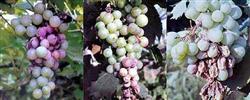
Based on your description, it is likely grape white rot, one of the most important grape diseases, especially in rainy years when it often occurs together with anthracnose, causing great damage. Grape white rot can harm clusters, canes and leaves. After the cluster and rachis are infected, they become light brown and water-soaked rot, and the whole cluster or part of the small clusters fall off. When the berries are infected, they first become light brown and soft-rotted; after 4 or 5 days the berries are covered with small white dots, which are the pathogen's pycnidia, and the diseased berries drop off very easily or lose water and become mummified fruit. After small young berries are infected, they become withered. New shoots and leaves can also be infected, but this is uncommon in the field.
Control methods:
1. Clean up the source of the pathogen. After the vines emerge from the soil, spray 200-fold sodium pentachlorophenate to eliminate the pathogen.
2. Improve the trellis layout and raise the fruiting position. Hang and tie or bag the clusters within 40 cm of the ground.
3. Carry out shoot pinching and removal of lateral shoots in time, and pay attention to drainage in the rainy season and weed control in the field.
4. Cover the ground under the trellis with black plastic film. After flowering, lay the film, with the covered area accounting for 60% of the vineyard. The film isolates the pathogen in the soil and also helps preserve moisture and control weeds.
5. Strengthen chemical control: from before flowering until just before harvest, spray once every 15 to 20 days. 75% chlorothalonil at 600- to 800-fold has the best control effect, and 1:0.5:0.7:200 Bordeaux mixture also has a good control effect; they should be used alternately.