-
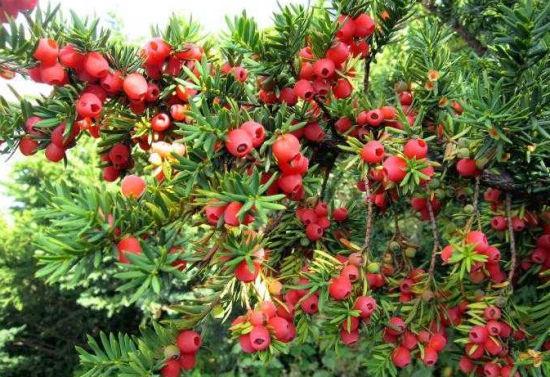
Compound Management Technology for Magnolia officinalis and Taxus wallichiana var. mairei Mixed Forest with Codonopsis pilosula
Compound Management Technology for Magnolia officinalis and Taxus wallichiana var. mairei Mixed Forest + Codonopsis pilosula 1 Analysis of Compound Management Adaptability 1.1 Main Biological Characteristics Magnolia officinalis is a deciduous tree distributed at an altitude range of 500-1,500 m, preferring a cool, moist, and well-lit environment. ...
-
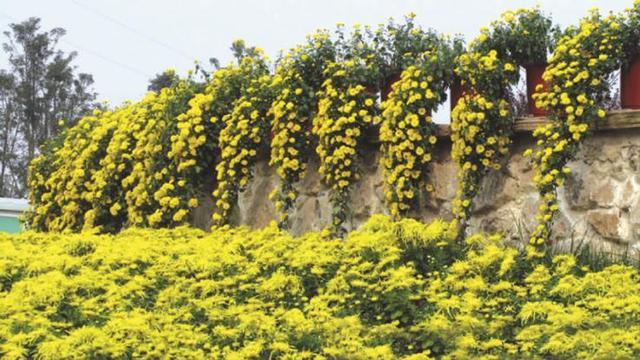
Key Techniques for Propagation and Management of Potted Cascading Chrysanthemums
Propagation and Management of Potted Cascading Chrysanthemums. The cascading chrysanthemum is a training and planting method for chrysanthemums that makes use of the characteristics of small chrysanthemums, such as abundant branching, slender and pliable stems, and dense flowering, to imitate the natural drooping posture of wild chrysanthemums in the mountains. The plant is trained into a pendulous, cliff-like form, and with...
-
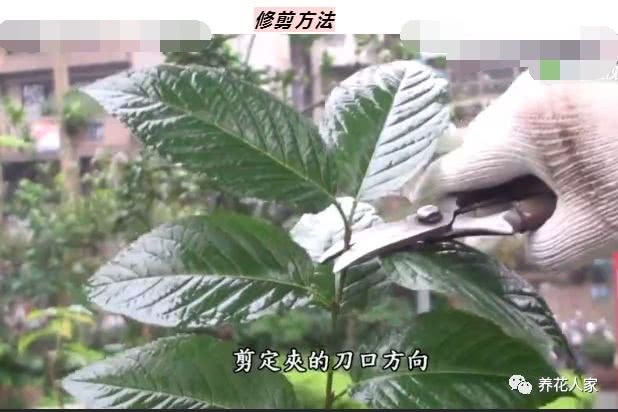
How are flowers pruned? Growing flowers is seven parts management and three parts pruning
People who grow flowers often say: seven parts management, three parts pruning. Flower lovers who love planting flowers and grass surely understand that proper pruning has a great deal to do with maintaining plant shape, suppressing excessive growth, and extending the flowering and fruiting periods, but quite a few flower growers...
-
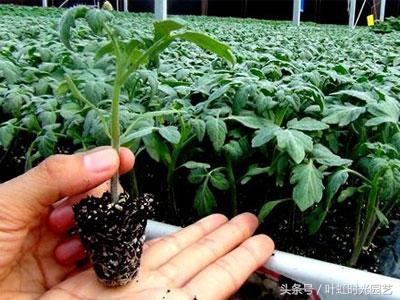
Root rot and dead seedlings after transplanting vegetables? Pre-transplanting management is the key
Many growers encounter problems such as root rot, wilting, and decaying roots in young seedlings after transplanting vegetables, which brings a lot of trouble to management. When this happens, it is often because the detail of pre-transplanting management has been neglected. Pre-transplanting...
-
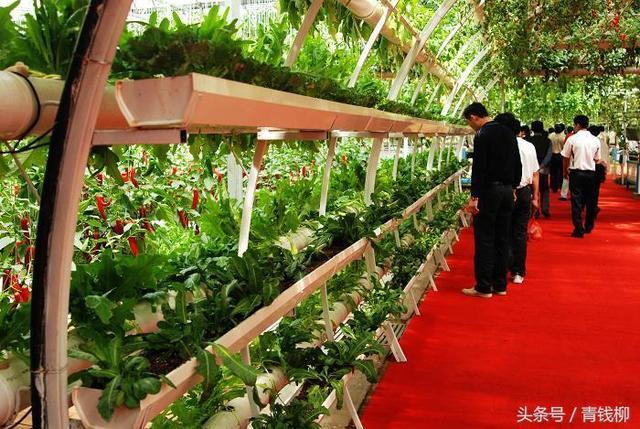
Facility System Construction and Nutrient Management Techniques for Organic Ecological Soilless Cultivation
Facility System Construction and Nutrient Management for Organic Ecological Soilless Cultivation 1 Facility System Construction The organic ecological soilless cultivation system adopts the form of substrate trough cultivation. When finished troughs of standard specifications are not available, locally available materials can be used to build the troughs, such as wooden boards, wooden strips, bamboo poles, or even bricks. In practice, only the frame of the trough without a bottom is built, so it does not need to be particularly sturdy, as long as it can keep the substrate from scattering onto the walkway. After the trough frame is built, lay a layer of 0.1 mm thick polyethylene plastic film at the bottom of the trough to prevent soil-borne diseases and pests from spreading. The trough frame is 15-20 cm high, and the trough width depends on the different cultivated crops. For vining crops such as cucumber and melon, or tall crops like tomato that require support stakes, the standard trough width is set at 48 cm, which can accommodate two rows of crops, with a trough spacing of 0.6-1 m. For shorter crops such as lettuce, bok choy, and strawberry, the trough width can be set at 72 or 96 cm, with a trough spacing of 0.5-0.8 m. The trough length should be determined according to the structural conditions of the protected greenhouse, generally 5-30 m. Under conditions where there is tap water infrastructure or a storage tank with a water level difference of more than 1 m, an independent water supply system can be built for a single greenhouse. For a trough width of 48 cm, 1-2 drip irrigation tapes can be laid; for a trough width of 72-96 cm, 2-4 drip irrigation tapes can be laid.
-
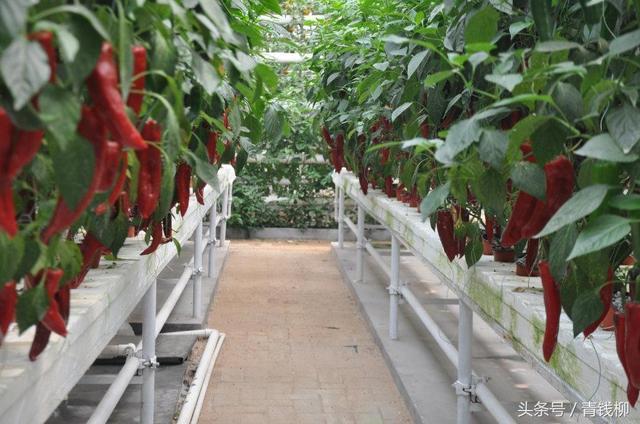
Key Technical Points for Organic Ecological Soilless Cultivation Management
Cultivation Management of Organic Ecological Soilless Cultivation 1. Seedling Raising for Organic Ecological Soilless Cultivation (1) Variety Selection Select vegetable varieties that are high quality, disease-resistant, high-yielding, tolerant of storage and transport, good in marketability, and suited to market demand. (2) Seedling Raising Organic ecological soilless...
-
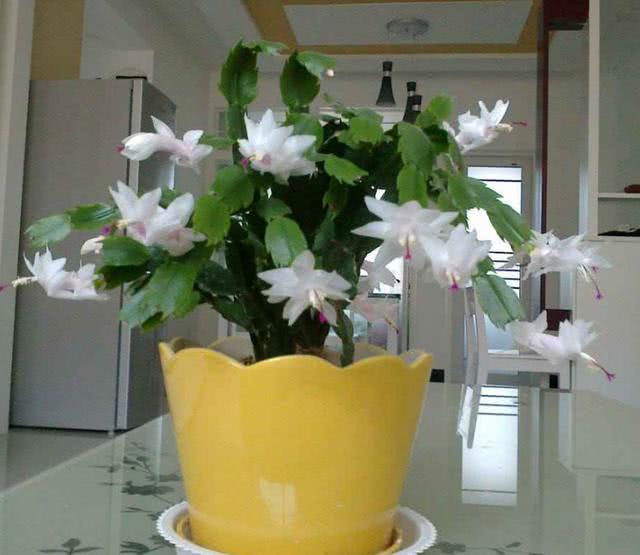
Proper fertilizer and water management before the summer dormancy period of the Christmas cactus (Schlumbergera) helps it get through the summer safely
Gardeners who often grow Christmas cactus know that it prefers a climate that is neither hot nor cold, and its most suitable growing temperature is 15°C~28°C. In the heat of midsummer, when the temperature exceeds 35°C, the Christmas cactus will stop growing and enter dormancy due to unsuitable temperature...
-
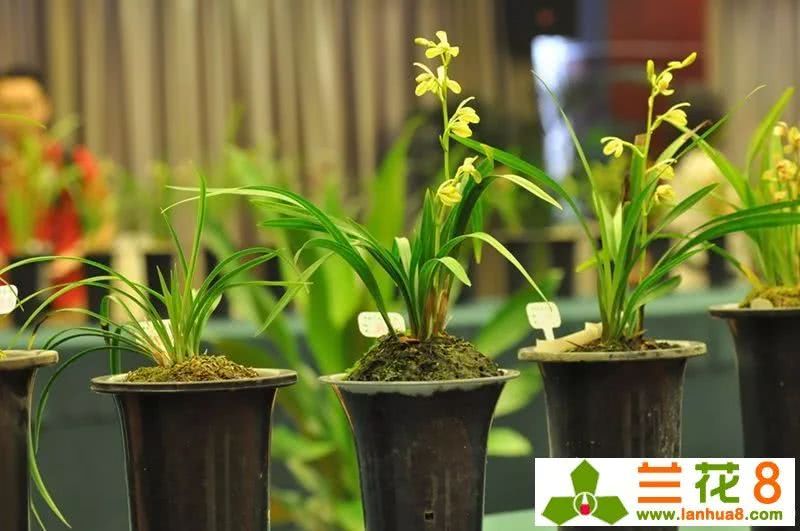
How to care for orchids in summer? A full analysis of the key maintenance and management points
Promote Chinese orchid culture, spread orchid knowledge. We can now say summer has arrived, and there is a lot online about the key points of orchid summer maintenance and management. This article is a flower lover's experience in growing orchids in summer, summarized from their own orchid-growing experience, covering ventilation...
-
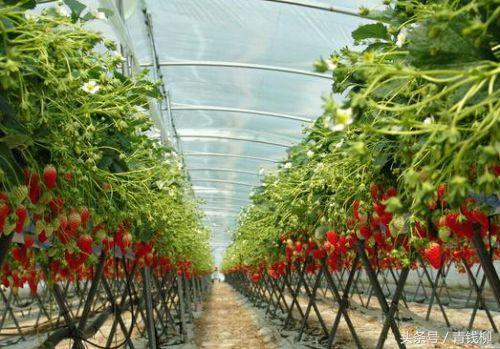
Key Technical Points and Cultivation Management Methods for Soilless Strawberry Cultivation
Strawberry Soilless Cultivation Techniques The strawberry fruit is sweet and tart, juicy, and highly nutritious, rich in vitamins and minerals, for example, every 100g of fresh strawberry fruit contains 50-100mg of vitamin C. Strawberries can be eaten fresh and can also be processed into strawberry juice, ...
-
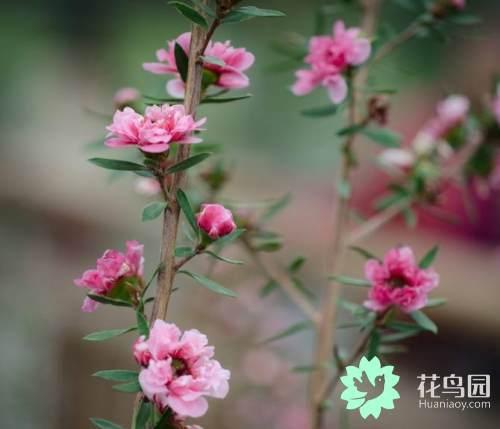
A Detailed Guide to the Planting Techniques and Management Methods for Leptospermum scoparium
More and more flower lovers are now captivated by Leptospermum scoparium; its flowers are very beautiful, semi-double, so let us learn about the cultivation methods for Leptospermum scoparium. 1 The suitable growth temperature for Leptospermum scoparium is 18°C-25°C. In winter, it is required to maintain a temperature above -1°C,...
条件筛选