Proper fertilizer and water management before the summer dormancy period of the Christmas cactus (Schlumbergera) helps it get through the summer safely
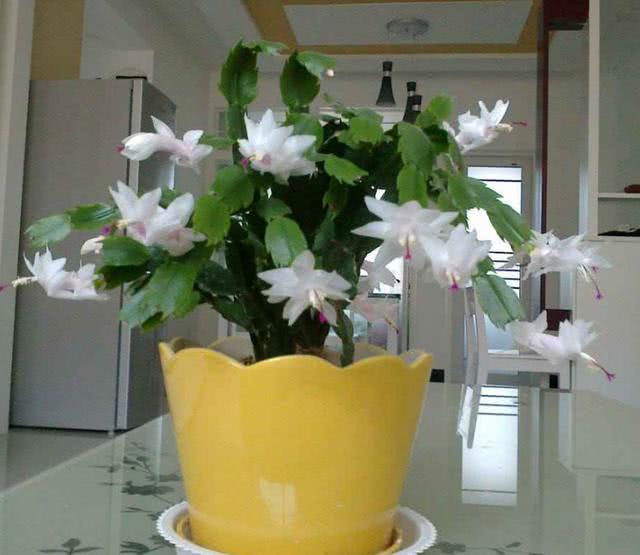
Gardeners who often grow Christmas cactus know that it prefers a climate that is neither hot nor cold, and its most suitable growing temperature is 15°C~28°C. In the heat of midsummer, when the temperature exceeds 35°C, the Christmas cactus will stop growing and enter dormancy due to unsuitable temperature, and a plant's ability to absorb water and nutrients drops greatly during dormancy, so fertilizing and watering heavily is not recommended during dormancy. Only when the temperature drops in early autumn will the Christmas cactus enter a new period of vigorous growth; timely fertilizer and water management at this time can promote bud formation and flowering in late autumn and early winter.
It is now early June, and the average daily maximum temperature in most parts of the country has reached around 30°C. At this time, carry out the last round of fertilizer and water management for the Christmas cactus before its dormancy period, so that its branches and leaves become more robust and its ability to resist disease during dormancy is enhanced; this can both help the Christmas cactus get through the summer safely and also favor the sprouting of new buds and bud formation and flowering in autumn and winter.
Generally, we fertilize plants mainly with three kinds of fertilizer: nitrogen, phosphorus and potassium. Nitrogen fertilizer promotes the growth of branches and leaves; phosphorus fertilizer promotes flowering; and potassium fertilizer can make plant stems grow more robust and enhance the plant's ability to resist disease and resist lodging. Before the midsummer dormancy period, the Christmas cactus is mainly growing branches and leaves, so it is recommended to apply a fertilizer mainly based on nitrogen, such as fermented soybean water or burying a few granules of organic quick-acting nitrogen fertilizer around the edge of the pot, to promote more vigorous growth of branches and leaves. In order to help the Christmas cactus get through the summer safely during dormancy, a small amount of phosphorus and potassium fertilizer can also be added along with the nitrogen fertilizer, making the branches and leaves grow more robust and avoiding disease problems during dormancy.
Some gardeners do not know how to judge whether a Christmas cactus has already entered its summer dormancy period. If the growing temperature around your Christmas cactus exceeds 35°C, and under conditions where water and fertilizer are not lacking, you can clearly see that the leaves of the Christmas cactus have stopped growing or even show slight shriveling or wilting, it means the plant has already entered its summer dormancy period. At this time, it should be moved promptly to a cool, ventilated place, watering should be reduced, and fertilizing should be stopped. To prevent the surrounding air from becoming too dry, you can spray water on the Christmas cactus leaves in the morning or evening to cool them down. If your Christmas cactus grows in a relatively cool environment or in an air-conditioned room, it will not go dormant in summer, and normal fertilizer and water management can be carried out.